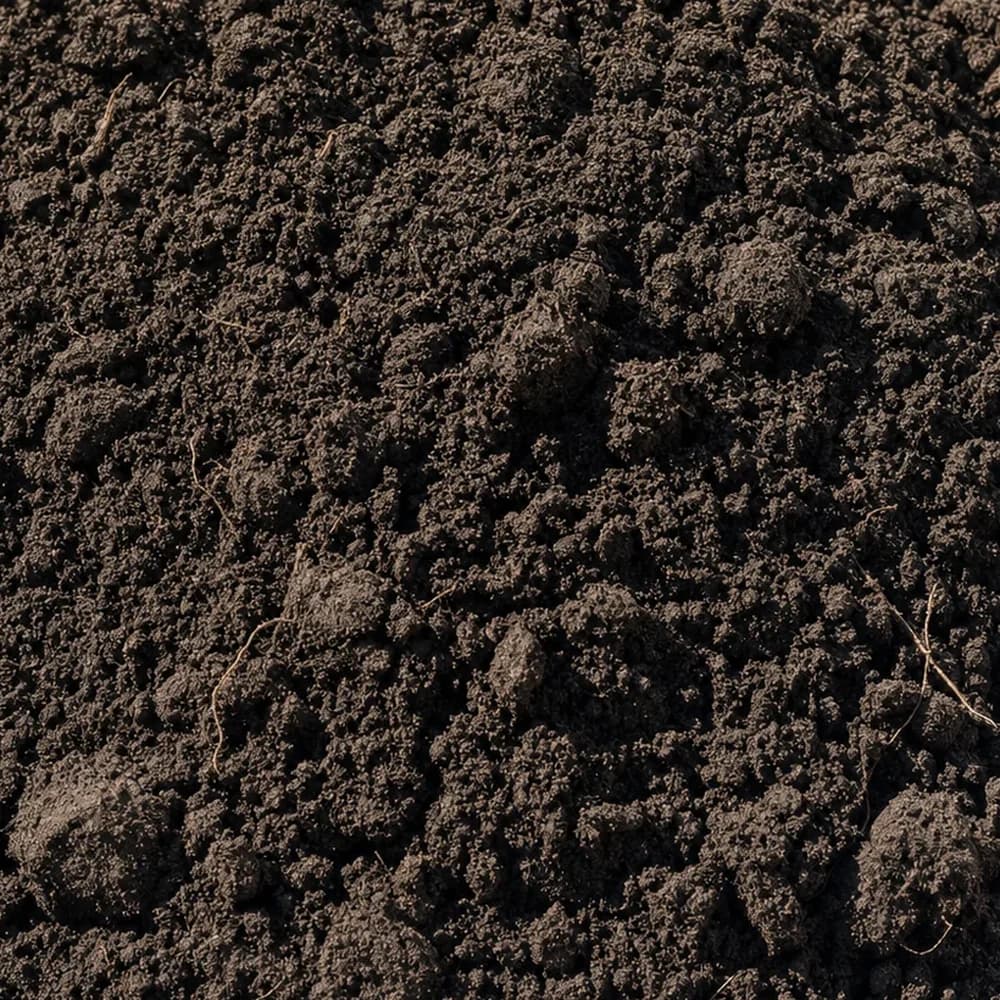
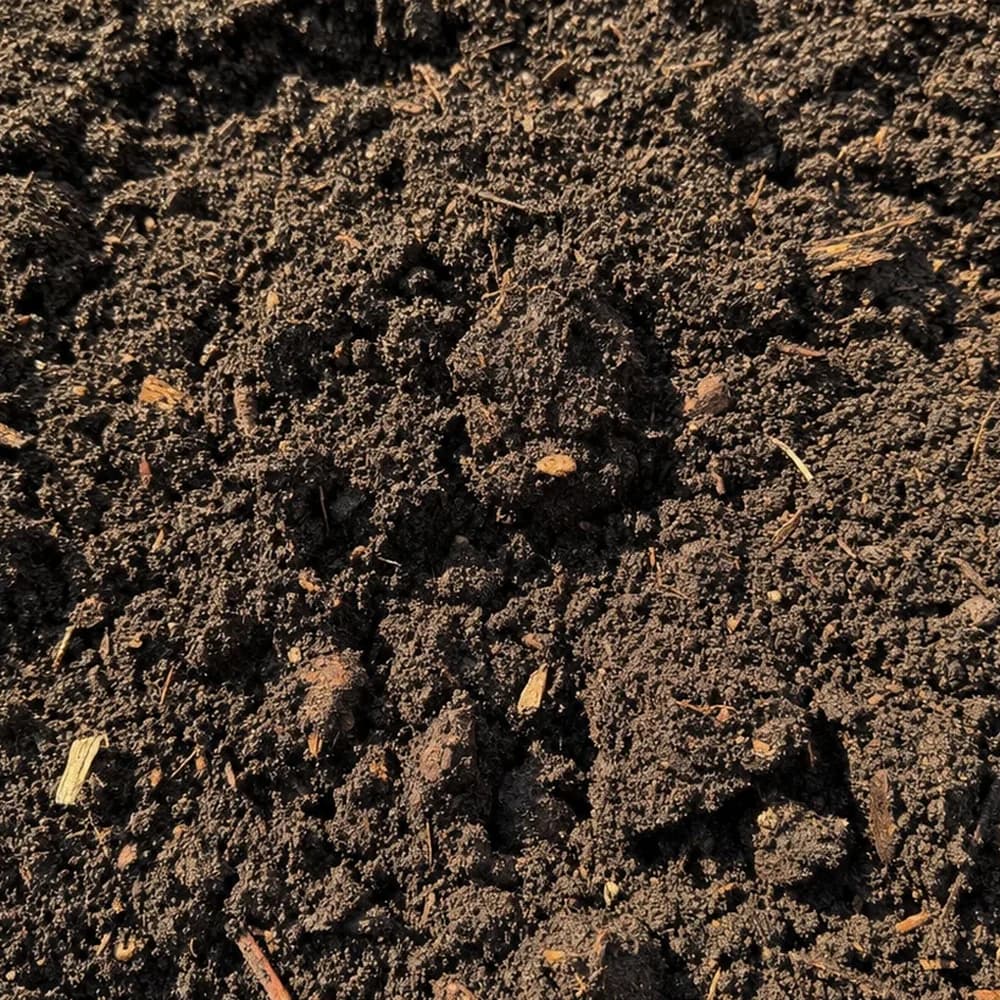
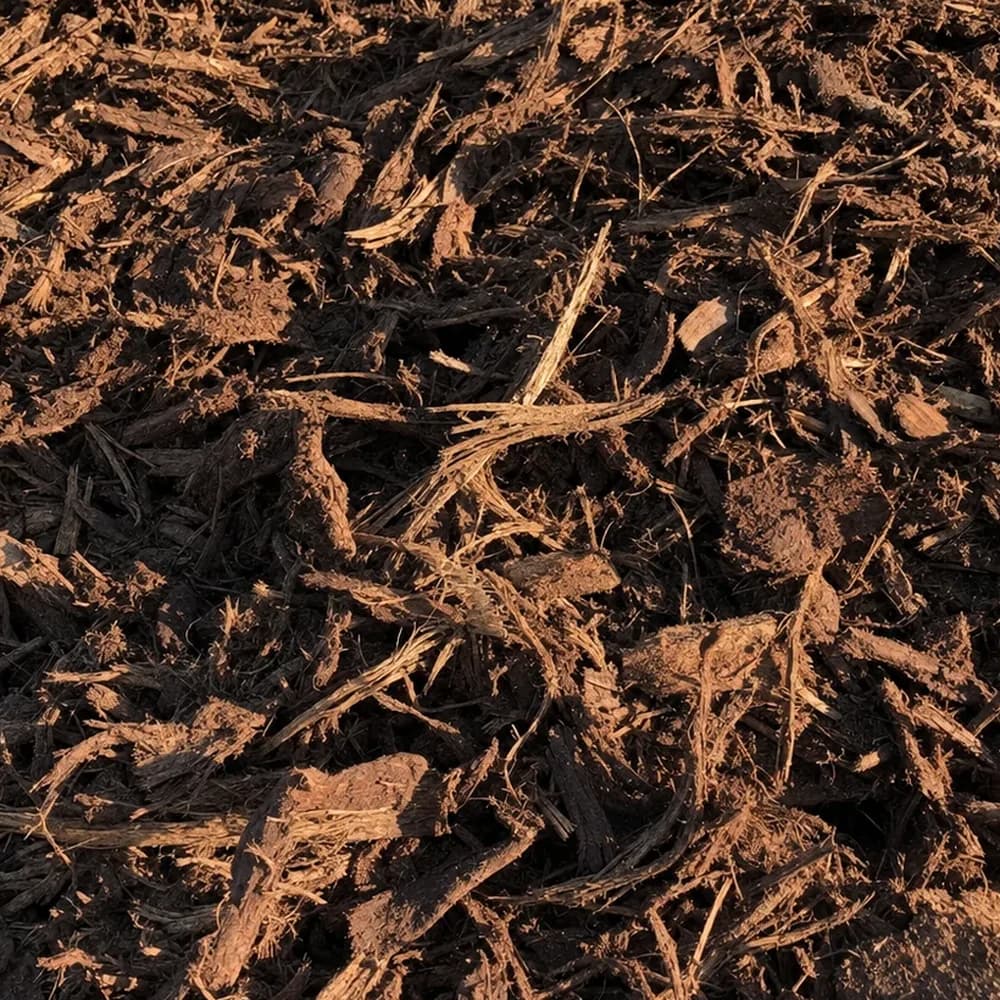
Fill Dirt for North Carolina Low Spots, Crawlspace Pads and Backfill
For North Carolina crawlspace pads and grade corrections, Fill Dirt supplies clean, compactable material for shaping the site before follow-up work begins.
- Size: Screened to remove large rocks, roots and debris
- Grading: Minimal organic matter
From $260 for 1 ton, delivery included
Larger loads cost less per ton: 2000 tons is $90,840 ($45.42 per ton). Pick any quantity below for a delivered price.
Free delivery included
Free delivery anywhere in North Carolina
Pick a delivery date
Weekday delivery, earliest Oct 20
Get a Free Quote
Fill out the form and our sales team will get back to you within the hour.
Size and Grading
- Size
- Screened to remove large rocks, roots and debris
- Grading
- Minimal organic matter
The order that puts most of this on a truck is a hollow in the back yard that holds water after every storm and has slowly killed the grass in it. Piedmont clay drains slowly enough that a shallow dip becomes a pond, the mower sinks at the edges, and no amount of seed fixes ground that is simply too low. Fill dirt is the material that raises it. It is mineral, not organic, and it is there to build shape and carry weight rather than to grow anything.
Two lines on the spec sheet, and what each one rules out
The listing is short, and both lines do real work.
| Spec | What is listed |
|---|---|
| Size | Screened to remove large rocks, roots and debris |
| Grading | Minimal organic matter |
Screened means it has been through a grid, so what arrives is consistent enough to spread and compact without hitting a stump or a piece of brick. That matters more than it sounds. A fill with debris in it leaves voids, and voids are where settlement comes from.
Minimal organic matter is the more important line. Roots, leaf litter and other organic material rot, and as they rot they shrink, so anything built on top of organic fill drops. A low-organic mineral fill has nothing in it left to decompose, which is why it belongs under structures, pads and soil layers and why it is emphatically not a planting medium. If something needs to grow in it, Top Soil goes over the top once the fill is shaped and compacted.
A turnaround pad, a foundation drain and a sunken back lawn, side by side
Three hypothetical jobs, and only two of them are fill dirt jobs at all.
| Job | Is fill dirt the answer? | What actually goes in |
|---|---|---|
| Turnaround or parking pad | Partly | Fill to raise and shape the subgrade, then a compacted base of ABC Stone and a surface over it |
| French drain along a foundation | No | Washed stone and pipe in the trench; fill dirt only to bring surrounding ground up to a grade that sheds water away |
| Low spot or yard regrade | Yes | Fill in compacted lifts to the finished contour, then a growing layer on top |
The turnaround is the case that gets half-done most often. Fill dirt sets the level and the fall, but it is soil, and soil under traffic on clay ground will rut once it gets wet. The load-carrying part of that build is stone, above the fill, not the fill itself.
The foundation drain is the one where putting dirt in the trench undoes the work. A drain needs open voids, and fill dirt has none by design. Its role around a foundation is outside the trench, raising and sloping the ground so surface water leaves the wall instead of pooling against it.
Wet clay weighs more than dry clay, and that changes the ticket
This listing is sold by weight, and weight moves with moisture. The site's own published figures put dry fill dirt at about 2,400 lb per cubic yard, which is 1.20 tons per yard, and wet fill dirt at up to 3,000 lb per cubic yard, or 1.50 tons per yard. That is a quarter more weight for the same hole filled.
The practical effect in this state is seasonal. Work runs close to year round, but after a long wet spell the ground is saturated and so is anything dug out of it. A volume worked out in cubic yards is stable; the tonnage that corresponds to it is not. Plan the job in yards, convert at the end, and if the order goes in during a wet stretch, expect the heavier end of that range.
Placing it is affected the same way. Saturated clay fill will not compact, it just displaces, which is why a base job here gets delayed by a wet week rather than by a cold one. Coastal Plain ground dries out faster and works sooner after rain, and mountain counties need the extra caution of shallow frost and real freeze and thaw, so fill placed late in the season out west should be compacted and capped before winter rather than left open.
Six inches at a time is what stops a pad settling next spring
Fill placed in one deep dump compacts at the top and stays loose underneath, and that loose layer is what finds its level six months later, usually as a dip exactly where you did not want one.
Build it in lifts, each one spread evenly, then compacted before the next goes on. A plate compactor handles a yard regrade; a jumping jack suits narrow backfill against a wall or a foundation; a roller earns its place once the area gets big. The soil wants to be damp rather than wet or dust-dry when it is compacted, which in practice means a couple of days after rain rather than the same afternoon.
Before any of it goes in, strip the organic layer out of the low spot. Grass, thatch and soft topsoil left buried under new fill are the same decomposition problem as organic fill, just concentrated in a layer. Scrape it off, then fill onto firm ground.
Cubic yards and tons for a 24 by 18 low spot and a 20 by 22 pad
Two hypothetical volumes, both worked in yards first.
A back-yard low spot, 24 feet by 18 feet, averaging 6 inches deep:
- Area: 24 x 18 = 432 square feet
- Depth: 6 / 12 = 0.5 feet
- Volume: 432 x 0.5 = 216 cubic feet
- Cubic yards: 216 / 27 = 8.0
- Tons, dry at 1.20: 8.0 x 1.20 = 9.6
- Tons, wet at 1.50: 8.0 x 1.50 = 12.0
A turnaround pad subgrade, 20 feet by 22 feet, raised 8 inches:
- Area: 20 x 22 = 440 square feet
- Depth: 8 / 12 = 0.667 feet
- Volume: 440 x 0.667 = 293 cubic feet
- Cubic yards: 293 / 27 = 10.9
- Tons, dry at 1.20: 10.9 x 1.20 = 13.1
About 18.9 cubic yards across the two. Average the depth honestly on an irregular hollow by measuring at several points rather than at the deepest one, and add a margin, because compaction removes volume and a fill job that stops half an inch short of the surrounding grade will still hold water. The dirt calculator takes up to five areas at once and adds a ten percent allowance by default for exactly this.
Where the pile should land and what has to move first
Fill dirt is heavy, it arrives in quantity, and it is the least pleasant material on the site to move twice. Pick a drop point on firm ground as close to the work as the truck can safely reach, with clear overhead space and nothing parked in the swing. Soft turf under a loaded truck in a wet week is how a delivery leaves ruts of its own.
Strip the area, mark the drop with a stake, and have the spreading equipment on site the same day if the volume is beyond wheelbarrow work. Quantity and delivery date are both set on this listing, with delivery arranged at checkout from the ZIP code you enter. For a staged fill, or a site where the truck has one narrow line in, email the dimensions and the access details and get the quantity confirmed before booking.
Quickly Calculate How Much You Need
Material: Fill Dirt
How to Measure
Measure the length and width of your project area in feet
Decide on depth in inches (2" for landscaping, 4" for driveways)
Enter the values above and we'll calculate the tonnage you need
Need help figuring out the right amount? We can help!
Call or text us at (919) 752-3797 and we'll help you calculate the right quantity for your project.
Not sure how much you need? The Dirt Calculator has depth guides, coverage charts and worked examples for this material.
Frequently Asked Questions About Fill Dirt
Fill Dirt delivery across North Carolina
- Charlotte
- Raleigh
- Greensboro
- Durham
- Winston Salem
- Fayetteville
- Cary
- Wilmington
- High Point
- Concord
- Greenville
- Asheville