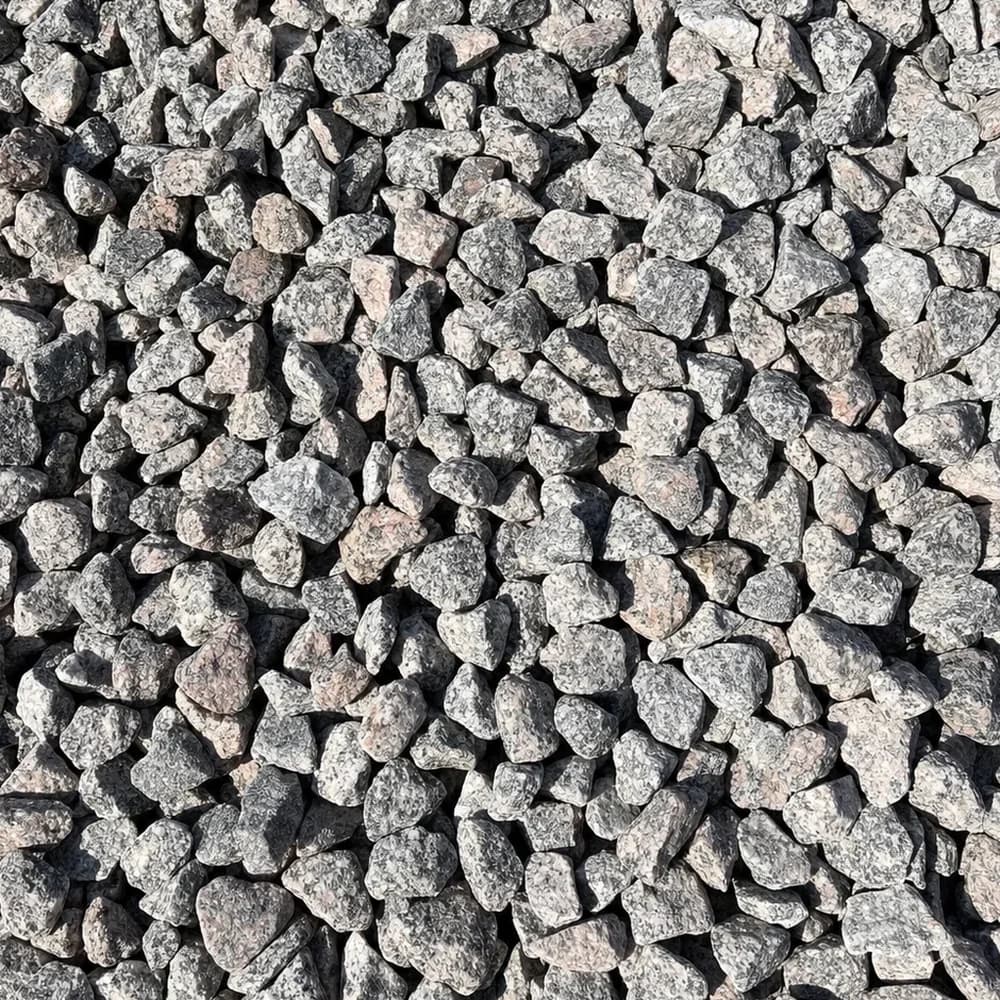
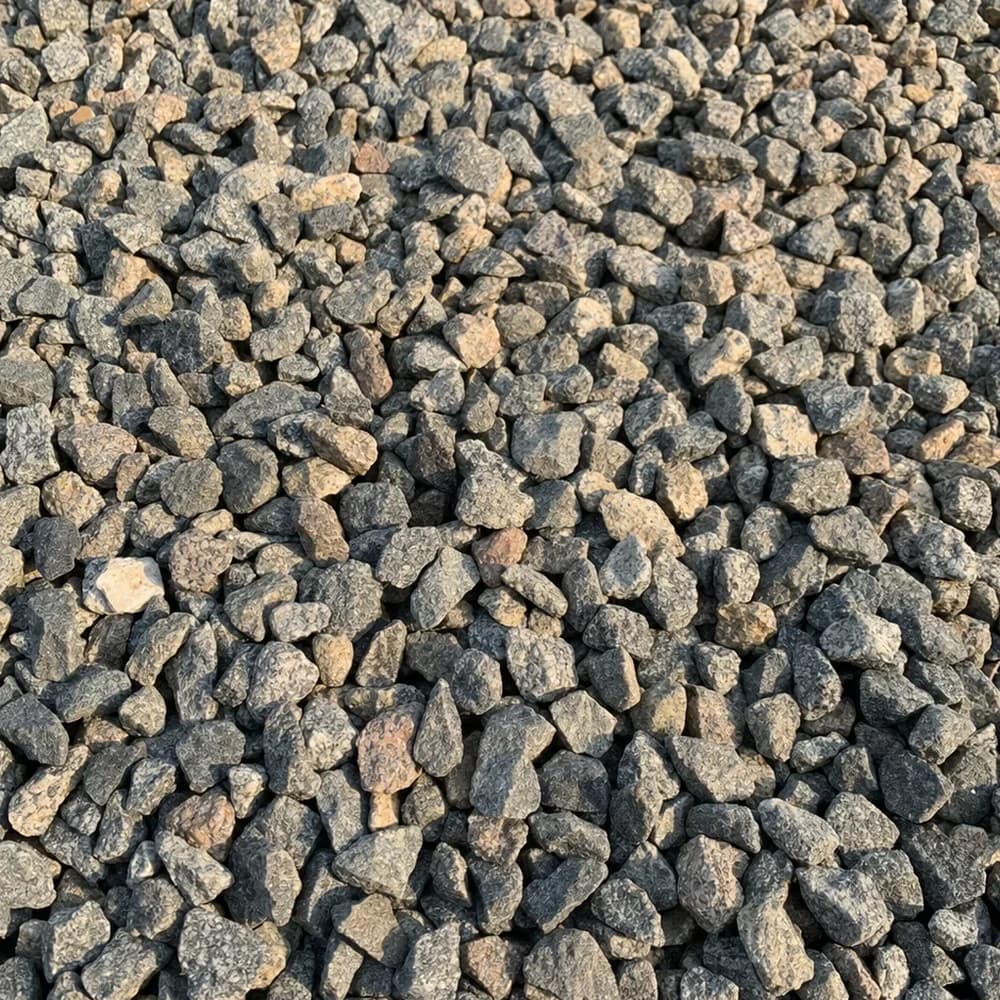
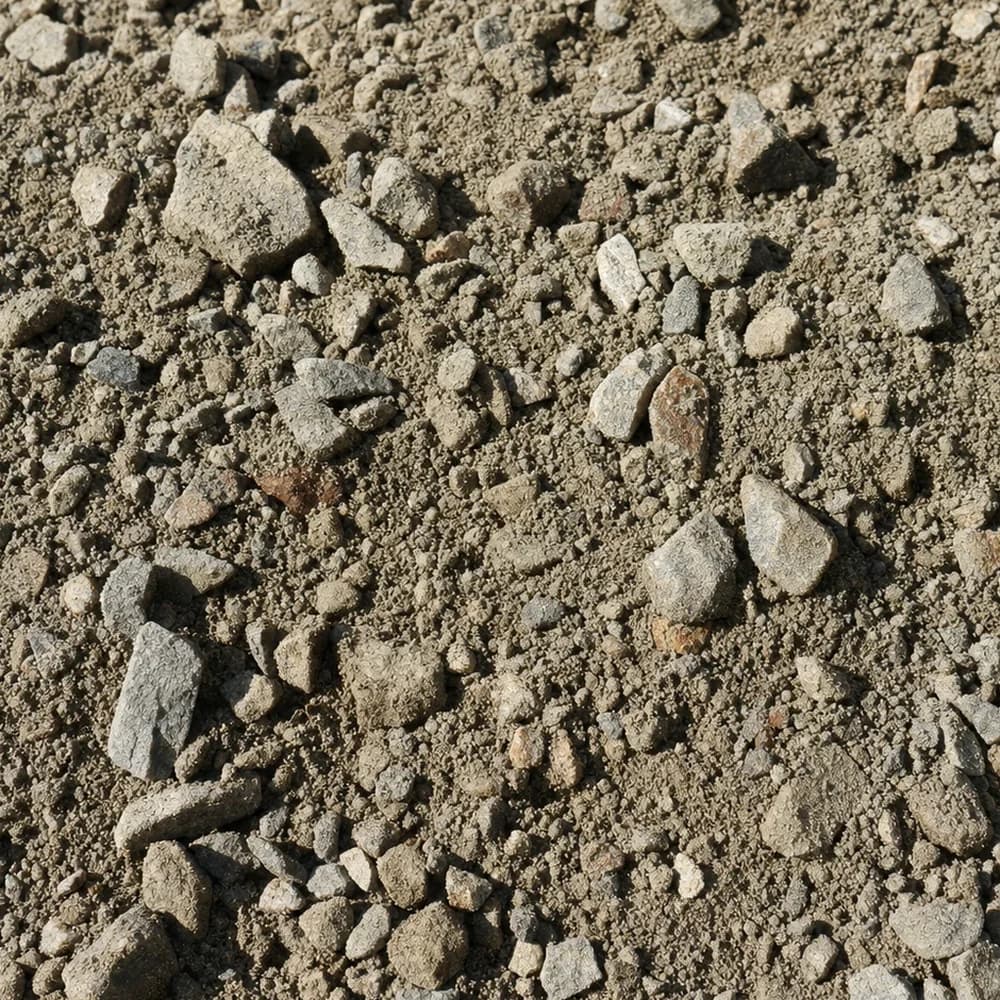
ABC Stone for North Carolina Driveways, Pads and Base Work
Also sold as Road Base
Also known as: ABC, aggregate base course, crush and run
ABC Stone gives North Carolina driveway projects a compacted foundation that helps handle vehicle traffic over red clay or sandy ground.
- Size: 3/4 inch minus
- Grading: Graded mix of crushed stone, gravel and binding fines
- Type: Crushed aggregate blend
From $386 for 1 ton, delivery included
Larger loads cost less per ton: 500 tons is $26,470 ($52.94 per ton). Pick any quantity below for a delivered price.
Free delivery included
Free delivery anywhere in North Carolina
Pick a delivery date
Weekday delivery, earliest Oct 20
Get a Free Quote
Fill out the form and our sales team will get back to you within the hour.
Size and Grading
- Size
- 3/4 inch minus
- Grading
- Graded mix of crushed stone, gravel and binding fines
- Type
- Crushed aggregate blend
Most people reach this page with half the decision already made. The lane is rutting, the parking pad dips after every storm, and what is left to settle is how deep to go and how much to order. On Piedmont red clay that second half is the part that decides whether the repair holds, because clay keeps water under load and a thin layer laid straight onto it works loose by the second wet season. ABC stone is where the decision usually lands in this state, so the rest of this page covers the grading, the jobs it belongs in, and what has to be ready when the truck turns in.
Aggregate Base Course, ABC, road base: one listing, three names
The listing here is ABC Stone, also sold as Road Base.
| Spec | What is listed |
|---|---|
| Size | 3/4 inch minus |
| Grading | Graded mix of crushed stone, gravel and binding fines |
| Type | Crushed aggregate blend |
NCDOT specifies base material as Aggregate Base Course, which is where the initials come from. In North Carolina that is simply how base stone gets named on a plan sheet or at a counter, not a certification a supplier carries.
The fines are the reason the material works. A single-size washed rock stays loose because every piece is roughly the same and nothing fills the gaps between them, so a wheel pushes the pieces apart rather than riding over them. A graded blend runs from one inch the whole way down to dust, and the small material packs into the voids left by the large material. Dampen it, roll it, and the layer knits into something that spreads a load sideways instead of punching down into the subgrade.
That is also why depth gets quoted two ways. Four inches of loose stone is not four inches of base. Spread it proud, compact it in lifts, and measure what you actually have at the end.
A turnaround, a foundation drain and a low spot: only one is a base-course job
Three jobs that turn up on the same weekend list. All three are hypothetical, and only one of them wants this material.
| The job | ABC stone? | What the job is really asking for |
|---|---|---|
| Turnaround or parking pad | Yes | Shaped subgrade, then ABC compacted in lifts, left bare or topped |
| French drain along a foundation | No | Open washed rock so water travels through the trench, such as #57 Stone |
| Low spot or yard regrade | Partly | Fill Dirt to bring the grade up, then ABC over it only where wheels will cross |
The turnaround is the straightforward one. Strip sod and soft organic material, shape the ground so water leaves rather than ponds, then place stone in lifts and compact each lift before the next.
The foundation drain is the job that gets confused most often, because both materials look like gray crushed rock in the pile. Fines are exactly what a drain does not want: they fill the voids water is supposed to move through, and on clay that turns a trench into a holding tank.
The low spot depends entirely on what crosses it afterwards. A soggy corner of lawn wants grade and then a growing layer. A soggy corner the truck reverses over wants grade and then stone.
Red clay in the Piedmont, sand on the coastal plain, steeper ground out west
Piedmont red clay drains slowly and holds water, so the compacted layer and the drainage around it do most of the work. Get water off the surface and away from the edges and the base has a chance. Leave it standing and no depth of stone will rescue the pad.
The coastal plain behaves the other way. Sandy ground sheds water quickly but brings no binder of its own, so a lane there holds together because of the fines in the stone rather than anything in the soil beneath it.
Freeze and thaw is mild across the Piedmont and the coastal plain and genuinely matters in the mountain counties, where frost also reaches deepest; statewide it stays shallow. Work here runs close to year round, and what actually delays a base job is saturated clay after a long wet spell rather than the calendar.
A 22 by 26 parking pad behind the shop, measured out
A hypothetical pad, 22 feet by 26 feet, finishing at four inches of compacted base.
- Area: 22 x 26 = 572 square feet
- Place it loose at five inches so it finishes near four: 5 / 12 = 0.417 feet
- Volume: 572 x 0.417 = 238 cubic feet
- Cubic yards: 238 / 27 = 8.8
Call it nine cubic yards and allow a little more for the edges, which always take more than the sketch suggests. This site publishes crusher run and road base at approximately 3,000 lb per cubic yard, or 1.50 tons per yard, so the measured 8.8 yards is about 13.2 tons and the rounded nine yards about 13.5, both approximate. The road base calculator will confirm the conversion. The calculator also adds a ten percent allowance by default, worth keeping on for a pad you would rather not run short on.
Clear limbs, a firm place to stand, and a staked drop point
Quantity and a delivery date are both chosen on this product page. Delivery is arranged at checkout from the ZIP code you enter, and the delivery page sets out how that side of it works.
Before the day, walk the route the truck will take. A loaded tandem needs room to turn without dropping a wheel into a soft shoulder, clearance where limbs hang low over a lane, and firm ground to stand on while the bed goes up. Stake the drop point, and stake it where you want the stone rather than where the truck can most easily reach: shifting a pile of one inch minus by wheelbarrow is a long afternoon.
If the shape is awkward or the numbers are not landing, send your measurements across and North Carolina Rock Supply will work the quantity through with you.
Quickly Calculate How Much You Need
Material: ABC Stone
How to Measure
Measure the length and width of your project area in feet
Decide on depth in inches (2" for landscaping, 4" for driveways)
Enter the values above and we'll calculate the tonnage you need
Need help figuring out the right amount? We can help!
Call or text us at (919) 752-3797 and we'll help you calculate the right quantity for your project.
Not sure how much you need? The Road Base Calculator has depth guides, coverage charts and worked examples for this material.
Frequently Asked Questions About ABC Stone
ABC Stone delivery across North Carolina
- Charlotte
- Raleigh
- Greensboro
- Durham
- Winston Salem
- Fayetteville
- Cary
- Wilmington
- High Point
- Concord
- Greenville
- Asheville