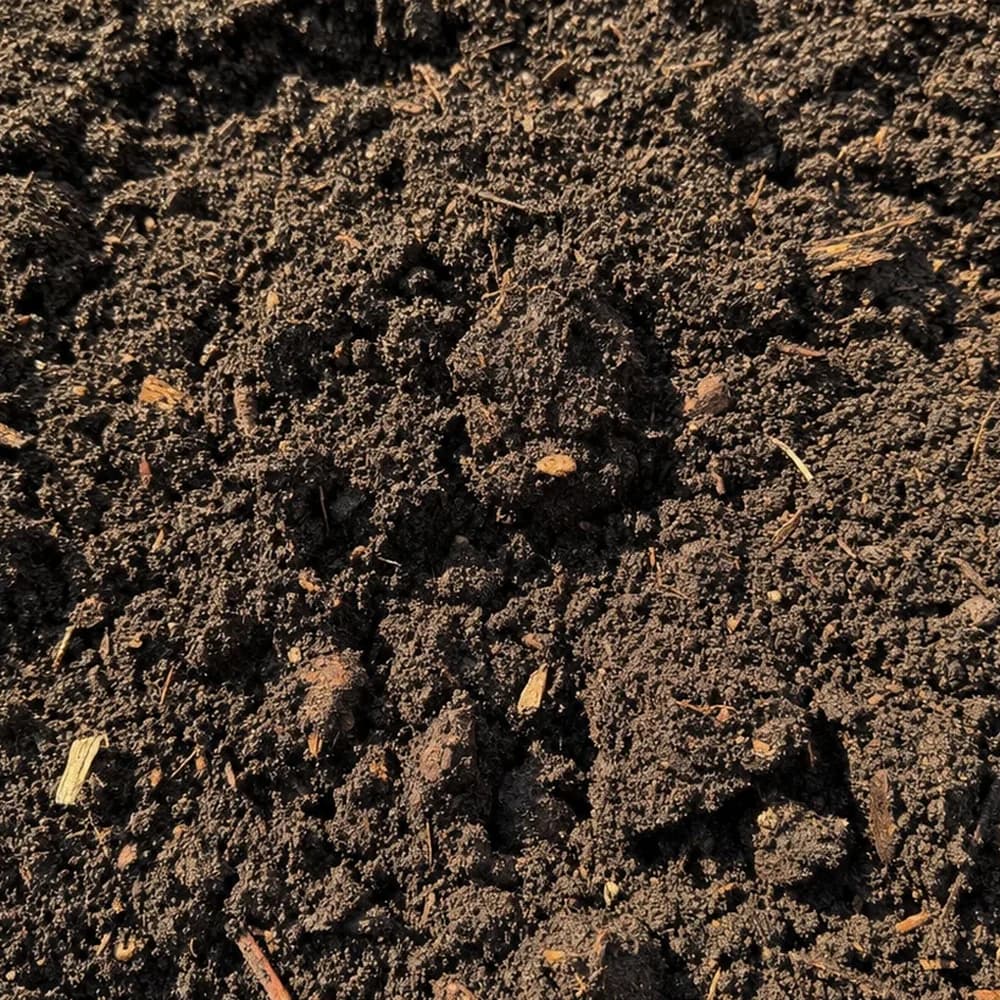
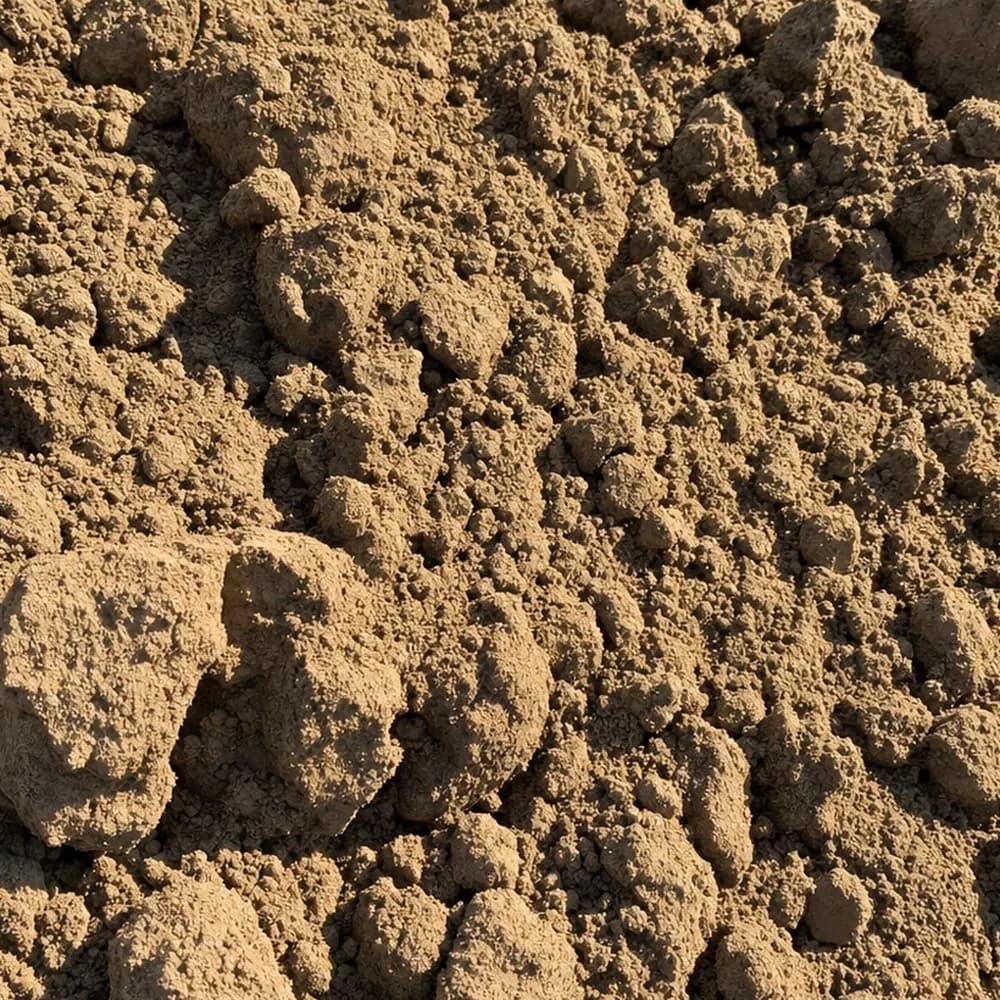
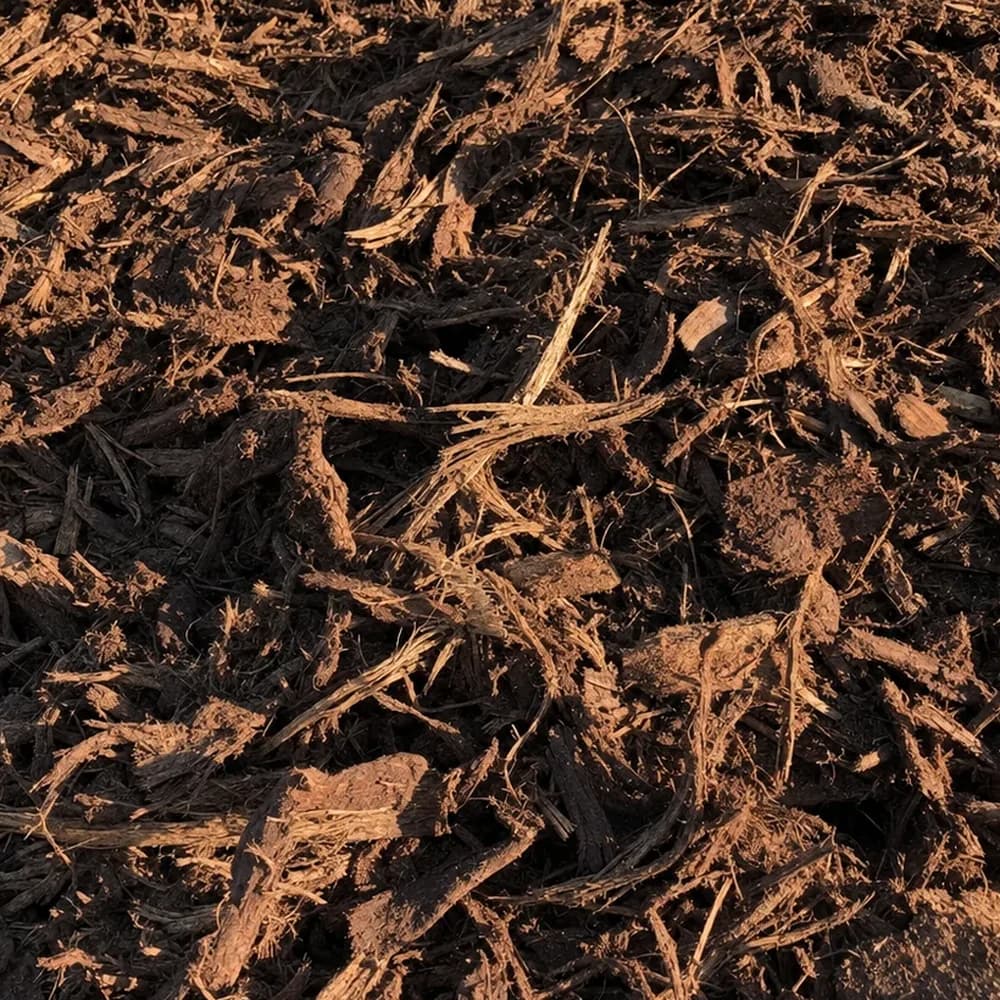
Screened Top Soil for North Carolina Lawns and Beds
For North Carolina yards dealing with Piedmont red clay, Top Soil creates a clean planting layer for lawns, gardens, and beds.
- Size: Screened; free of rocks, debris and large clumps
- Grading: Balanced sand, silt and clay
From $392 for 1 ton, delivery included
Larger loads cost less per ton: 500 tons is $34,530 ($69.06 per ton). Pick any quantity below for a delivered price.
Free delivery included
Free delivery anywhere in North Carolina
Pick a delivery date
Weekday delivery, earliest Oct 20
Get a Free Quote
Fill out the form and our sales team will get back to you within the hour.
Size and Grading
- Size
- Screened; free of rocks, debris and large clumps
- Grading
- Balanced sand, silt and clay
A finished lot in the Piedmont is usually red clay scraped flat, with whatever good soil the site had sitting in a pile somewhere or gone altogether. Seed thrown onto that surface germinates in the first warm week and then washes into the street with the first real thunderstorm, because there is nothing for a root to hold. Top soil is the layer that fixes that particular problem, and the surest way to get this order right is to be clear about the problems it does not fix.
Order top soil when you are building a growing layer
The listing is screened, free of rocks, debris and large clumps, with a balanced mix of sand, silt and clay.
That grading is the point. Sand keeps the layer open enough for water to move and roots to push through, silt and clay hold onto moisture and nutrients between rains. Screening takes out the stones and root fragments that make raking and seeding slow, so the material spreads to an even depth instead of leaving high spots where a clod landed.
Choose it when the job is: a new lawn over scraped ground, thin or bare patches in an established lawn, planting beds being built up, filling and leveling a stump hole or a shallow low spot that is going back to grass, or blending into native ground around new trees and shrubs.
Skip it at a culvert outlet, in a rock garden and under a shed pad
Three hypothetical jobs where ordering this by mistake costs a weekend.
A culvert outlet or ditch lining is the worst of them. Loose screened soil placed where water leaves a pipe is gone with the first storm, and it takes the bank with it. Armor that spot with RipRap and leave the soil for ground that stays still.
A xeriscape or rock garden bed wants the opposite of what this material offers. The plants in a dry, gravel-mulched bed are there because they dislike sitting in moisture, and a rich layer that holds water works against them. Set those beds into leaner native ground and cover with River Rock.
A shed or garage pad must not see any of it. Screened soil is compressible and organic, so a pad built over it settles unevenly no matter how carefully the structure is leveled. Strip it off the footprint entirely, bring the grade up with Fill Dirt if the level is short, and build the pad on compacted stone.
New lawns, bare patches and filled stump holes, in that order of difficulty
A new lawn is the largest job and the most forgiving. Rough-grade the clay first so the finished surface drains the way you want, break the glazed crust left by machinery, then spread and rake. Grass sends roots down into the layer you give it, so a thin skim is worse than none at all in the long run.
Bare and thin patches are a different exercise. There the object is to cover seed and even out the surface without smothering the grass that is already growing, so the layer goes on thin and gets worked in with the back of a rake.
A filled stump hole is the one that tricks people. Ground where a stump was ground out keeps settling for a year or more as the remaining chips break down, so it will need topping again. Fill the bulk of the depth with Fill Dirt and keep this material for the last few inches where the seed goes.
A surface layer over shaped ground, not the thing holding the grade
The distinction worth holding onto: this material is a surface course, and something else establishes the levels beneath it.
Red clay holds water, and a generous layer of loose soil dropped into a hollow in clay behaves like a basin with no outlet. The water arrives, fills the soil, and stays there until it evaporates, which drowns roots and turns the spot to mush after every storm. Shape the clay first so the finished grade sheds water to somewhere it can leave, then spread the growing layer at an even depth across it. Fixing drainage is not this product's job; sitting on drainage that already works is.
Three inches over a 30 by 45 back yard, in cubic yards
A hypothetical back lawn, 30 feet by 45 feet, being built up three inches before seeding.
- Area: 30 x 45 = 1,350 square feet
- Depth: 3 / 12 = 0.25 feet
- Volume: 1,350 x 0.25 = 337.5 cubic feet
- Cubic yards: 337.5 / 27 = 12.5
Twelve and a half cubic yards, and worth ordering a little over rather than under, since a second small load for the last strip is a poor use of a Saturday. This site publishes screened topsoil at approximately 2,200 lb per cubic yard, or 1.10 tons per yard, so 12.5 x 1.10 works out at roughly 13.8 tons, and that figure is approximate rather than weighed. The topsoil calculator will do the same conversion for a yard that is not a neat rectangle.
Quantity and delivery date are chosen together on this page, with delivery arranged at checkout from your ZIP code. Pick a drop spot on the drive or a hard edge rather than the lawn itself, and see how delivery is set up before the day.
Quickly Calculate How Much You Need
Material: Top Soil
How to Measure
Measure the length and width of your project area in feet
Decide on depth in inches (2" for landscaping, 4" for driveways)
Enter the values above and we'll calculate the tonnage you need
Need help figuring out the right amount? We can help!
Call or text us at (919) 752-3797 and we'll help you calculate the right quantity for your project.
Not sure how much you need? The Topsoil Calculator has depth guides, coverage charts and worked examples for this material.
Frequently Asked Questions About Top Soil
Top Soil delivery across North Carolina
- Charlotte
- Raleigh
- Greensboro
- Durham
- Winston Salem
- Fayetteville
- Cary
- Wilmington
- High Point
- Concord
- Greenville
- Asheville