Garden Soil for Raised Beds and Borders in North Carolina
North Carolina's Piedmont clay can hold water around roots. Garden Soil adds compost-enriched growing material for beds, vegetables, flowers, and raised planters.
- Size: Nutrient-enriched soil blend
- Grading: Enhanced with organic compost
From $488 for 1 ton, delivery included
Larger loads cost less per ton: 500 tons is $42,160 ($84.32 per ton). Pick any quantity below for a delivered price.
Free delivery included
Free delivery anywhere in North Carolina
Pick a delivery date
Weekday delivery, earliest Oct 20
Get a Free Quote
Fill out the form and our sales team will get back to you within the hour.
Size and Grading
- Size
- Nutrient-enriched soil blend
- Grading
- Enhanced with organic compost
Two products on this site will fill a raised bed and the choice between them decides how the first season goes. Garden soil is the blended, compost-enriched one meant for growing in directly. Topsoil is screened native ground, cheaper per yard to move and better underneath. Get that decision right and most of the rest of a bed-building project is arithmetic.
Garden soil or topsoil: what the beds are actually for
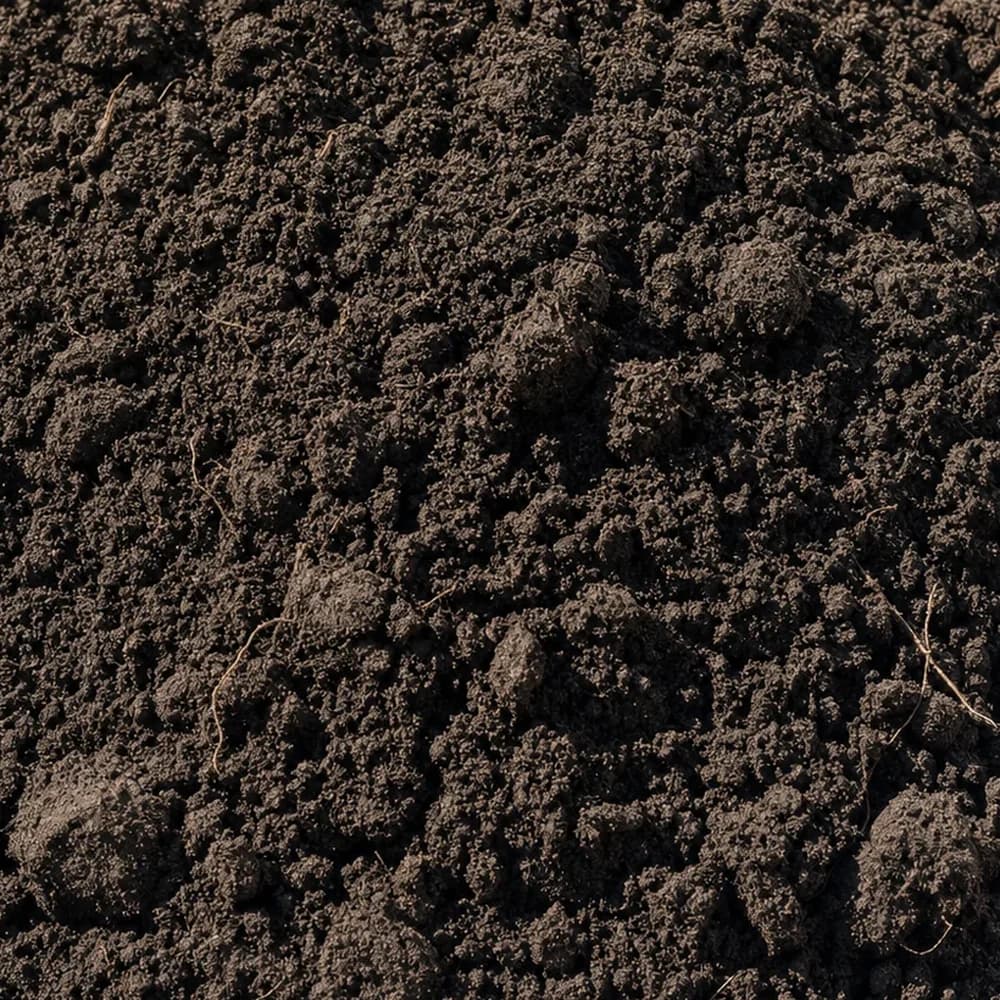
The listing is Garden Soil, described as a nutrient-enriched soil blend, enhanced with organic compost.
| Garden Soil | Top Soil | Fill Dirt | |
|---|---|---|---|
| What it is | Blended growing medium with compost through it | Screened native soil | Subsoil for bulk volume |
| Where it belongs | The top layer plants root into | Lawn prep, bed base, leveling | Building grade under everything |
| Weight per cubic yard | About 2,000 lb | About 2,200 lb | About 2,400 lb |
A deep raised bed does not need to be garden soil all the way down. Roots on most vegetables work the top eight to twelve inches hard and use what is below far less. Filling the bottom third with screened topsoil and the top two thirds with the blend costs less and grows the same crop. A shallow bed, a planter or a border being topped up is a different case, since the whole depth is root zone.
Late winter and early autumn are when beds go in here
Work runs close to year round in this state. The limit on soil is not frost, which is shallow statewide, but water: saturated clay after a long wet spell is what stops a job, because walking on it and tipping soil onto it destroys the structure you are trying to build.
Two windows do most of the work. Late winter into early spring is when beds get filled ahead of a spring planting, and the trick is landing the load in a dry stretch rather than on the calendar date you picked. Early autumn is the quieter and often better window, with garlic, cover crops and perennials going in, and the soil having months to settle and weather before it is asked to grow anything.
The mountain counties run later on both ends. Everywhere else, if the ground is workable and nothing is forecast for a few days, it is a reasonable week to order.
Getting red clay ready to take a blended soil
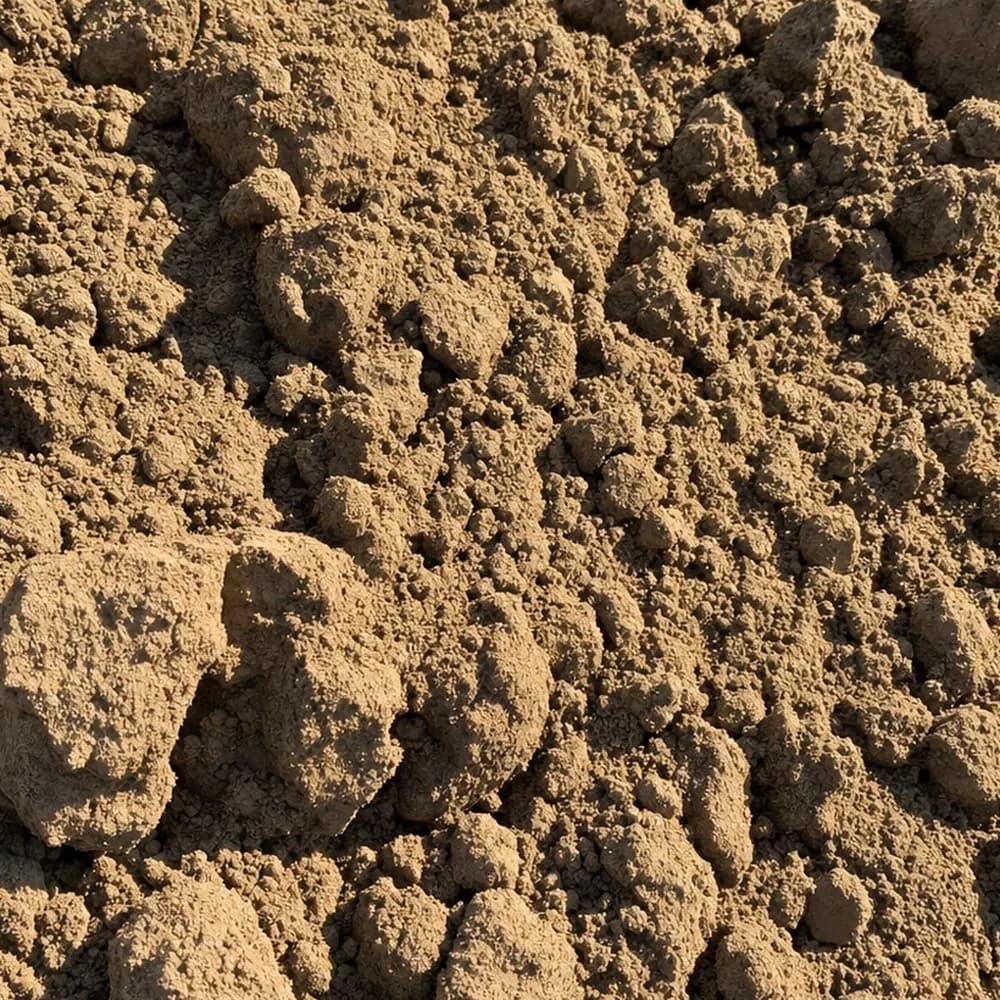
The Piedmont problem is an interface. Dump loose blended soil onto untouched clay and you create a bathtub: water drains down through the good material, hits the clay, and sits there around the roots.
Break the clay surface before anything goes on it. A fork, a broadfork or a rototiller passed over the base of the bed lets the two layers knit instead of stacking, and root systems will follow that boundary down rather than turning sideways at it. Where a bed sits in a spot that visibly ponds, the bed frame needs to be raised higher, or the water routed away before the soil arrives.
Do not line the base of a raised bed with plastic. Cardboard or a few layers of newspaper to kill grass is fine, and rots away. Anything waterproof holds the bathtub in place permanently.
On sandy Coastal Plain ground the problem inverts. Water leaves too fast, and the compost fraction in a blend is what holds moisture near the roots long enough to be useful.
The two jobs on this list that are not soil jobs
Worth saying clearly, since both get ordered as soil and then fail.
A flagstone walkway needs a bed that stays exactly where it is put, and soil is the one material certain not to. It compresses unevenly, holds water, and every slab set into it moves within a season. Set flagstone into Screenings over a compacted base.
A playground surface has to cushion a fall and drain after rain. Soil does neither: it packs hard under running feet and turns to mud in a week of storms. The usual surfacing here is 3/8" Natural Pea Gravel over a drained base, or an engineered wood product the site does not carry.
Raised vegetable beds are the job on the list this product is actually for, along with flower borders, planters and topping up beds that have subsided over a couple of seasons.
Cubic yards for four 4 by 8 beds and a 200 square foot border
A hypothetical back garden being set up in one go.
Four raised beds, each 4 feet by 8 feet, filled to 10 inches:
- Area: 4 x 8 x 4 beds = 128 square feet
- Depth: 10 / 12 = 0.833 feet
- Volume: 128 x 0.833 = 107 cubic feet
- Cubic yards: 107 / 27 = 4.0
A border of 200 square feet topped at 4 inches:
- Area: 200 square feet
- Depth: 4 / 12 = 0.333 feet
- Volume: 200 x 0.333 = 67 cubic feet
- Cubic yards: 67 / 27 = 2.5
That is 6.5 cubic yards. This site publishes blended garden soil at approximately 2,000 lb per cubic yard, which is 1.00 ton per yard, so 6.5 yards and 6.5 tons are the same number here. Use the soil calculator for beds that are not rectangles, and keep the five percent it adds by default if you would rather have a wheelbarrow spare than come up short.
Quantity and delivery date go in together on this page, with delivery arranged at checkout from your ZIP code. Have the beds built and the drop point chosen before the load arrives, because soil is the one material that has to be moved the day it lands if the weather turns. What the truck needs on arrival is set out separately.
Quickly Calculate How Much You Need
Material: Garden Soil
How to Measure
Measure the length and width of your project area in feet
Decide on depth in inches (2" for landscaping, 4" for driveways)
Enter the values above and we'll calculate the tonnage you need
Need help figuring out the right amount? We can help!
Call or text us at (919) 752-3797 and we'll help you calculate the right quantity for your project.
Not sure how much you need? The Soil Calculator has depth guides, coverage charts and worked examples for this material.
Frequently Asked Questions About Garden Soil
Garden Soil delivery across North Carolina
- Charlotte
- Raleigh
- Greensboro
- Durham
- Winston Salem
- Fayetteville
- Cary
- Wilmington
- High Point
- Concord
- Greenville
- Asheville