RipRap for North Carolina Slopes, Outlets and Banks
For North Carolina erosion work, RipRap goes where runoff first starts cutting soil. Its heavy stone protects slopes, channels, banks, and culvert outlets.
- Size: 4 inches to 12 inches and up
- Type: Large, heavy stone
From $437 for 1 ton, delivery included
Larger loads cost less per ton: 500 tons is $32,535 ($65.07 per ton). Pick any quantity below for a delivered price.
Free delivery included
Free delivery anywhere in North Carolina
Pick a delivery date
Weekday delivery, earliest Oct 20
Get a Free Quote
Fill out the form and our sales team will get back to you within the hour.
Size and Grading
- Size
- 4 inches to 12 inches and up
- Type
- Large, heavy stone
Erosion on a red-clay slope never starts in the middle of it. It starts at the lip where a pipe lets go, at the toe of a bank where a stream pulls sideways during high water, at the one spot where a storm concentrates half an acre of runoff into a channel eighteen inches wide. Find that spot after a tropical system has come through and it is obvious: bare clay, undercut turf, and a fan of orange soil downstream of it. Riprap is the material that goes there, and the sizing, the layer under it and the quantity are what decide whether it stays.
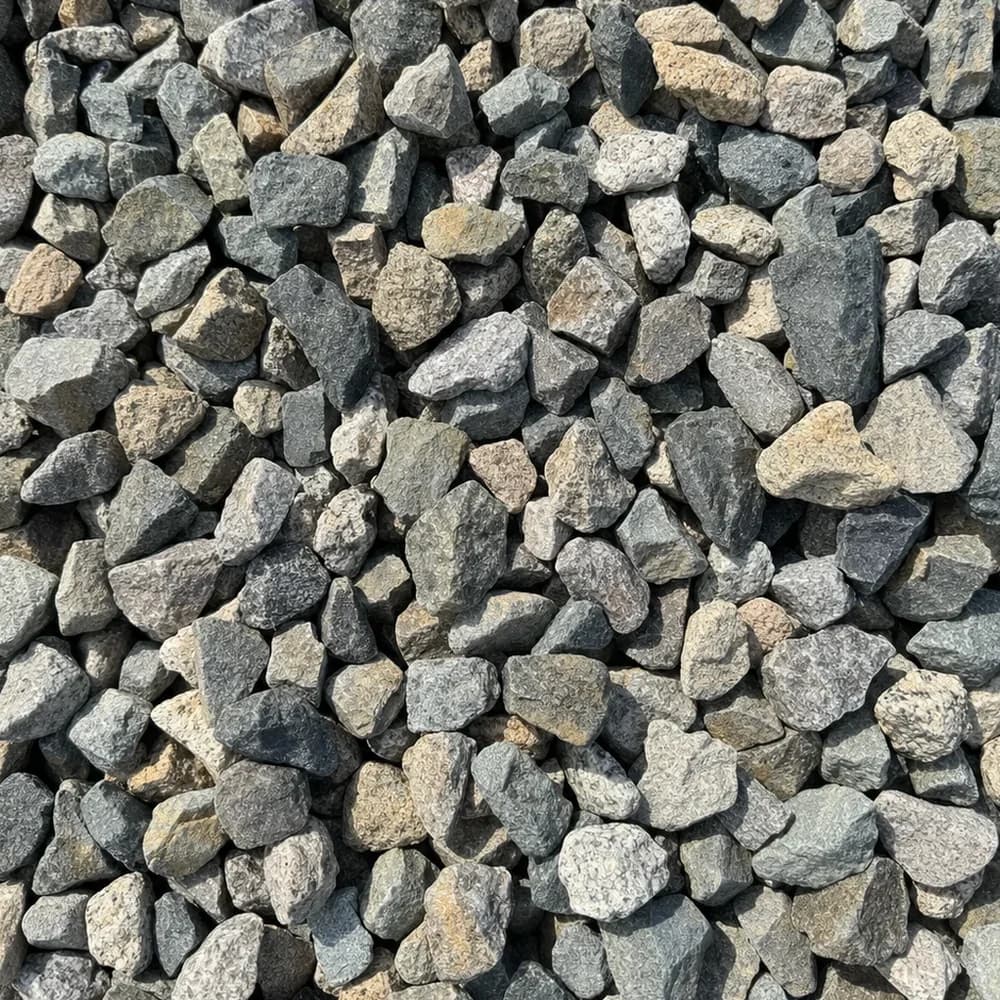
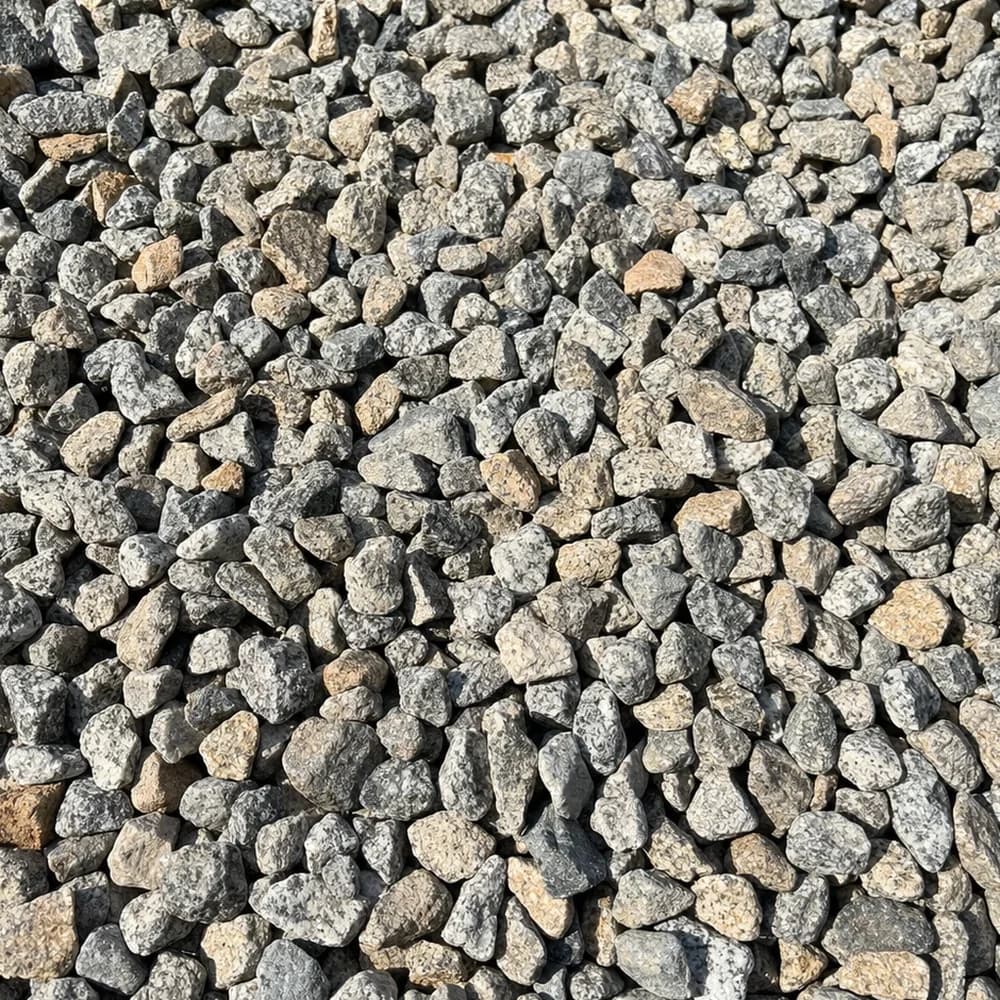
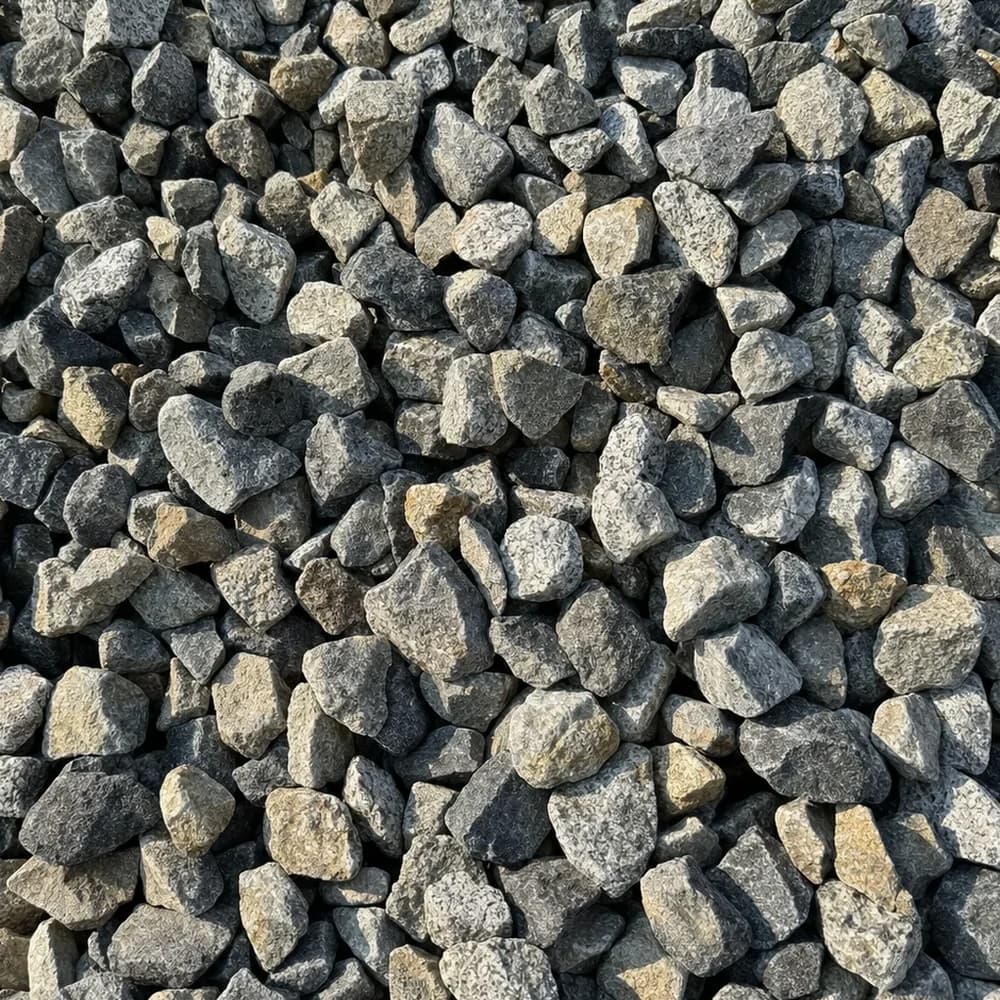
Mixed blocks from four inches up, and how a placed face reads
| Spec | What is listed |
|---|---|
| Size | 4 inches to 12 inches and up |
| Type | Large, heavy stone |
A load does not arrive as one size. It arrives as a range, and that range is what makes it work: the larger blocks carry the weight of moving water, the smaller pieces wedge into the gaps and stop the large ones rocking. Placed well, a face looks deliberately irregular, with stones keyed against their neighbors and no straight seams for water to follow. Placed badly, it looks like a pile with gaps you can see daylight through, and those gaps are where the first storm starts pulling soil out from underneath.
Color and texture depend on what comes in, and the surface weathers and settles in over a couple of seasons as plants take hold in the joints. It is never a tidy material, which is part of the reason it suits a bank rather than a front yard.
Culvert outlets, ditch lining, stream banks and shoreline after a storm
Four places it does real work in this state.
At a culvert or pipe outlet, water leaves under pressure and lands on whatever is there. An apron of heavy stone takes that energy and spreads it, so the flow slows before it reaches soil.
Along a ditch or drainage channel, it resists scour where the grade steepens or the channel bends and water crowds the outside of the turn.
On a stream bank or a shoreline, it armors the toe, which is the part that undercuts first and takes the slope above it down when it goes.
On a slope, it holds a steep face where grass has failed and runoff keeps finding the same line. Storm runoff on clay slopes, stream banks and the coastal shoreline after tropical weather is where the repair work concentrates here, and the Piedmont and Blue Ridge see the steepest versions of it.
Three jobs that will be ruined by putting riprap on them
All three are hypothetical, all three come up, and none of them wants stone this size.
An RV or boat parking pad needs a flat surface that spreads a load and can be driven on. Four to twelve inch blocks will not compact, they will not sit level, and a jack or a trailer tongue will find every void. Build that pad on ABC Stone and top it.
A long rural lane has the same problem stretched out over a few hundred feet. Large loose stone rolls under tires, works to the edges, and is punishing to grade. The lane wants a graded blend with fines in it.
A garden path is the clearest no of all. Nobody walks comfortably on stone that size, and there is no arrangement of it that produces a level tread. Walkway Gravel is the listing for that job.
Class A, Class B, and how thick the course has to be
NCDOT specifies riprap by class, which is why a plan or an engineer's note will call for Class A or Class B rather than a dimension. That is the local specification language, not a grading this storefront certifies against. What is listed here is RipRap at 4 inches to 12 inches and up, so if a permit or a plan names a class, check the stone you are ordering against what that class calls for before the load is booked.
Thickness follows stone size rather than a fixed number. The one rule that holds everywhere: no stone should sit on soil as a single layer with nothing beside or behind it, because a single course has nothing to key into and water gets under it. A face deep enough that stones interlock in more than one plane is what stays put. Where a plan states a thickness, that figure wins over anything estimated from a photo.
Bottom, sides and toe: yards for a 30-foot ditch section
A hypothetical ditch section, 30 feet long, with a 4-foot bottom and two side slopes each measuring about 3 feet up the face, armored a foot thick.
Bottom:
- Area: 4 x 30 = 120 square feet
- Volume at 1 foot thick: 120 cubic feet
- Cubic yards: 120 / 27 = 4.4
Both side faces:
- Area: 3 x 30 = 90 square feet per side, x 2 = 180 square feet
- Volume at 1 foot thick: 180 cubic feet
- Cubic yards: 180 / 27 = 6.7
Total: about 11 cubic yards, before the toe trench at the bottom edge and the keyed-in ends, which always take more than the drawing shows. This site publishes riprap and armor stone at approximately 3,100 lb per cubic yard, or 1.55 tons per yard, so 11 x 1.55 puts that section at roughly 17 tons before the toe and the ends, and the figure is approximate. Take the yardage to the rip rap calculator if you want it checked, and remember the calculator wants the layer thickness in inches.
The layer between the stone and the clay
Stone placed directly on red clay has a short life, because moving water pulls fine soil up through the voids until the blocks settle, tilt and come loose. A geotextile filter fabric under the stone, or a graded filter layer of smaller rock such as #4 Crushed Stone, keeps the soil where it is while letting water pass.
Order the filter layer with the stone rather than after it. Set the quantity and the delivery date together on this page; delivery is arranged at checkout by ZIP code, and the delivery page explains what the truck needs on site. For a bank job that is usually the nearest firm standing to the work, since heavy stone is worth dropping once.
Quickly Calculate How Much You Need
Material: RipRap
How to Measure
Measure the length and width of your project area in feet
Decide on depth in inches (2" for landscaping, 4" for driveways)
Enter the values above and we'll calculate the tonnage you need
Need help figuring out the right amount? We can help!
Call or text us at (919) 752-3797 and we'll help you calculate the right quantity for your project.
Not sure how much you need? The Rip Rap Calculator has depth guides, coverage charts and worked examples for this material.
Frequently Asked Questions About RipRap
RipRap delivery across North Carolina
- Charlotte
- Raleigh
- Greensboro
- Durham
- Winston Salem
- Fayetteville
- Cary
- Wilmington
- High Point
- Concord
- Greenville
- Asheville