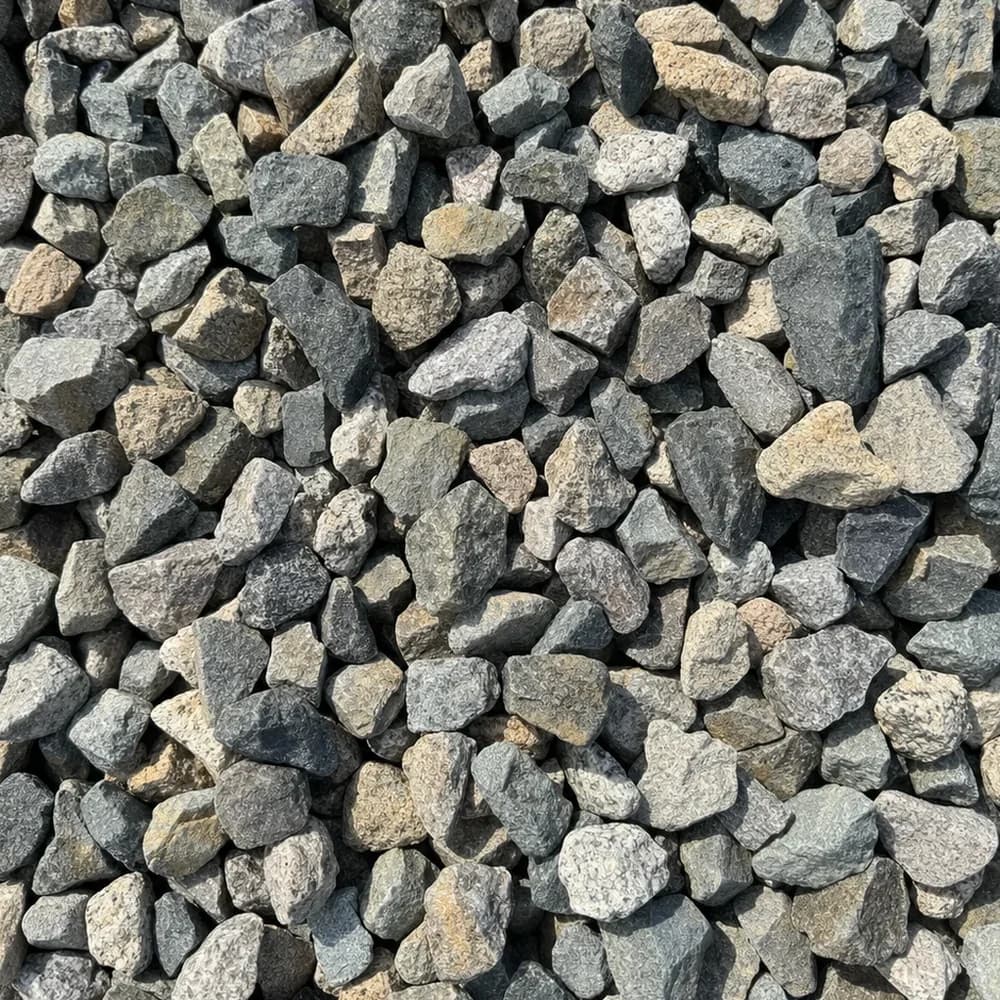
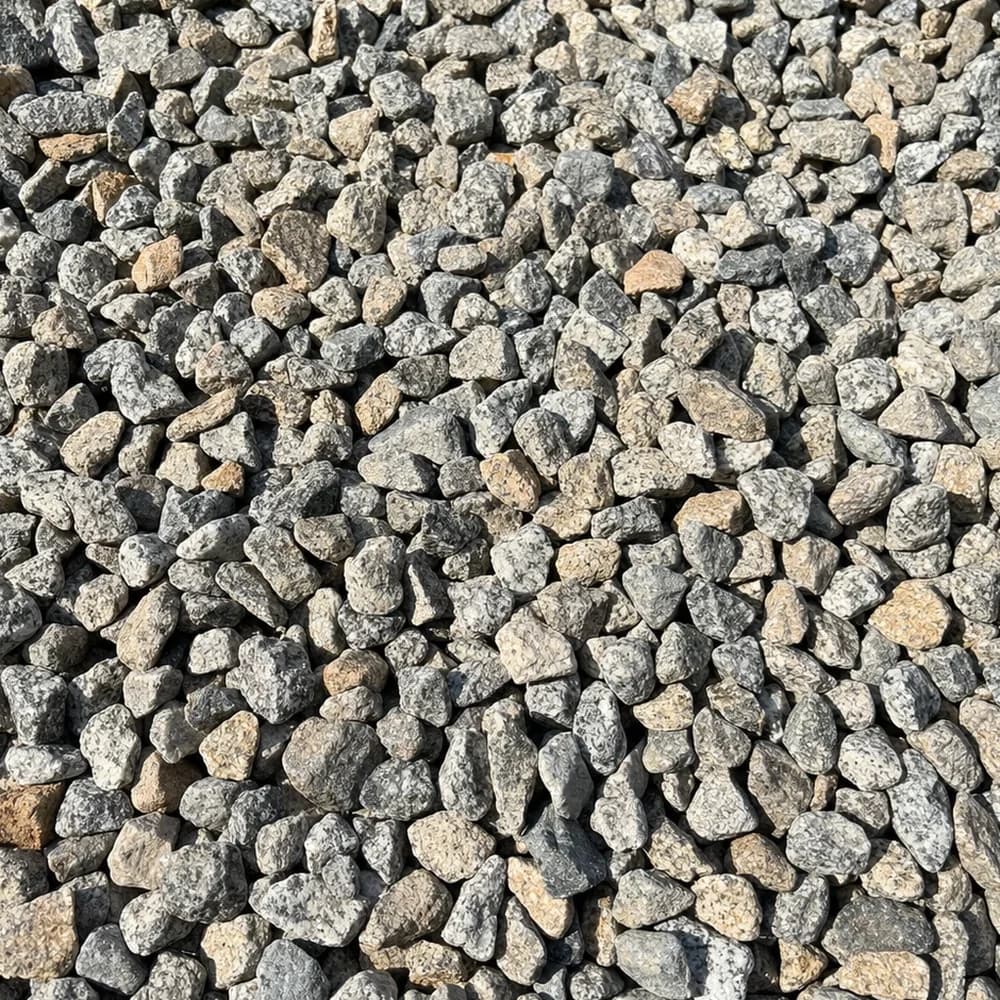
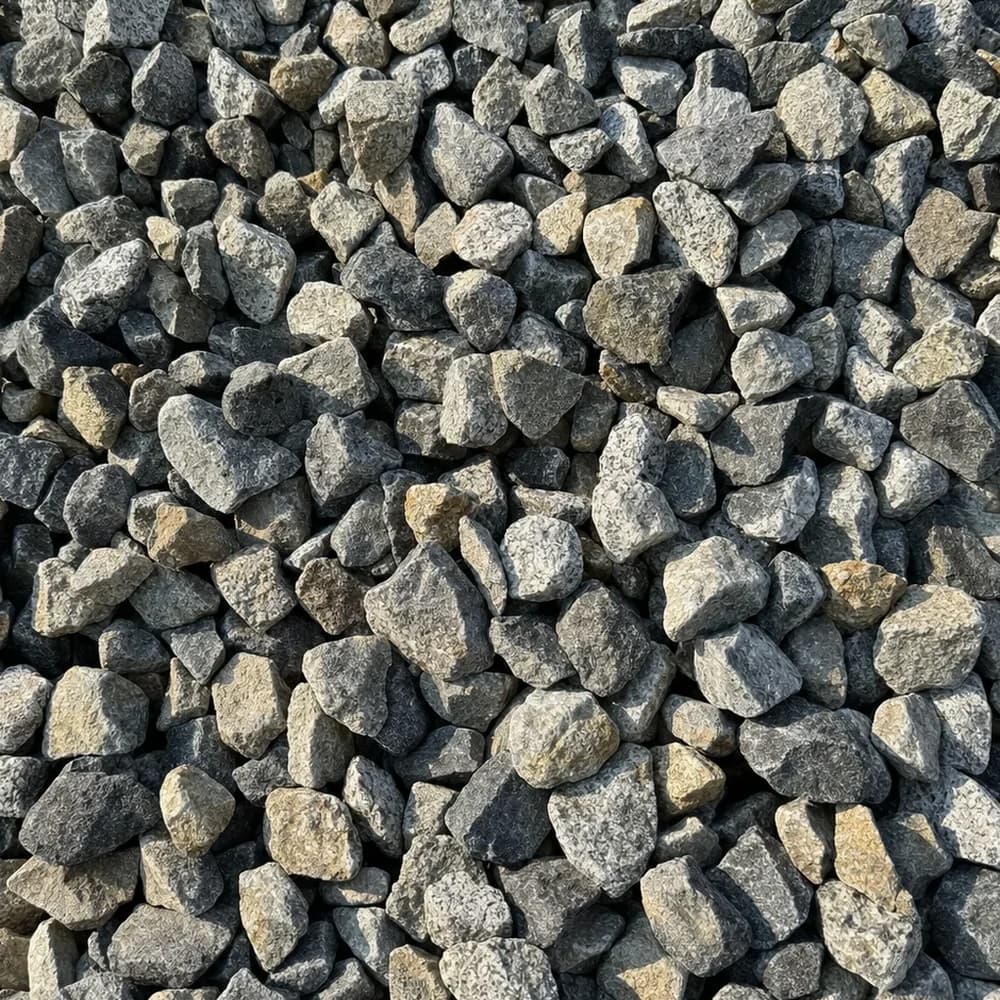
#8 Crushed Stone for Permeable Paving and Pipe Bedding in North Carolina
#8 Crushed Stone helps North Carolina projects move water through red clay while providing clean aggregate for pavers and concrete mixes.
- Size: About 3/32 inch to 3/8 inch
- Grading: #8, clean with little to no fines
- Type: Crushed stone
From $463 for 1 ton, delivery included
Larger loads cost less per ton: 500 tons is $34,195 ($68.39 per ton). Pick any quantity below for a delivered price.
Free delivery included
Free delivery anywhere in North Carolina
Pick a delivery date
Weekday delivery, earliest Oct 20
Get a Free Quote
Fill out the form and our sales team will get back to you within the hour.
Size and Grading
- Size
- About 3/32 inch to 3/8 inch
- Grading
- #8, clean with little to no fines
- Type
- Crushed stone
Most orders for this size in the Piedmont follow a job that has already been built once and failed to drain. A permeable apron that sheets water toward the garage door instead of taking it in. A pipe bedded in material that carried fines, which packed around the haunches and went to mud the first wet winter. A side yard that holds a puddle for three days after a two-inch storm. #8 crushed stone is the small clean size those jobs wanted at the start, and the whole argument for it is that there is nothing in the bag of rock to plug the gaps between the pieces.
| Spec | What is listed |
|---|---|
| Size | About 3/32 inch to 3/8 inch |
| Grading | #8, clean with little to no fines |
| Type | Crushed stone |
Permeable pavers over red clay, and the layer that does the draining
A permeable paver system is a stack, and this stone shows up in two places in it: swept into the joint openings between units, and placed in the bedding course underneath where the installation plan calls for it. The joints are the intake. If they seal, the surface behaves like any other paved slab and the water goes wherever the slope sends it.
Red clay across the Piedmont drains slowly and holds water, which is exactly why permeable systems get specified here and also why they are unforgiving. Under a driveway apron in Charlotte metro or a courtyard in the Triad, the clay beneath is not going to take water quickly, so the storage happens inside the open stone layers rather than in the ground. Every fine particle that migrates into those voids is storage lost. That is the whole maintenance story, and it starts on install day.
On Coastal Plain ground the arithmetic changes. Sand takes water away on its own, so the open layer is doing less storage and more of a bedding job, and the depth called for in the plan is usually the shallower end of the range.
What no fines means once the clay underneath is saturated
Fines are the dust and sand-sized particles that fill the spaces between stones. A material that carries them packs into a dense layer under a plate compactor, which is what a driveway base wants. A material washed clean of them keeps its voids open under load, which is what a drain, a pipe surround or a permeable joint wants. One layer is built to hold weight, the other is built to hold water. Ordering the wrong one is the single most expensive mistake on this page.
Because there is nothing binding it, a layer of #8 sits where you place it and barely consolidates. What you spread is close to what you get, which makes depth easy to plan and makes the material useless as a finished surface anyone drives on. A car tire pushes the pieces apart instead of riding on them.
A hot tub pad, a side-yard dog run and a soggy patch of new lawn
Three hypothetical jobs on one property, each using the stone a little differently.
The hot tub pad is the clearest case. A tub full of water is a concentrated load on ground that holds moisture, so the bed under the slab or the frame has to drain and stay put. A lift of clean small stone under the pad gives water a route out from under the structure rather than letting it sit against it. The finished surface goes above; this is the layer nobody sees.
The side-yard dog run is the opposite priority: the reason to use clean stone is that it rinses. Fines are what turn a run into red slurry after a storm, and there are none here to turn. The stone is a touch coarse underfoot at 3/8 inch, so if comfort matters more than drainage, 3/8" Crushed Stone is the finer surface in the same family.
New lawn prep is not a job for this material at all, with one exception. Seed needs a growing layer, and that is Top Soil over shaped ground. The exception is the wet corner every new lawn seems to have, where a short trench of pipe surrounded by clean stone takes the water off before the seed goes down. Put the stone in the trench, not across the lawn.
#8 against #89, and against the #57 in the next trench
Three listings within touching distance of each other, and the differences that decide the order:
| Listing | Size | Fines | What the layer does |
|---|---|---|---|
| #8 Crushed Stone | 3/32 to 3/8 inch | clean, little to none | Stays open, passes water, will not bind |
| #89 Crushed Stone | 3/8 inch down to fines | carries some fines | Locks tight, seats flagstone, seals up |
| #57 Stone | 3/16 to 1 inch | washed | Larger voids, coarse to shovel into a narrow joint |
Read that table top to bottom and the choice usually makes itself. If water has to move through the layer, the #89 is out no matter how good it looks going in. If the layer has to hold a paver still, the clean sizes are out. And if the space is narrow, such as a pipe haunch or a joint opening, the 3/8 inch top size gets into places a #57 will bridge over and leave hollow.
Tons for an 8 by 8 hot tub pad and a 5 by 30 dog run
Both figures are hypothetical, and both use this site's published weight for the #89, #8 and 3/8 inch chip family, which is about 2,800 lb per cubic yard, or 1.40 tons per yard. Treat it as approximate.
A hot tub pad, 8 feet by 8 feet, with a 6-inch stone bed:
- Area: 8 x 8 = 64 square feet
- Depth: 6 / 12 = 0.5 feet
- Volume: 64 x 0.5 = 32 cubic feet
- Cubic yards: 32 / 27 = 1.19
- Tons: 1.19 x 1.40 = 1.7
A dog run, 5 feet wide by 30 feet long, at 3 inches:
- Area: 5 x 30 = 150 square feet
- Depth: 3 / 12 = 0.25 feet
- Volume: 150 x 0.25 = 37.5 cubic feet
- Cubic yards: 37.5 / 27 = 1.39
- Tons: 1.39 x 1.40 = 1.9
Between them, about 2.6 cubic yards and 3.6 tons. Put both areas through the stone calculator if you would rather it did the adding, and keep the extra allowance it adds by default on the trench work, where topping up later means opening the trench again. Quantity and delivery date are both set here on the listing, with delivery arranged at checkout from the ZIP code you enter. Clean stone wants a firm drop spot and a clear line for the truck, since it will not be sitting in a neat cone for long.
Quickly Calculate How Much You Need
Material: #8 Crushed Stone
How to Measure
Measure the length and width of your project area in feet
Decide on depth in inches (2" for landscaping, 4" for driveways)
Enter the values above and we'll calculate the tonnage you need
Need help figuring out the right amount? We can help!
Call or text us at (919) 752-3797 and we'll help you calculate the right quantity for your project.
Not sure how much you need? The Stone Calculator has depth guides, coverage charts and worked examples for this material.
Frequently Asked Questions About #8 Crushed Stone
#8 Crushed Stone delivery across North Carolina
- Charlotte
- Raleigh
- Greensboro
- Durham
- Winston Salem
- Fayetteville
- Cary
- Wilmington
- High Point
- Concord
- Greenville
- Asheville