3/8" Crushed Stone for North Carolina Paths, Patios and Drive Tops
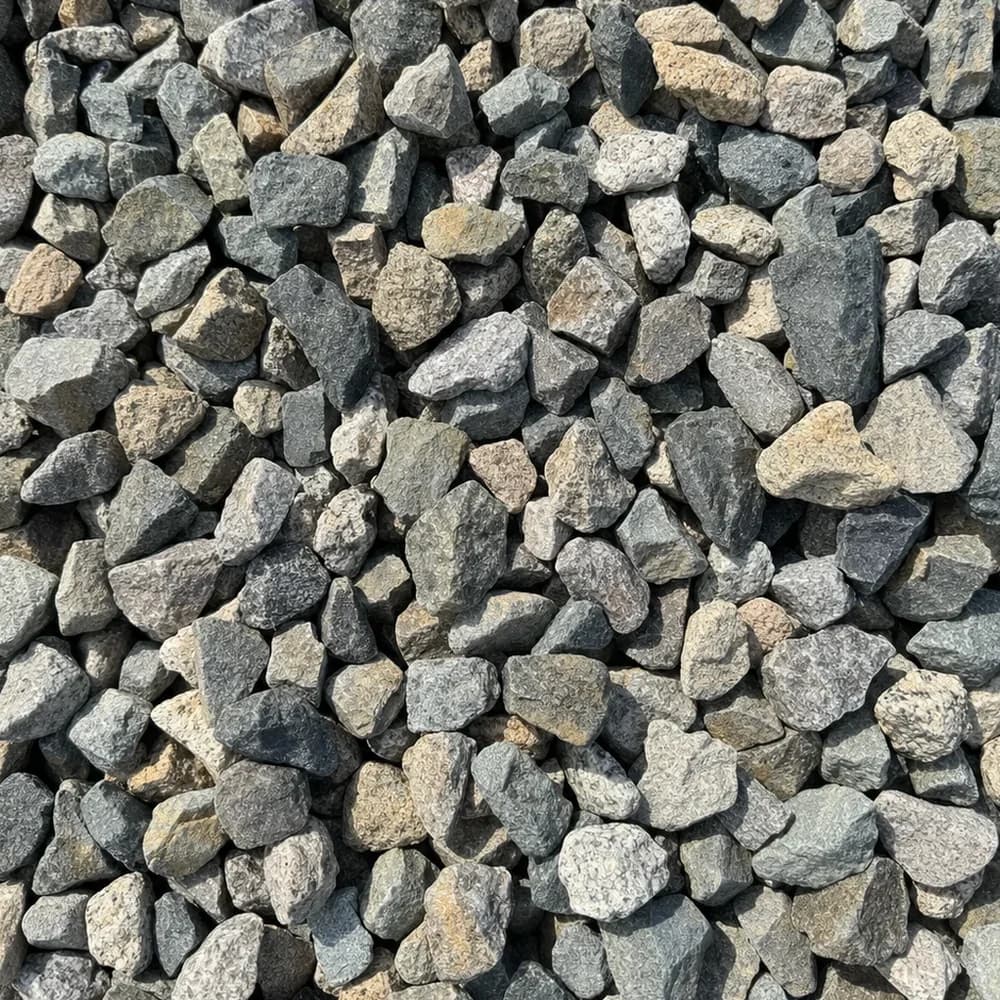
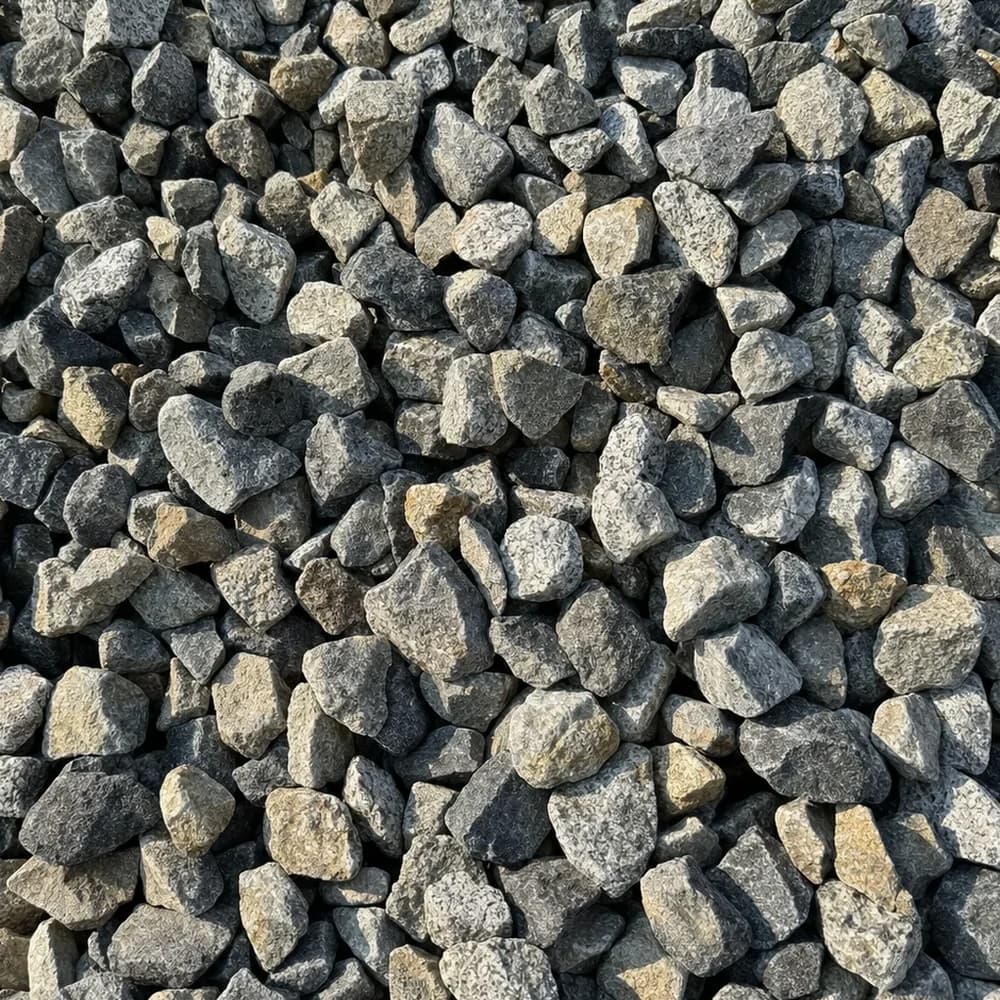
For a North Carolina Piedmont garden path, 3/8" Crushed Stone provides a smooth, compacted surface that stays comfortable underfoot.
- Size: Approximately 3/8 inch
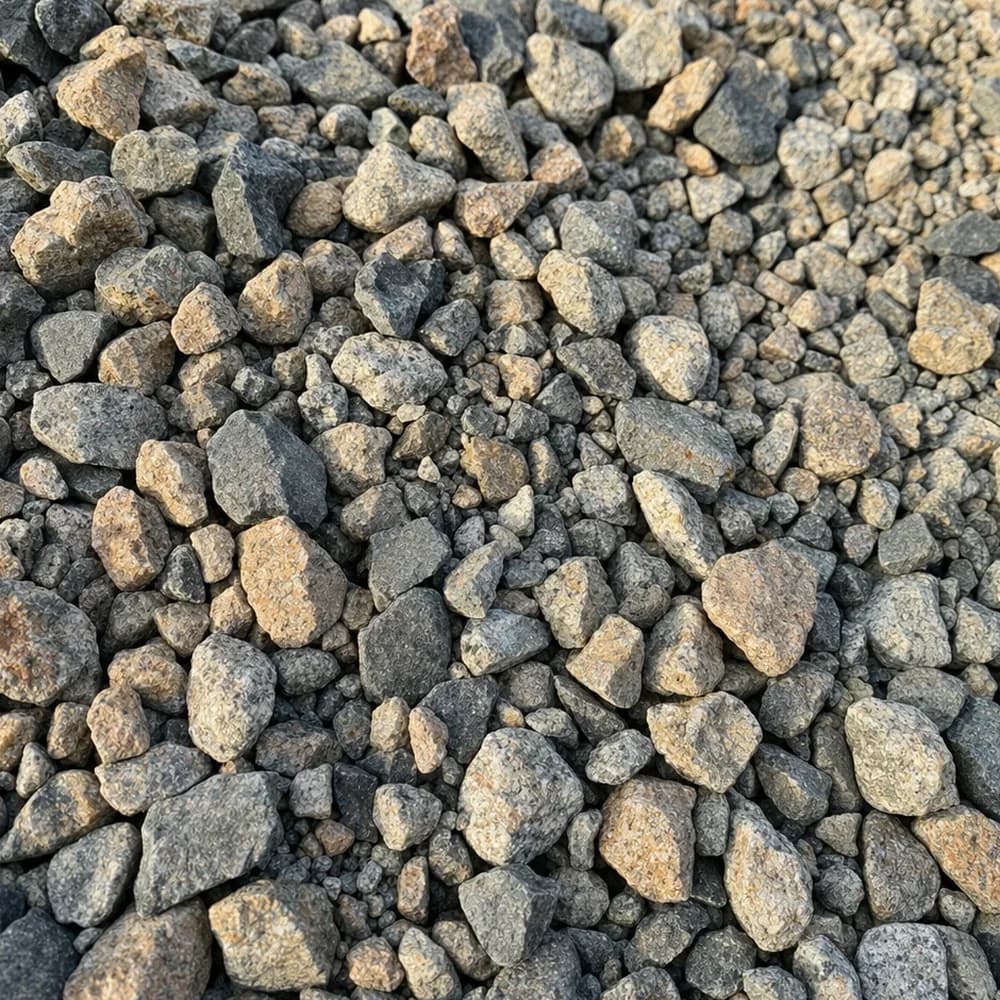
- Type: Angular crushed stone
From $409 for 1 ton, delivery included
Larger loads cost less per ton: 500 tons is $31,175 ($62.35 per ton). Pick any quantity below for a delivered price.
Free delivery included
Free delivery anywhere in North Carolina
Pick a delivery date
Weekday delivery, earliest Oct 20
Get a Free Quote
Fill out the form and our sales team will get back to you within the hour.
Size and Grading
- Size
- Approximately 3/8 inch
- Type
- Angular crushed stone
The week to do this job in the Piedmont is a dry one, and the reason has nothing to do with frost. Work here runs close to year round, but a surface course is only ever as good as the layer beneath it, and saturated red clay will not take a compactor. What delays a path or a drive top in this state is a long wet spell, not a cold snap. Wait until the base has given back its water and firmed up under a boot heel, then spread 3/8" crushed stone over it and get the plate across it the same day.
| Spec | What is listed |
|---|---|
| Size | Approximately 3/8 inch |
| Type | Angular crushed stone |
The side-yard dog run that turns to red slick after every storm
The commonest reason a load of this goes on a truck is a strip of ground that has stopped being lawn. A run beside the garage, a shortcut the dogs take to the gate, a track worn between the house and a shed. Grass gave up on it, the clay took over, and now it is slick for two days after every thunderstorm and tracked through the house on paws and boots.
At roughly 3/8 inch the pieces are small enough to walk on without rolling and angular enough to knit together under compaction, which is exactly the combination that strip needs. Water passes through the surface instead of standing on it, and the fractured faces lock so the layer does not scatter into the beds on either side. It is the same reason it finishes a garden walk or a patio surround well: a fine, even texture that reads as a deliberate surface rather than a pile of rock.
Why the base under it decides how long the surface lasts on clay
This material is a finish course. It is not a base, and treating it as one is the mistake that gets repeated.
Red clay across the Piedmont drains slowly and holds water, and a thin layer of small stone laid straight onto it will be pumped down into the clay by foot traffic over a couple of wet seasons until there is more mud than stone on the surface. The fix is not more stone. It is a compacted base of larger graded material underneath, which in this state means ABC Stone or Crush and Run, built up and compacted before the finish goes anywhere near it. Where the ground stays soft, fabric goes between the clay and the base.
On the Coastal Plain the ground drains fast and the problem inverts. Sand does not hold water against the layer, but it does move sideways under load, so the finish course spreads at the edges unless the path is restrained. Edging matters more than depth down there. In the mountain counties freeze and thaw is real, and a surface that has water trapped under it will heave, so the base has to be free-draining as well as firm.
Around a hot tub pad and along the edge of a new lawn
Two more hypothetical jobs where the size works, and one where it does not.
The apron around a hot tub is a good fit. It is walked on barefoot and wet, so the surface has to drain fast and feel tolerable underfoot, and a compacted 3/8 inch layer does both better than anything coarser. Keep it dead level and restrain the outside edge, because stone that migrates out from under a wet foot is stone that ends up in the tub.
A new lawn is where people try to use it as a mow strip or a border between turf and bed. That works, as long as there is a physical edge holding it. Without one, a mower blows it into the grass and a rake pulls grass into it. Dig a shallow trench, set a steel or timber restraint, then fill.
What it cannot do is prep the lawn itself. Seed needs a growing layer, and that is Top Soil spread over shaped ground. Stone in a seedbed is stone the mower will find.
3/8 inch crushed stone next to pea gravel and next to screenings
Three materials at a similar scale that behave nothing alike once they are down.
| Listing | Shape | On a path | Where it lets you down |
|---|---|---|---|
| 3/8" Crushed Stone | Angular, roughly one size | Compacts to a firm, even surface | Slightly gritty until it settles |
| 3/8" Natural Pea Gravel | Rounded, same size class | Soft, decorative, pleasant barefoot | Rolls, never binds, escapes into the lawn |
| Screenings | Fines and grit | Beds flagstone dead level | Too fine to be a surface, washes in a downpour |
The short version for a walking surface on clay: rounded stone stays loose forever and screenings turn to a paste in heavy rain, while angular stone at this size is the one that firms up and stays where it was raked. For a drive top, the same logic applies with more weight behind it, which is why the finish course over a gravel drive is this size rather than either of the others.
Tons for a 6 by 28 dog run and a 10 by 12 hot tub apron
Two hypothetical areas, both laid as a surface course over a base that is already in. Tonnage uses the site's published weight for its 3/8 inch, #8 and #89 chip family, about 2,800 lb per cubic yard or 1.40 tons per yard, and that figure is approximate.
The dog run, 6 feet by 28 feet, at 2 inches of finish:
- Area: 6 x 28 = 168 square feet
- Depth: 2 / 12 = 0.167 feet
- Volume: 168 x 0.167 = 28 cubic feet
- Cubic yards: 28 / 27 = 1.04
- Tons: 1.04 x 1.40 = 1.5
The hot tub apron, a 12 by 12 pad with an 8 by 8 tub sitting in it, at 2 inches:
- Gross area: 12 x 12 = 144 square feet
- Tub footprint to deduct: 8 x 8 = 64 square feet
- Net area: 144 - 64 = 80 square feet
- Depth: 2 / 12 = 0.167 feet
- Volume: 80 x 0.167 = 13.3 cubic feet
- Cubic yards: 13.3 / 27 = 0.49
- Tons: 0.49 x 1.40 = 0.7
Around 1.5 cubic yards and 2.2 tons for the pair. Run the measurements through the gravel calculator to check them, and keep the extra allowance it adds by default if the path curves, since a curve eats more than the rectangle you measured. Pick the amount and a delivery date on this listing, with delivery arranged at checkout from your ZIP code. Small stone spreads as it lands, so pick a drop spot with a firm surface and room around it, and get the base finished first.
Quickly Calculate How Much You Need
Material: 3/8" Crushed Stone
How to Measure
Measure the length and width of your project area in feet
Decide on depth in inches (2" for landscaping, 4" for driveways)
Enter the values above and we'll calculate the tonnage you need
Need help figuring out the right amount? We can help!
Call or text us at (919) 752-3797 and we'll help you calculate the right quantity for your project.
Not sure how much you need? The Stone Calculator has depth guides, coverage charts and worked examples for this material.
Frequently Asked Questions About 3/8" Crushed Stone
3/8" Crushed Stone delivery across North Carolina
- Charlotte
- Raleigh
- Greensboro
- Durham
- Winston Salem
- Fayetteville
- Cary
- Wilmington
- High Point
- Concord
- Greenville
- Asheville