Mason Sand for North Carolina Mortar, Pavers and Play Areas
A common North Carolina mistake is choosing coarse construction sand where Mason Sand is needed for smooth mortar, paver work, or play surfaces.
- Size: Ultra-fine, consistent grain size
- Grading: Washed to remove clay, silt and organic impurities
From $480 for 1 ton, delivery included
Larger loads cost less per ton: 2000 tons is $115,160 ($57.58 per ton). Pick any quantity below for a delivered price.
Free delivery included
Free delivery anywhere in North Carolina
Pick a delivery date
Weekday delivery, earliest Oct 20
Get a Free Quote
Fill out the form and our sales team will get back to you within the hour.
Size and Grading
- Size
- Ultra-fine, consistent grain size
- Grading
- Washed to remove clay, silt and organic impurities
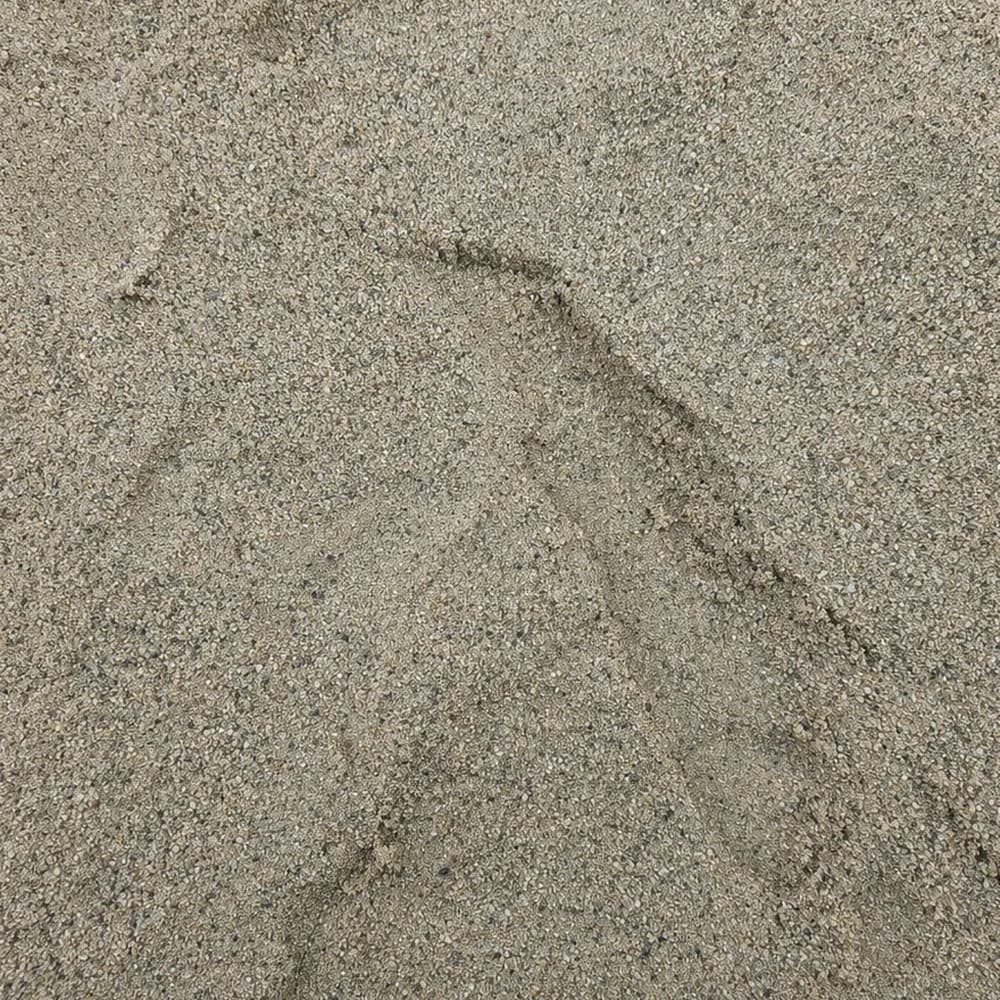
Take a handful off the pile and the difference from the coarse gray sand in the next bay is settled before you have read a single spec. There is no grit that bites at the fingertips, no orange staining left on the palm, no twigs or shell fragments in it. Mason sand runs fine and even, packs into the shape of a closed fist for a second and then falls apart cleanly when you open it. That feel is what the material is bought for, and it is also the quickest way to know whether the load that turned up is the one that was ordered.
The brick job that puts most of it on a truck
| Spec | What is listed |
|---|---|
| Size | Ultra-fine, consistent grain size |
| Grading | Washed to remove clay, silt and organic impurities |
Mortar is the job behind most orders. Brick and block work needs a fine aggregate that will carry cement and lime through a mix without leaving a gritty, unworkable paste, and the even grain size is what lets a mason strike a joint cleanly instead of dragging coarse particles across the face of the brick. The same properties make it the standard sand for stucco and for grout.
Paver bedding runs a close second. A fine sand screeds to a consistent thickness and takes the impression of a paver without the high points a coarse sand leaves under the corners, and the same material sweeps into the joints afterwards to lock the field together.
Play areas are the third, and they are the reason the washing step matters. The clay, silt and organic material have been taken out, so what is left is soft enough for bare feet and hands and does not leave a sandbox looking like a puddle after rain.
How fine washed sand behaves on Piedmont clay and coastal plain ground
Sand is only ever as good as what is under it, and the two halves of this state give it very different foundations.
In the Piedmont, red clay holds water. A bedding layer of fine sand sitting on undrained clay will stay damp, and damp bedding under pavers moves: it pumps out at the edges, washes through open joints during a heavy storm, and leaves a dip that has to be lifted and re-laid. The fix is never a thicker sand layer. It is a compacted stone base beneath it and somewhere for the water to leave.
On the coastal plain the ground drains, so the failure mode changes. There the risk is that sand migrates into sand. Without an edge restraint and a compacted base, a bedding layer and the native ground below slowly become one thing, and the surface settles.
One job this material never suits: preparing a new lawn. Sand spread over clay in the hope of loosening it produces a hard, unworkable layer rather than a better soil. Top Soil is the listing for that.
Screed rails, one inch, and not a grain more
Bedding sand is a leveling course, not a base course. The base carries the load, and the sand only makes up the small differences in the top of it.
Set two rails or lengths of pipe at the finished bedding depth, fill between them, and pull a straight edge across. One inch of bedding is the usual working figure, and thicker is actively worse: a deep sand layer consolidates unevenly under traffic and takes the pavers down with it, which is the most common reason a patio dips in its second summer.
Do not compact the bedding course before the pavers go down. Screed it, lay onto it undisturbed, then run the plate over the finished surface with a mat so the pavers bed into the sand from above. Joint sand goes in afterwards, swept and vibrated in stages until the joints stop taking more.
Why the coarse sand and the screenings are not interchangeable here
Three sands sit next to each other in the catalogue and they do different work.
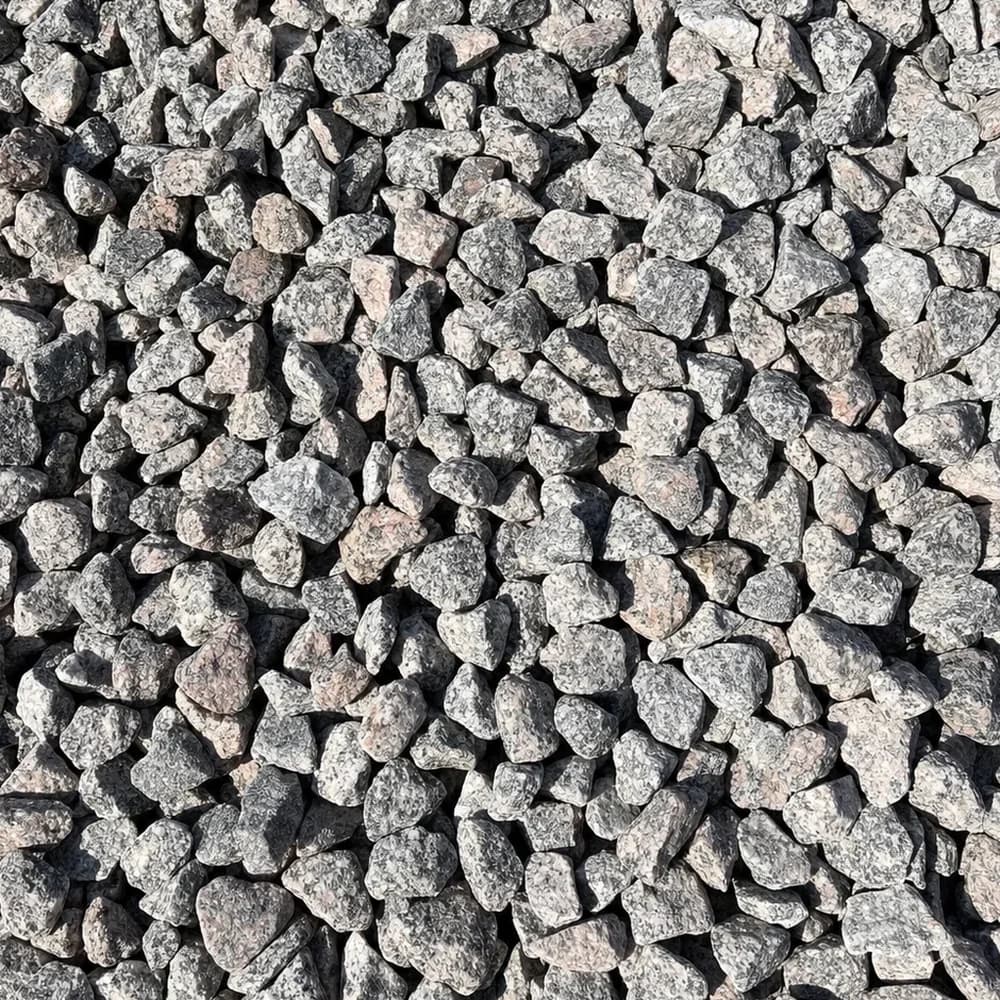
Washed Sand, also called concrete sand, is the coarse one. It is the sand that belongs in a concrete mix, and it is the usual choice for bedding and leveling under slabs where drainage through the layer matters more than a fine finish.
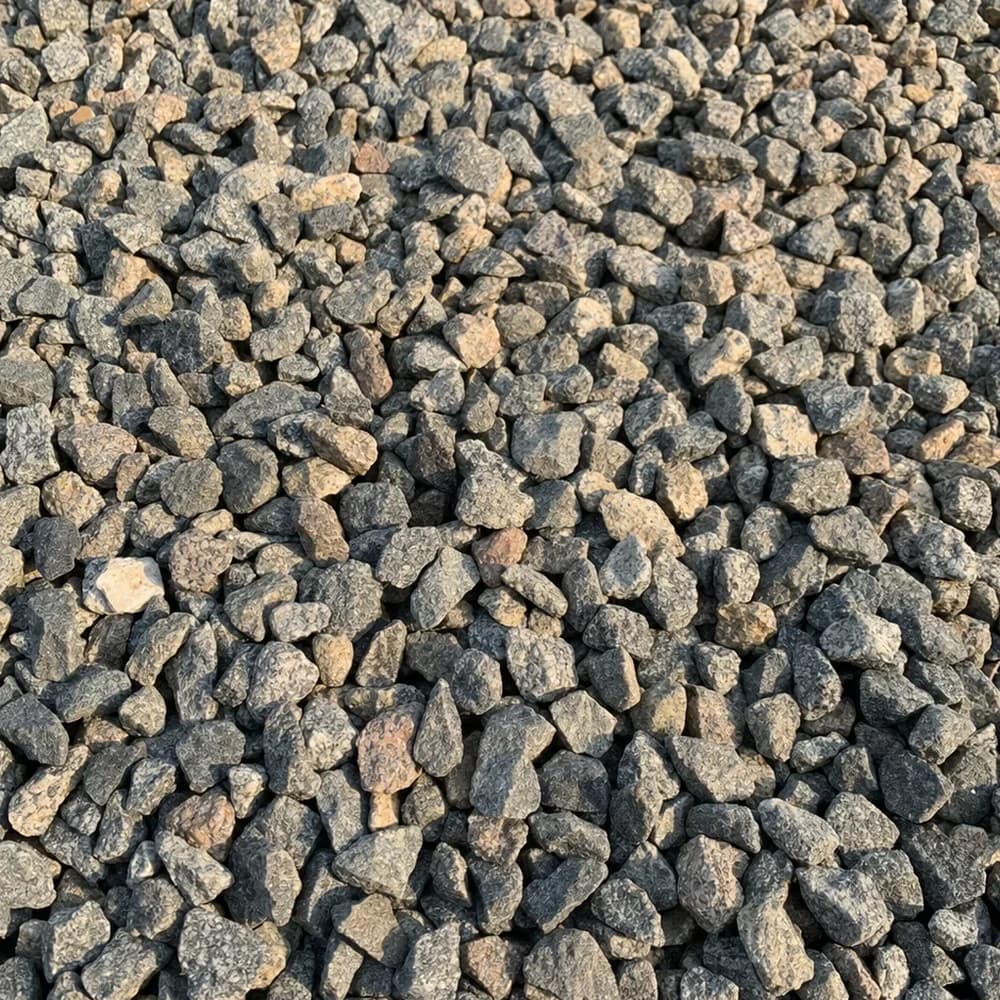
Screenings are not a sand at all but the fine end of crushed stone, angular and dusty. They bed flagstone and pavers and surface a path, and they lock up tight when compacted, which is exactly why they are wrong for a sandbox or a mortar mix.
Mason sand sits between them in texture and apart from them in purpose: fine, rounded enough to feel soft, and washed clean. Use it where the finish shows or where hands and feet are going to be in it.
A 12 by 30 dog run and an 8 by 8 pad, in cubic yards
Two hypothetical jobs on one property, worked separately because they land at very different scales.
A side-yard dog run, 12 feet by 30 feet, surfaced 3 inches deep:
- Area: 12 x 30 = 360 square feet
- Depth: 3 / 12 = 0.25 feet
- Volume: 360 x 0.25 = 90 cubic feet
- Cubic yards: 90 / 27 = 3.3
Bedding for an 8 foot by 8 foot paver pad under a hot tub, at 1 inch:
- Area: 8 x 8 = 64 square feet
- Depth: 1 / 12 = 0.083 feet
- Volume: 64 x 0.083 = 5.3 cubic feet
- Cubic yards: 5.3 / 27 = 0.2
The second figure is the useful lesson: bedding sand is a rounding error next to the stone base under it, so order it alongside the rest of the job rather than on its own. This site publishes mason and washed sand at approximately 2,700 lb per cubic yard, or 1.35 tons per yard, which makes the dog run about 4.5 tons (3.3 x 1.35) and the bedding course about 0.3 of a ton; both figures are approximate. The sand calculator converts other shapes the same way. Quantity and delivery date are chosen together here, with delivery arranged at checkout by ZIP code and the delivery page covering site access.
Quickly Calculate How Much You Need
Material: Mason Sand
How to Measure
Measure the length and width of your project area in feet
Decide on depth in inches (2" for landscaping, 4" for driveways)
Enter the values above and we'll calculate the tonnage you need
Need help figuring out the right amount? We can help!
Call or text us at (919) 752-3797 and we'll help you calculate the right quantity for your project.
Not sure how much you need? The Sand Calculator has depth guides, coverage charts and worked examples for this material.
Frequently Asked Questions About Mason Sand
Mason Sand delivery across North Carolina
- Charlotte
- Raleigh
- Greensboro
- Durham
- Winston Salem
- Fayetteville
- Cary
- Wilmington
- High Point
- Concord
- Greenville
- Asheville