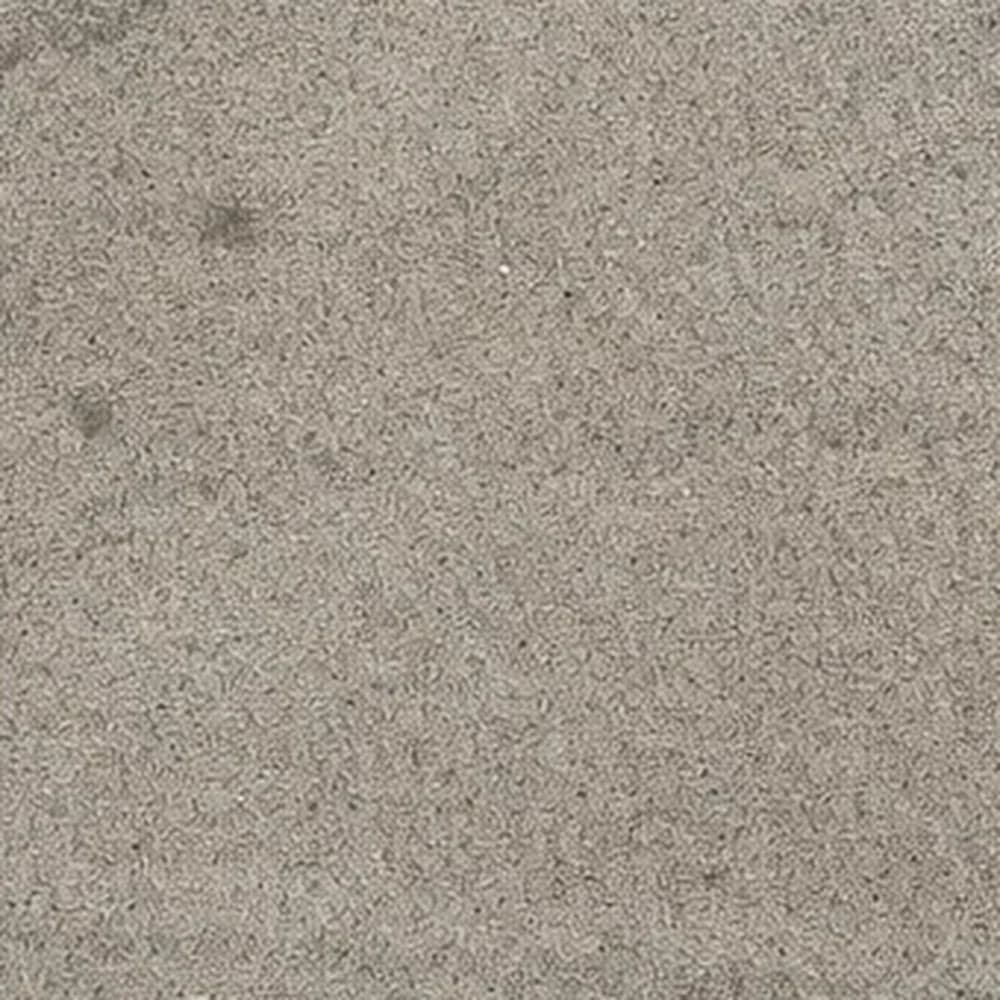
Washed Sand for Bedding, Backfill and Mixing in North Carolina
Washed Sand supports North Carolina crawlspace pad preparation, concrete mixing, trench backfill, and leveling where red clay can hold water.
- Size: Coarse-grained
- Grading: Washed; free of clay, silt and organic debris
From $625 for 1 ton, delivery included
Larger loads cost less per ton: 2000 tons is $140,940 ($70.47 per ton). Pick any quantity below for a delivered price.
Free delivery included
Free delivery anywhere in North Carolina
Pick a delivery date
Weekday delivery, earliest Oct 20
Get a Free Quote
Fill out the form and our sales team will get back to you within the hour.
Size and Grading
- Size
- Coarse-grained
- Grading
- Washed; free of clay, silt and organic debris
The decision on this page is almost always washed sand against mason sand, and it gets made at the yard gate by people who cannot tell the two apart by eye. Both are clean. Both pour the same way out of a bucket. The grain size is the difference, and it decides whether a paver bed holds its level through a Piedmont winter or slumps into ruts under the first delivery van that parks on it.
Washed sand or mason sand: grain size settles it
The listing is Washed Sand, coarse-grained, washed and free of clay, silt and organic debris.
| Washed Sand | Mason Sand | |
|---|---|---|
| Grain | Coarse | Fine and uniform |
| Feel | Gritty, individual grains you can feel | Soft, almost powdery when dry |
| Right for | Paver bedding, concrete mixing, trench backfill, leveling under slabs | Brick and block mortar, paver joints, play sand |
| Wrong for | Mortar, where the coarse grain fights the trowel | Anything bearing load, where fine grain shifts |
Coarse grains have more surface irregularity, so they lock against each other under pressure instead of flowing. That is the whole case for using it anywhere a load will sit. Fine grains do the opposite, which is why mason sand troweled into a mortar joint is a pleasure to work and why the same sand under a paver migrates away from every wheel.
The other word on the spec line matters as much. Washed means the clay, silt and organic material have been rinsed out. Pit sand that has not been through that process carries fines that hold water, swell and shrink, and refuse to drain, which is exactly the behavior Piedmont red clay already supplies for free.
Crawlspace pads, utility trenches and leveling over clay
Crawlspace preparation is a steady use here, where a clean leveling layer goes down over ground that stays greasy underfoot. A washed material keeps its drainage rather than turning to mud under the vapor barrier.
A utility trench wants bedding under the pipe or cable and a surround above it, so that nothing rests on a rock and the backfill above can be compacted without transferring a point load down. Clean coarse sand is the standard material for that, and it is easy to place and consolidate in a narrow trench.
Mixing concrete on site is the third use, where a washed coarse sand is the fine aggregate in the mix. Leveling under a slab or a shed floor is the fourth, and it is the one where depth discipline matters most.
A construction entrance, a paver base and a dry creek bed: one yes, two no
Three hypothetical jobs, and only one of them is a sand job.
The paver patio is the yes, but only as the thin bedding course. The structure is a compacted base of Crush and Run or ABC Stone, shaped to fall away from the house. Over that goes an inch of screeded coarse sand, and the pavers press into it. Plenty of installers here prefer Screenings for that layer because the angular fines lock harder; sand is the traditional choice and the easier one to screed.
The construction entrance is a no, and an expensive one. That job exists to knock mud off a tire before a truck reaches the road, and sand does the reverse: it clings, it tracks out onto the asphalt, and it vanishes into clay under one loaded axle. Build it from #4 Crushed Stone.
The dry creek bed is a no. A channel built to carry a Piedmont downpour moves sand out in the first storm and leaves a scour line where the bed used to be. Line it with River Rock, which is heavy enough to stay in a channel that is actually carrying water.
An inch under pavers, and why a deeper sand bed ruts
Depth is where paver jobs go wrong. The instinct is to use sand to take up the unevenness of a rough base, and a bed built two or three inches thick to do that will rut under load no matter how well the sand is screeded.
An inch is the working figure for a bedding course, and it is not compacted before the pavers are set, because the stones need to press into it. Getting there means the base has to be right first: compacted properly, shaped with fall, and level to within a fraction of an inch, since the sand is a bedding layer and not a leveling one.
Trench work reads differently. Four to six inches under a pipe and a surround up over the crown is typical, placed in lifts and consolidated as it rises. Leveling under a slab or a shed floor is a compacted layer, run over with a plate and wetted lightly so it consolidates rather than blowing about.
Tons for a 12 by 16 paver bed and a 30-foot utility trench
Two hypothetical jobs on the same property.
The patio, 12 feet by 16 feet, bedded at one inch:
- Area: 12 x 16 = 192 square feet
- Depth: 1 / 12 = 0.083 feet
- Volume: 192 x 0.083 = 16 cubic feet
- Cubic yards: 16 / 27 = 0.6
The trench, 30 feet long by 18 inches wide, with 6 inches of bedding:
- Cross section: 1.5 x 0.5 = 0.75 square feet
- Volume: 0.75 x 30 = 22.5 cubic feet
- Cubic yards: 22.5 / 27 = 0.8
That is 1.4 cubic yards between them. This site publishes mason and washed sand at approximately 2,700 lb per cubic yard, or 1.35 tons per yard, so 1.4 x 1.35 comes to 1.9 tons. Round to 2 and the extra will find a use. For a patio that is not a rectangle, the paver sand calculator does the same sum, and the sand calculator covers bulk leveling work.
Quantity and delivery date go in together on this page, with delivery arranged at checkout from your ZIP code. Sand wants a firm dry drop point and a tarp under it if it is landing on a drive, and the truck needs clear access to the spot. What that access involves is covered separately.
Quickly Calculate How Much You Need
Material: Washed Sand
How to Measure
Measure the length and width of your project area in feet
Decide on depth in inches (2" for landscaping, 4" for driveways)
Enter the values above and we'll calculate the tonnage you need
Need help figuring out the right amount? We can help!
Call or text us at (919) 752-3797 and we'll help you calculate the right quantity for your project.
Not sure how much you need? The Sand Calculator has depth guides, coverage charts and worked examples for this material.
Frequently Asked Questions About Washed Sand
Washed Sand delivery across North Carolina
- Charlotte
- Raleigh
- Greensboro
- Durham
- Winston Salem
- Fayetteville
- Cary
- Wilmington
- High Point
- Concord
- Greenville
- Asheville