Driveway Gravel for North Carolina Drives, Lanes and Parking Pads
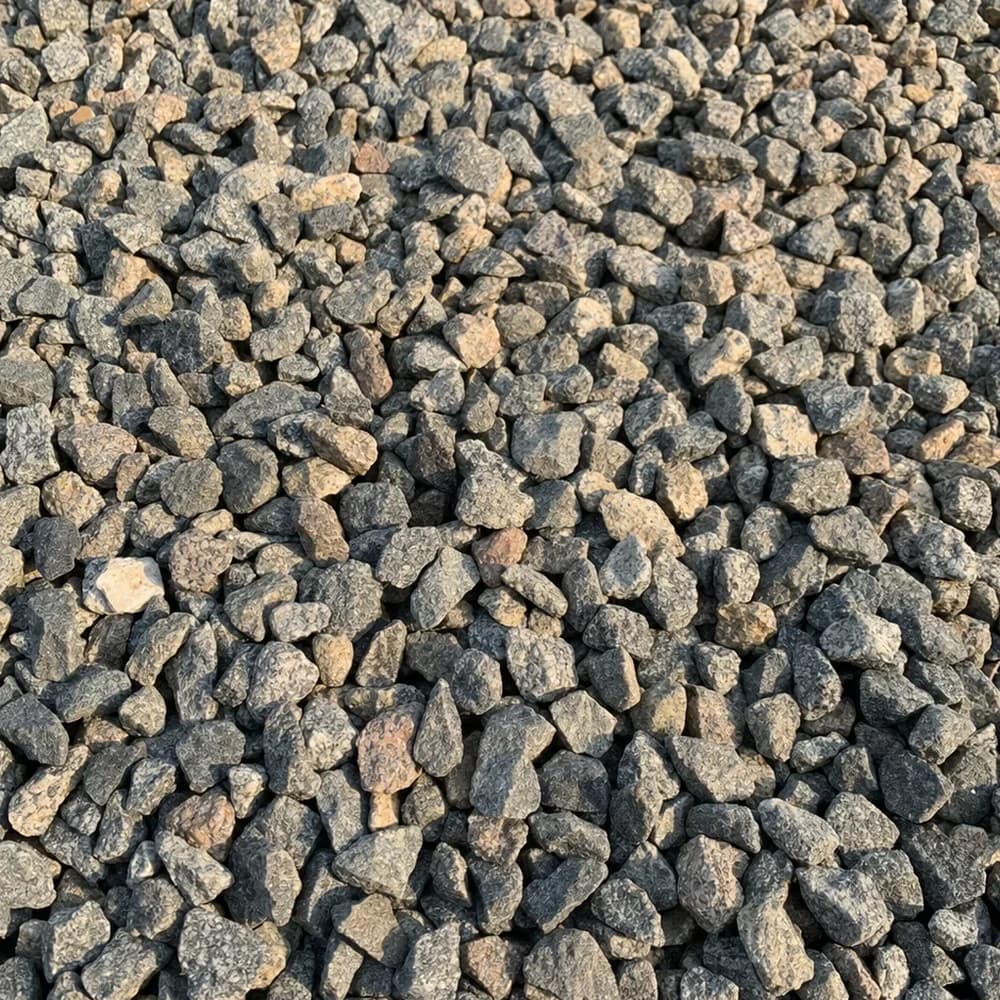
Driveway Gravel forms a firm, low-maintenance driving surface for North Carolina properties, with drainage through the crushed stone.
- Size: 3/4 inch
- Grading: Graded mix of stone sizes
- Type: Crushed stone
From $403 for 1 ton, delivery included
Larger loads cost less per ton: 500 tons is $31,195 ($62.39 per ton). Pick any quantity below for a delivered price.
Free delivery included
Free delivery anywhere in North Carolina
Pick a delivery date
Weekday delivery, earliest Oct 20
Get a Free Quote
Fill out the form and our sales team will get back to you within the hour.
Size and Grading
- Size
- 3/4 inch
- Grading
- Graded mix of stone sizes
- Type
- Crushed stone
Most drives in this state do not fail because of the stone on top. They fail underneath, where red clay takes on water through a wet Piedmont week, softens under a wheel and lets the surface sink into it. Driveway gravel is the wearing course that goes over a base already doing that load-spreading work, and buying it on the assumption that it will do both jobs at once is the most common way a new drive ends up rutted by spring.
Driveway gravel against crush and run, ABC stone and a washed #57
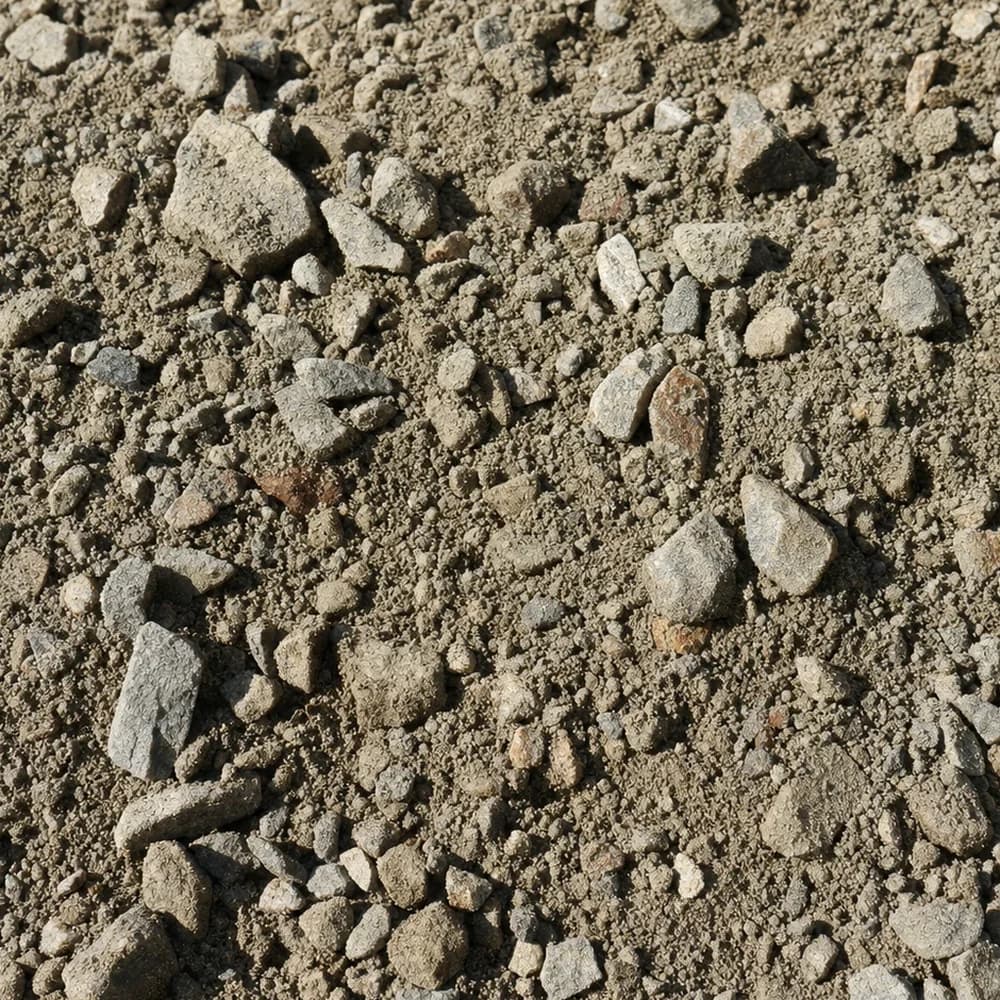
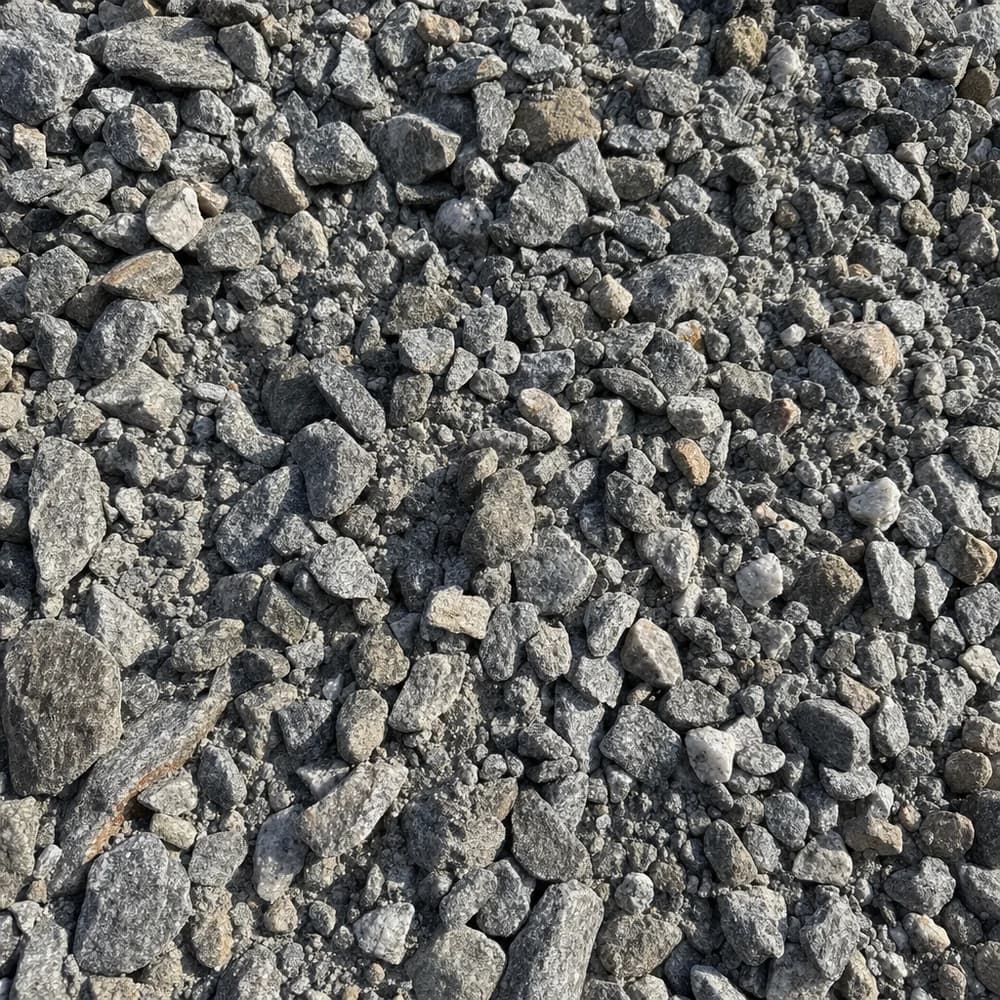
The listing is Driveway Gravel at three-quarter inch, a graded mix of stone sizes, crushed throughout. Graded means the pieces are not all one size, so smaller stone settles into the spaces between larger stone and the layer knits instead of rolling.
| Material | What it is | Where it goes on a drive |
|---|---|---|
| Driveway Gravel | 3/4 inch graded crushed mix | The surface you drive on and top up |
| ABC Stone | Aggregate base course with fines | The compacted base beneath it |
| Crush and Run | 3/4 inch minus with stone dust | Base, or a binding layer on a light-use lane |
| #57 Stone | Washed, single-size, no fines | Drainage, not a driving surface |
Two of those look similar in a pile. The difference is the fines. ABC stone and crush and run carry dust that binds the layer together under a roller, which is what a base course needs to do. Driveway gravel carries far less of it, which is why it stays loose enough to rake back into shape year after year. A washed #57 goes the other way entirely, with the fines rinsed out, and a drive surfaced in it never stops shifting under tires.
Where a graded 3/4 inch mix earns its place on a rural lane
The clearest use is a lane that has lost its shape. Years of tires wear two tracks, the crown flattens, water stops leaving the surface and starts running down the wheel ruts instead, and each storm deepens them. Reshaping the crown and laying a fresh wearing course over the existing compacted base fixes that without excavating anything.
The same layer suits a parking pad beside a house, an apron where a drive meets the road, a turnaround at the end of a long approach, and a farm track that carries a tractor and a feed truck rather than daily car traffic. On the Coastal Plain the reasoning shifts a little. Sandy ground drains freely but gives nothing back in support, so the base below matters just as much, only for the opposite reason.
Three jobs on the same property that ask for something else
All three are worth walking through because the mix looks plausible for each of them.
A construction entrance has one purpose, which is to scrub mud off a tire before a truck reaches the public road. Three-quarter inch stone is far too small for that. It packs into the tread instead of knocking mud out of it, and it disappears into soft clay under the first loaded axle. That job takes a large open stone such as #4 Crushed Stone.
A paver patio base has to compact into a layer that does not move at all, then take a thin bedding course on top. A graded mix with light fines will not lock up hard enough for that, and pavers set over it telegraph every settlement. Build the base from a material with dust in it and bed the pavers on Screenings.
A dry creek bed is a drainage feature people want to look at. Crushed gray stone at this size reads as a work surface, and moving water will carry the finer fraction downstream and leave the rest. Line that channel with River Rock instead.
Loose depth, compacted depth, and the clay under both
Depth figures cause more confusion than anything else on a gravel drive, because a stated depth can mean the layer as spread or the layer after traffic has worked it down. Spread loose, a wearing course loses roughly a fifth of its thickness once vehicles have crossed it a few dozen times.
For a resurface over a sound compacted base, three inches loose settles to a usable two and a half and is enough for cars. A drive taking a delivery truck, a horse trailer or a loaded pickup wants four inches loose. Bare subgrade is a different project: there the base course goes down first and gets compacted in lifts, and the wearing course follows.
On ground that stays wet, a woven geotextile between clay and stone is worth the cost, because it stops the two mixing. Once clay works up into the bottom of the stone, the layer has lost the drainage that kept it firm.
Tons for a 90 by 10 foot approach and a 16 by 20 parking apron
A hypothetical property with a straight approach and a parking apron beside the house, both being resurfaced over an existing base.
The approach, 90 feet by 10 feet, at four inches loose:
- Area: 90 x 10 = 900 square feet
- Depth: 4 / 12 = 0.333 feet
- Volume: 900 x 0.333 = 300 cubic feet
- Cubic yards: 300 / 27 = 11.1
The apron, 16 feet by 20 feet, at three inches:
- Area: 16 x 20 = 320 square feet
- Depth: 3 / 12 = 0.25 feet
- Volume: 320 x 0.25 = 80 cubic feet
- Cubic yards: 80 / 27 = 3.0
That is 14.1 cubic yards between them. This site publishes driveway gravel at approximately 2,800 lb per cubic yard, or 1.40 tons per yard, so 14.1 x 1.40 comes to 19.7 tons. Ordering 20 tons leaves enough to feather the edges. Run your own dimensions through the gravel calculator if the drive curves or changes width, and keep the five percent it adds by default.
Set quantity and delivery date together on this page. Delivery is arranged at checkout from your ZIP code, and the truck needs a firm place to stand with a clear line to the dump spot, which on a long lane usually means dropping two or three piles along the run rather than one at the end. What the driver needs on site is set out separately.
Quickly Calculate How Much You Need
Material: Driveway Gravel
How to Measure
Measure the length and width of your project area in feet
Decide on depth in inches (2" for landscaping, 4" for driveways)
Enter the values above and we'll calculate the tonnage you need
Need help figuring out the right amount? We can help!
Call or text us at (919) 752-3797 and we'll help you calculate the right quantity for your project.
Not sure how much you need? The Gravel Calculator has depth guides, coverage charts and worked examples for this material.
Frequently Asked Questions About Driveway Gravel
Driveway Gravel delivery across North Carolina
- Charlotte
- Raleigh
- Greensboro
- Durham
- Winston Salem
- Fayetteville
- Cary
- Wilmington
- High Point
- Concord
- Greenville
- Asheville