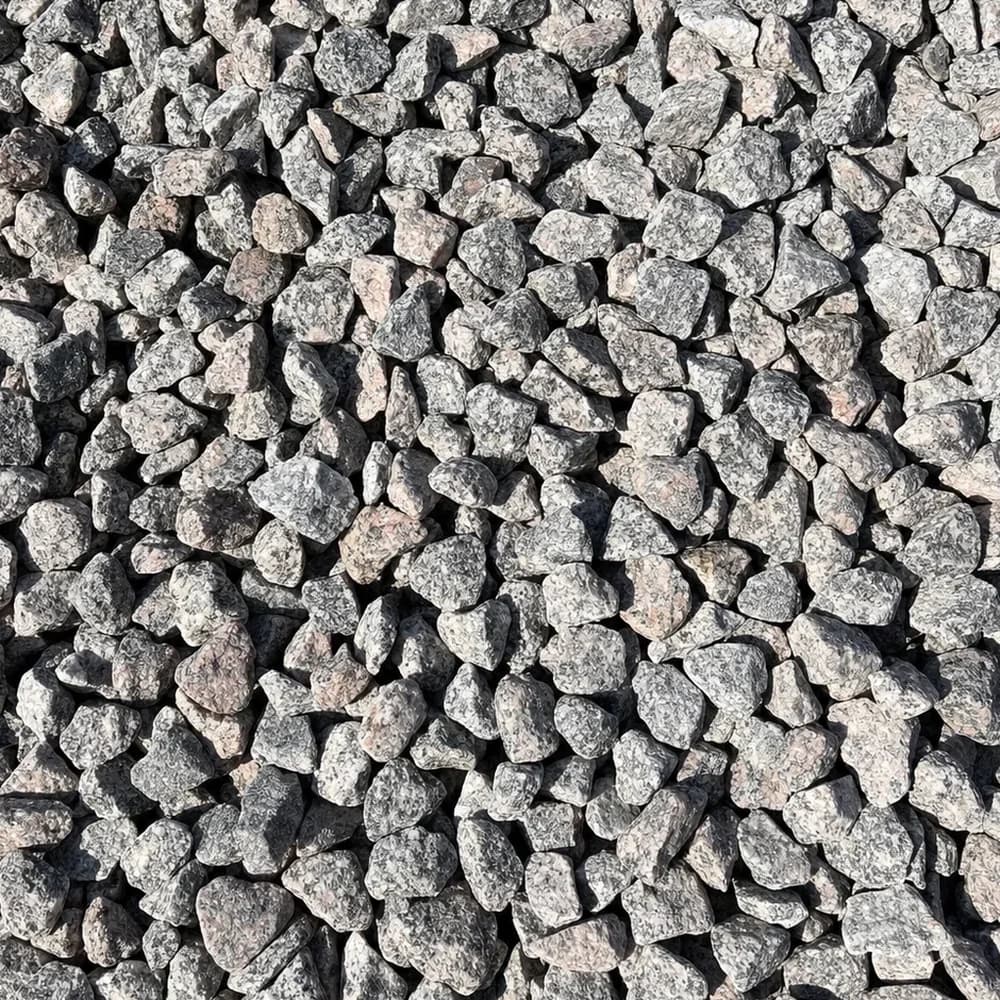
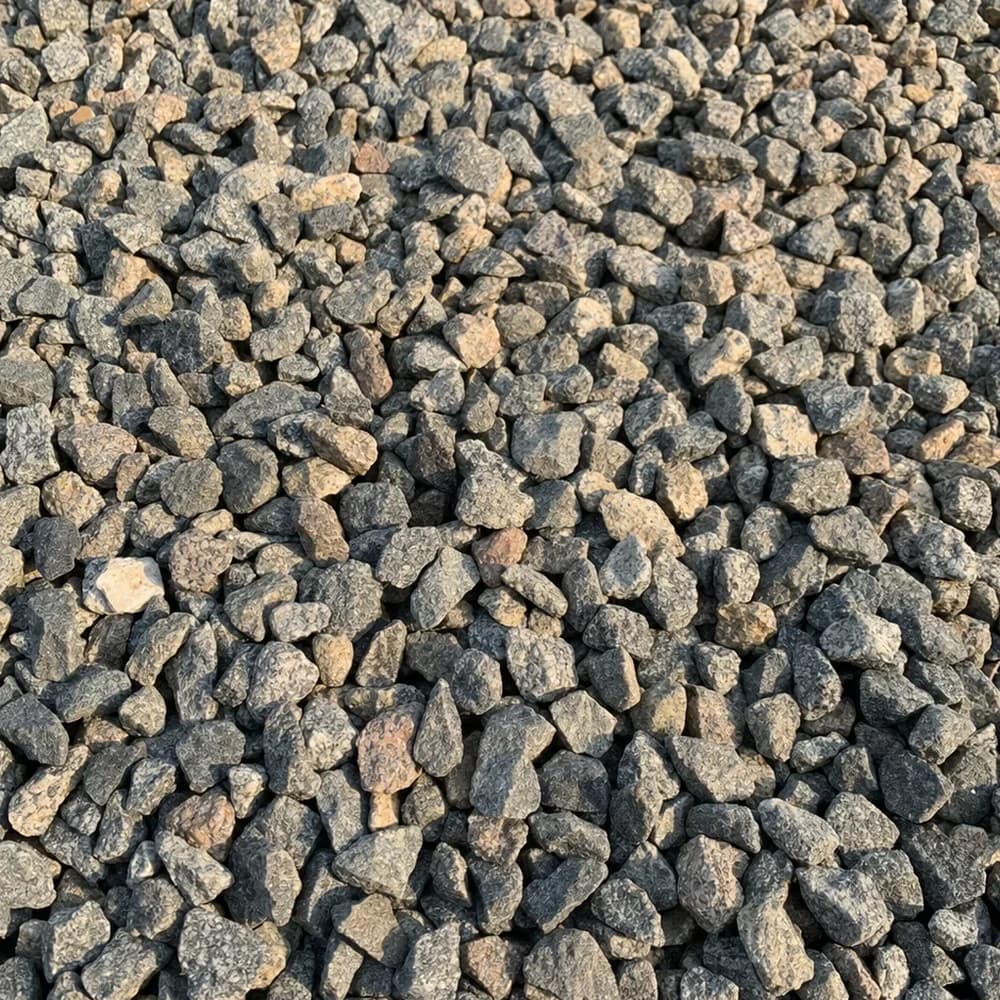
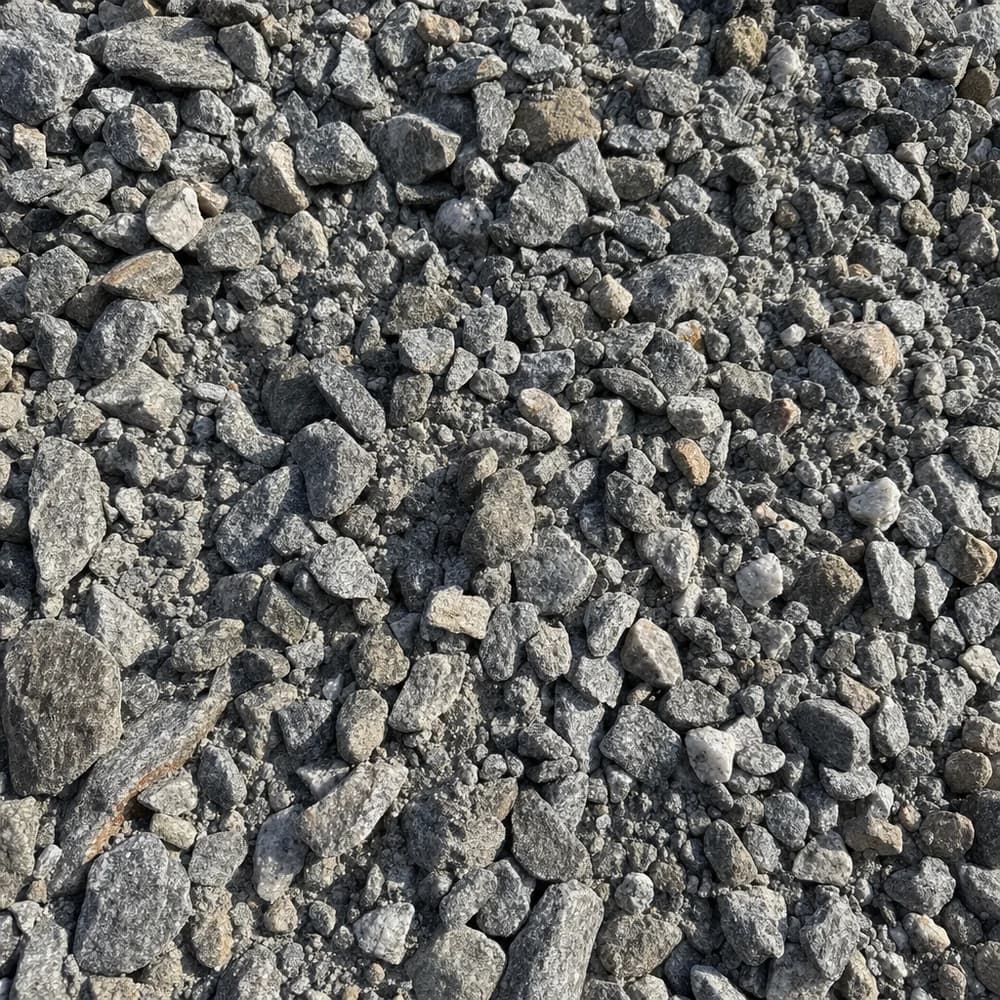
Crush and Run for North Carolina Pads, Drives and Sub-Base
Also sold as Crusher Run
Also known as: crusher run, CR-6
North Carolina red clay can stay soft under traffic; Crush and Run provides a compacted base for driveways and pads.
- Size: 3/4 inch minus
- Grading: Crushed stone blended with stone dust and fine particles
- Type: Angular crushed stone
From $396 for 1 ton, delivery included
Larger loads cost less per ton: 500 tons is $30,285 ($60.57 per ton). Pick any quantity below for a delivered price.
Free delivery included
Free delivery anywhere in North Carolina
Pick a delivery date
Weekday delivery, earliest Oct 20
Get a Free Quote
Fill out the form and our sales team will get back to you within the hour.
Size and Grading
- Size
- 3/4 inch minus
- Grading
- Crushed stone blended with stone dust and fine particles
- Type
- Angular crushed stone
The window for a base job in this state is rarely about the month on the calendar. It opens in the stretch of dry days after Piedmont clay has handed back the water the last system dropped on it, and it closes again the next time a tropical remnant parks overhead. Crush and run is the material most people are waiting on during that gap, because it wants to be damp and rolled rather than soaked and pushed around, and a pad built in the wrong week will show it inside a season.
Order it when you want the layer to lock up and stay put
The listing is Crush and Run, at three-quarter inch minus, a crushed stone blended with stone dust and fine particles, angular throughout.
Angular pieces wedge against each other instead of rolling apart, and the dust between them fills the gaps. Add moisture, run a plate or a roller over it, and the blend tightens into a layer that behaves as one thing. That is the whole case for it. Pick it when the job needs a surface that will not shift underfoot or under a wheel: a pad something heavy is going to sit on, a sub-base under pavers or flagstone, a drive that needs a firm layer beneath its wearing course, or a low area being brought up to a working grade before construction starts.
It also suits the coastal plain for a different reason. Sandy ground drains well but holds nothing together, so the fines in this blend supply the binder the soil cannot.
Leave it alone where the job needs water running straight through
Everything that makes it compact makes it a poor drainage material. The fines that lock the layer up also close the voids, so water is slowed rather than carried. Three signs the job wants something else:
- Water has to move through the material, not over it. That is washed, single-size rock, such as #57 Stone or Drain Rock.
- The surface is meant to be looked at. Crushed gray stone with dust in it reads as a work surface, not a landscape finish.
- Moving water will run across it. Fines wash out of a blend fast once a channel is carrying a storm, and what is left is loose stone.
A culvert outlet, a rock garden bed and a garage pad, judged one at a time
Three hypothetical jobs from the same property, with three different answers.
The culvert outlet or ditch lining is the clearest no. Water leaving a pipe at speed strips the dust out of this blend and then rolls the stone, so the repair lasts until the next real rain. Armor that spot with RipRap instead, sized for the flow it takes.
The xeriscape or rock garden bed is a no at the surface and a maybe underneath. Nobody wants gray fines in a planting bed, and the dust holds moisture against the crowns of the plants that are there precisely because they dislike it. Cover the bed with River Rock or pea gravel. Crush and run belongs in that project only as the compacted pad under a set of steppers or a boulder that has to stop settling.
The shed or garage pad is the yes. A pad built from this material takes the point load of a structure and spreads it, which matters more on clay that softens than on sand that does not. Shape the ground so water leaves the footprint, place the material in two lifts rather than one, dampen each lift, and compact before the next goes down.
Why a finished drive is never bare crush and run
A compacted layer of this blend is a base course, and on the busiest drives it is not meant to be the surface you look at or drive on for years. Fines work to the top under tires, rain makes them slick, dry weeks turn them to dust, and the crown flattens where the wheels track.
Where the drive carries daily traffic, cap the compacted layer with a wearing course: Driveway Gravel over it will take the traffic and can be raked and topped up without disturbing what is underneath. A lightly used farm lane or a parking pad can be left bare, as long as somebody is prepared to reshape the crown and add a little material every year or two.
Yards for a 12 by 16 shed pad with a working margin
A hypothetical shed, 12 feet by 16 feet, with a foot of pad left proud on each side so rain running off the roof lands on stone.
- Pad footprint: 14 x 18 = 252 square feet
- Target four inches compacted, placed loose at five: 5 / 12 = 0.417 feet
- Volume: 252 x 0.417 = 105 cubic feet
- Cubic yards: 105 / 27 = 3.9
Four cubic yards covers it with a little to rake into the edges. This site publishes crusher run and road base at approximately 3,000 lb per cubic yard, or 1.50 tons per yard, so the calculated 3.9 yards is about 5.9 tons and the rounded four yards about 6.0 tons, both approximate. The crusher run calculator will do the same conversion. Set the quantity and the delivery date together on this page; delivery is arranged at checkout from your ZIP code, and how that works is set out here. Leave the truck a firm place to stand and a clear line to the drop point, since a loaded pile is much easier to spread than to move twice.
Quickly Calculate How Much You Need
Material: Crush and Run
How to Measure
Measure the length and width of your project area in feet
Decide on depth in inches (2" for landscaping, 4" for driveways)
Enter the values above and we'll calculate the tonnage you need
Need help figuring out the right amount? We can help!
Call or text us at (919) 752-3797 and we'll help you calculate the right quantity for your project.
Not sure how much you need? The Crusher Run Calculator has depth guides, coverage charts and worked examples for this material.
Frequently Asked Questions About Crush and Run
Crush and Run delivery across North Carolina
- Charlotte
- Raleigh
- Greensboro
- Durham
- Winston Salem
- Fayetteville
- Cary
- Wilmington
- High Point
- Concord
- Greenville
- Asheville