ABC Stone in North Carolina: How Much You Need and How Deep
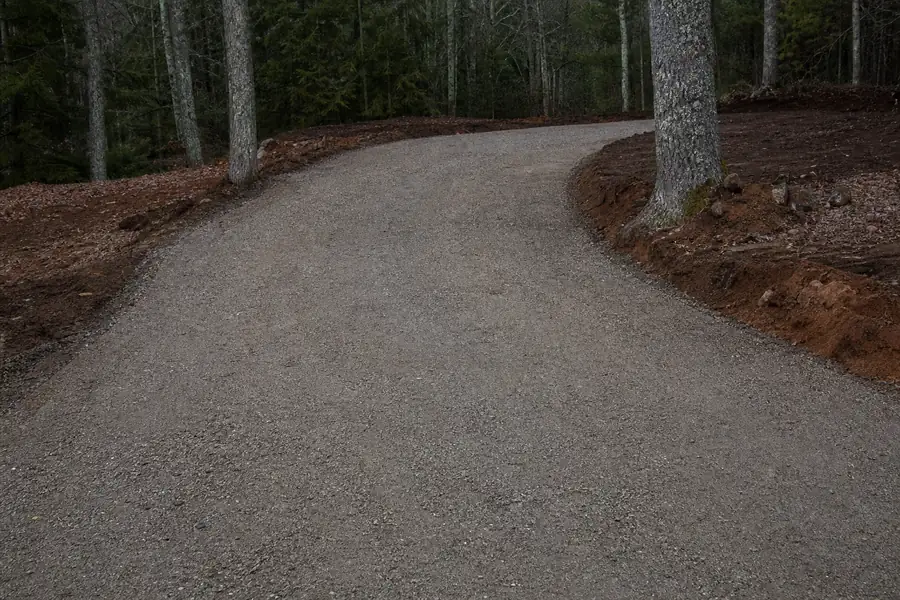
Quick answer: Most North Carolina driveways need a 4 to 6 inch compacted base of ABC stone, and one ton covers roughly 50 square feet at that depth. A typical 500 square foot driveway takes about 10 to 15 tons, depending on how deep you go and how well it compacts.
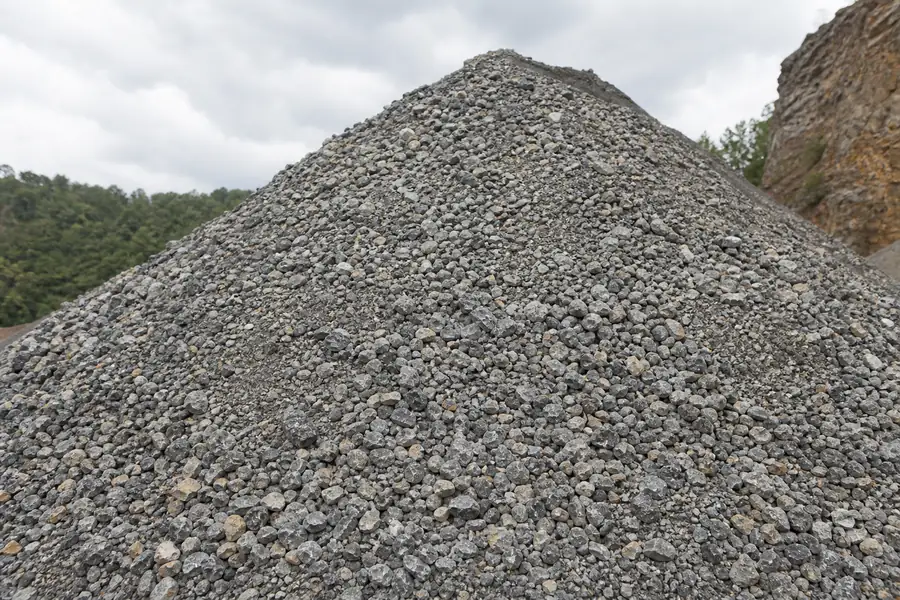
ABC stone, short for aggregate base course, is the crushed stone and rock fines blend that goes down before gravel, pavers or asphalt on nearly every driveway and pad project in the state. Get the depth right and it locks into a base that carries weight without rutting. Get the tonnage wrong and you either run short mid-pour or pay to haul off stone you didn't need.
How Deep Should ABC Stone Be in North Carolina?
A compacted ABC stone base runs 4 to 6 inches for a residential driveway, 3 to 4 inches under a walkway or paver patio, and 6 to 8 inches anywhere heavy trucks or equipment will park. Depth is the number that does the real work here, more than in states with deep frost lines, because North Carolina's frost depth only reaches about 12 inches and rarely causes the heaving that drives base thickness further north.
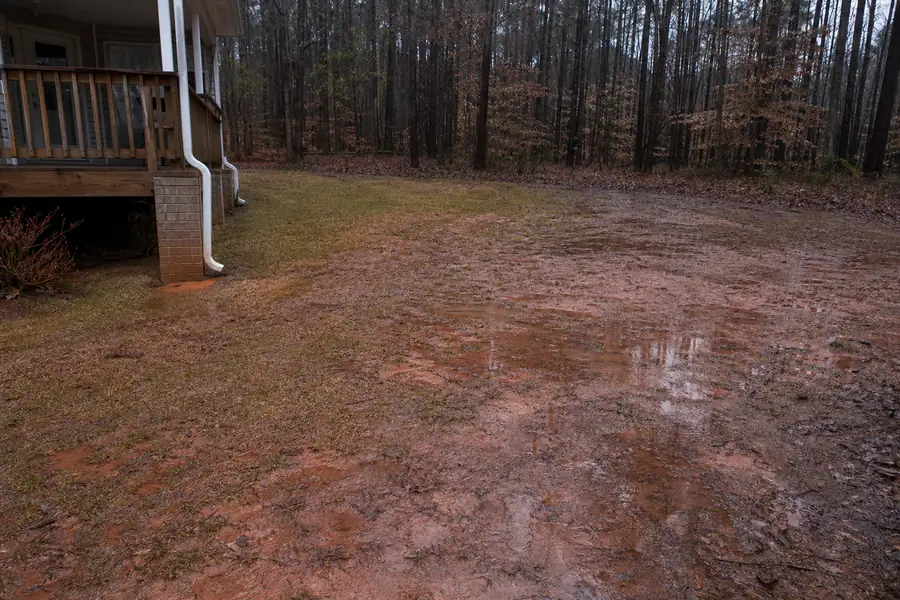
What actually threatens a North Carolina base is water. Piedmont red clay holds moisture and turns greasy under a loaded tire, so a thin ABC stone layer just gets pushed down into the clay instead of spreading the load. Coastal sandy soils have the opposite problem: they drain fine but don't hold the stone in place without enough depth and compaction to bind it.
| Project | Compacted depth |
|---|---|
| Driveway base | 4 to 6 inches |
| Walkway or paver patio | 3 to 4 inches |
| Shed or crawlspace pad | 4 inches |
| Parking pad or heavy vehicle area | 6 to 8 inches |
How Much ABC Stone Do You Need? Coverage and Tonnage
One ton of ABC stone covers about 100 square feet at a 2 inch depth, and coverage drops as depth increases: roughly 50 square feet at 4 inches and 33 square feet at 6 inches. Coverage scales directly with depth, so doubling the depth cuts the square footage per ton in half.
| Depth | Coverage per ton |
|---|---|
| 2 inches | 100 sq ft |
| 3 inches | 65 sq ft |
| 4 inches | 50 sq ft |
| 5 inches | 40 sq ft |
| 6 inches | 33 sq ft |
Work it with real numbers. A 12 by 40 foot driveway is 480 square feet. At a 5 inch depth that's 480 divided by 40, or about 12 tons of ABC stone before compaction losses. Add 5 to 10 percent to that figure to cover spillage and the settling that happens once a plate compactor runs over it. The road base calculator runs this math for your exact dimensions if you'd rather skip the arithmetic.
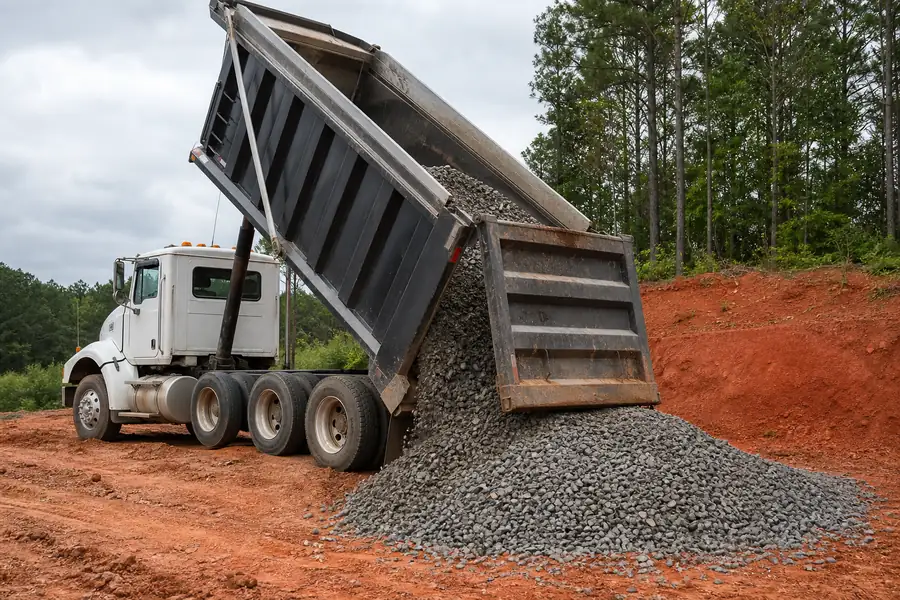
Why Piedmont Red Clay Changes How Much ABC Stone You Need
Red clay soil under a driveway or pad often means you need more ABC stone than the base table suggests, because soft or wet clay can eat into the bottom of the layer before it ever gets compacted. Counties across the Piedmont, including Durham County, deal with this constantly on new driveway installs and drainage repairs.
If the subgrade stays soft after rain, adding a rougher subbase layer, like #57 Stone, underneath the ABC stone gives water somewhere to go instead of pooling under the base. Some contractors substitute Crush and Run for the top lift because it compacts to a tighter surface, but ABC stone remains the standard base layer for driveways and pads across the state. On the coast, where soils run sandy instead of clay-heavy, freight adds more to delivered cost than the material itself, since crushed stone quarries sit inland and eastern counties are simply farther from the source.
FAQs
What is ABC stone made of?
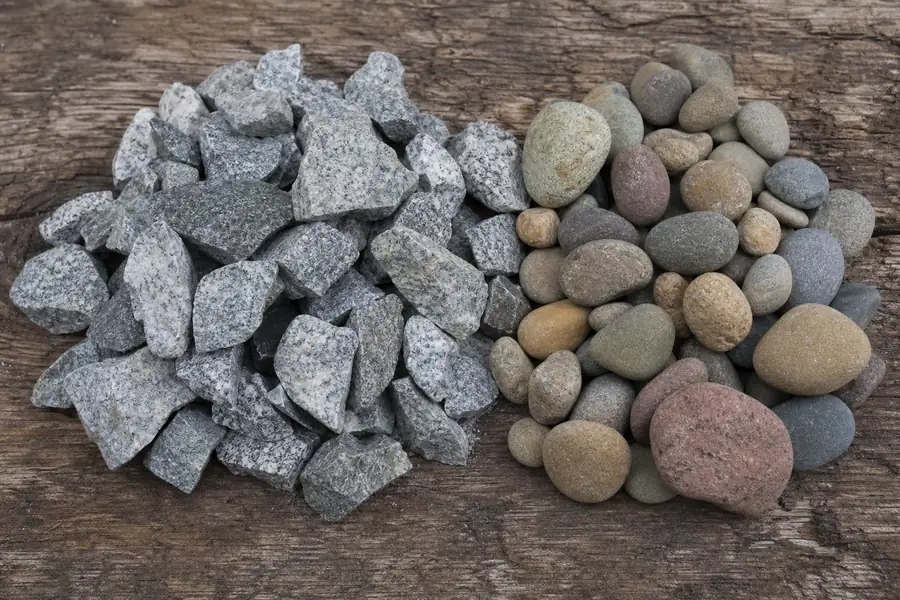
ABC stone is crushed stone, typically granite or gneiss quarried in the Piedmont, blended with rock dust and fines. The fines fill the gaps between larger pieces so the material locks together and compacts into a solid, stable base.
Do I need anything under ABC stone, or does it go straight on the ground?
Most jobs strip topsoil and organic material first, then place ABC stone directly on the cleared subgrade. If the ground stays wet or soft, a coarser drainage layer underneath, such as #57 stone, keeps the base from sinking or shifting over time.
Can I leave ABC stone as the finished driveway surface?
Yes, many North Carolina driveways use compacted ABC stone as the final surface without gravel or asphalt on top. It sheds water reasonably well once compacted, though it will need occasional topping and reshaping compared to a paved surface.
How much does ABC stone cost in North Carolina?
Price runs by the ton and varies with quantity, quarry distance, and delivery location, so it's quoted at order time rather than fixed on a page. Eastern counties farther from crushed stone sources tend to see higher delivered costs than Charlotte, Raleigh, or other Piedmont metros.
Does ABC stone need to be compacted after it's spread?
Yes, ABC stone needs mechanical compaction, usually with a plate compactor or roller, to reach the density that makes it a stable base. Uncompacted ABC stone stays loose, shifts under weight, and settles unevenly the first time it rains.