What Is ABC Stone? North Carolina's Aggregate Base Course Explained (vs Crusher Run and Road Base)
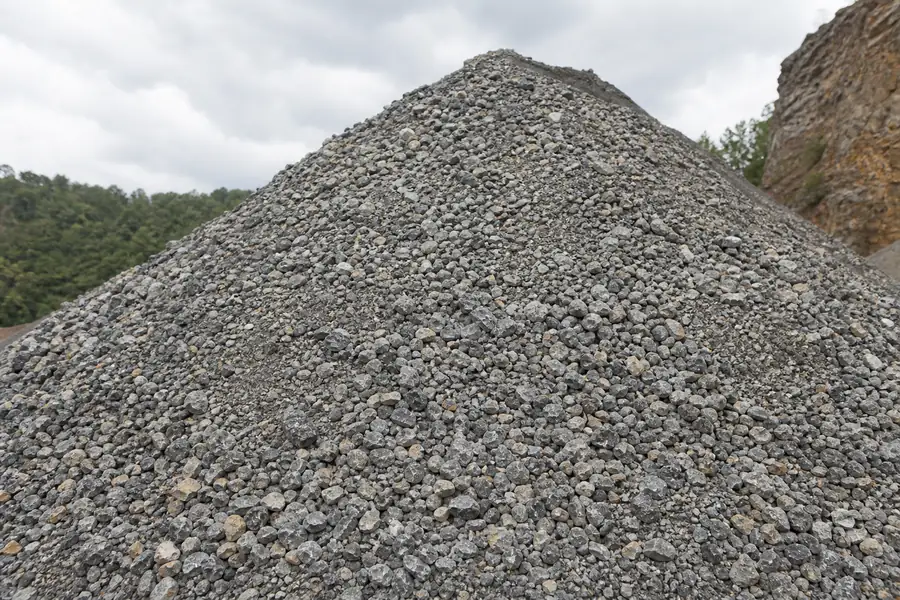
Quick answer: Road base is the compacted layer of crushed stone under a driveway, slab, or crawlspace pad, and in North Carolina that stone is almost always ABC stone.
Order it as ABC stone, aggregate base course, or just road base and most North Carolina quarries pull from the same pile. Crush and run looks similar and gets specified for the same jobs, but it isn't identical, and the difference matters once you're pricing a driveway or a pad.
What Is ABC Stone, Exactly?
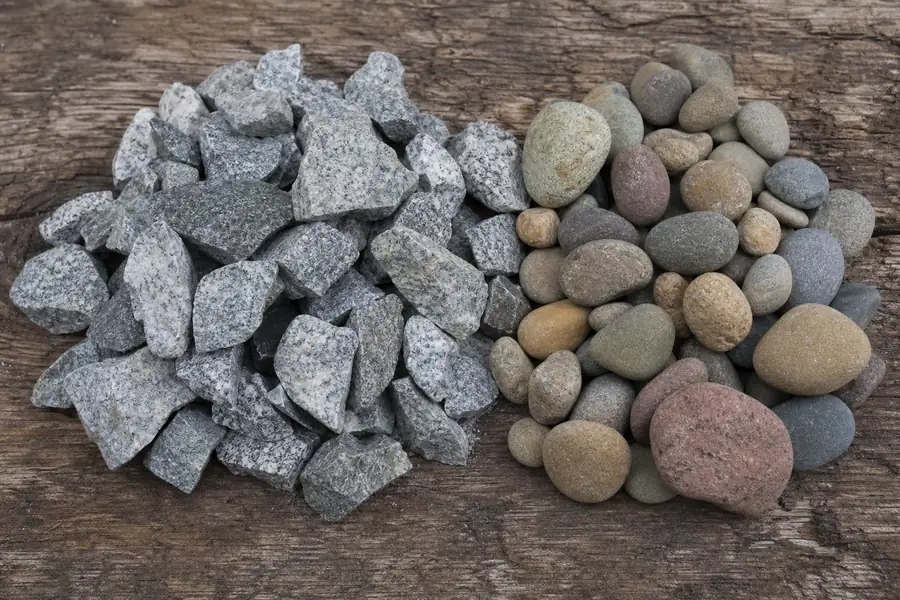
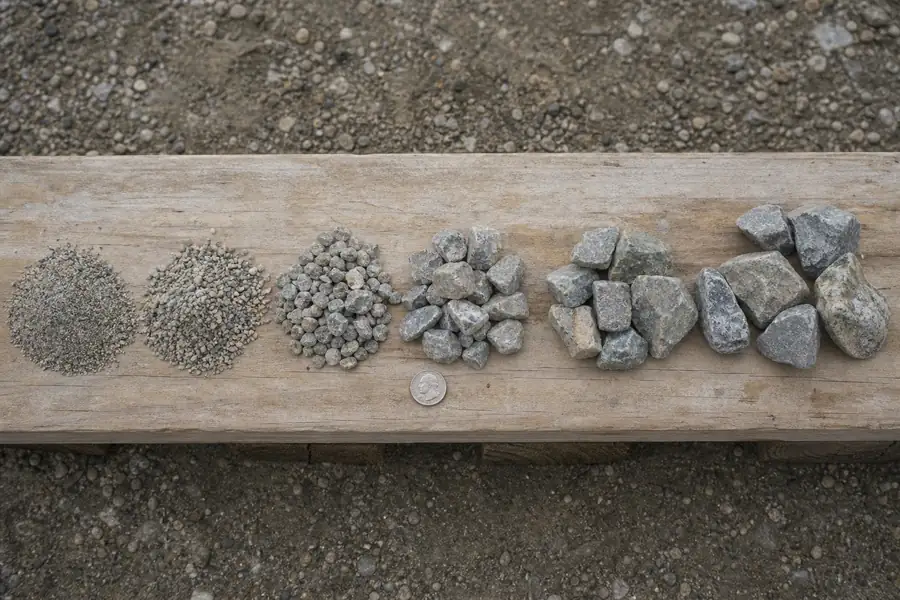
ABC stone stands for aggregate base course, crushed stone screened into a mix of particle sizes from about 3/4 inch down to fine rock dust in a single load. That mix of sizes is called gradation, and it's what makes road base behave differently from a single, clean stone size. For the full breakdown of how North Carolina quarries name and grade stone, our crushed stone sizes explained guide covers it in more depth.
Fines are the dust and small particles under about 1/4 inch, and they're the working part of the mix. Once a compactor runs over wetted ABC stone, those fines migrate into the gaps between the larger pieces and the layer sets up almost like a thin concrete. That's why ABC stone compacts tight, and why crush and run, with a similar but less tightly controlled gradation, can leave the surface a little looser.
ABC Stone vs Crusher Run vs Road Base in North Carolina
Road base describes the job the stone does, not one single product, and in North Carolina two materials fill that role: ABC stone and crush and run. On North Carolina Rock Supply's order sheet, road base is the ABC-spec material contractors ask for by name, and crush and run is sold separately because its gradation and fines content aren't pulled to the same tolerance.
| Material | Gradation | Fines content | Typical use |
|---|---|---|---|
| ABC stone (road base) | 3/4 inch down to dust, NCDOT-spec | Controlled, consistent batch to batch | Driveways, pads, under pavers, municipal work |
| Crush and run | Similar range, looser tolerance | Variable by load | Residential driveways, farm lanes, backfill |
| Washed stone (57, 67) | Single clean size, no fines | None | Drainage, French drains, septic fields |
If a project calls for drainage instead of a hard-packed base, fines are the enemy, not the asset, which is why a washed stone with no fines drains where ABC stone or crush and run would hold water. Our crusher run vs washed stone comparison walks through that trade-off project by project.
Pull road base for anything needing a spec-tight compacted layer, and crush and run for a residential driveway or backfill where NCDOT tolerance isn't being inspected. Both price close to the same per ton once you're ordering by the yard, and both move the same way off a dump truck.
Where North Carolina Projects Require Road Base
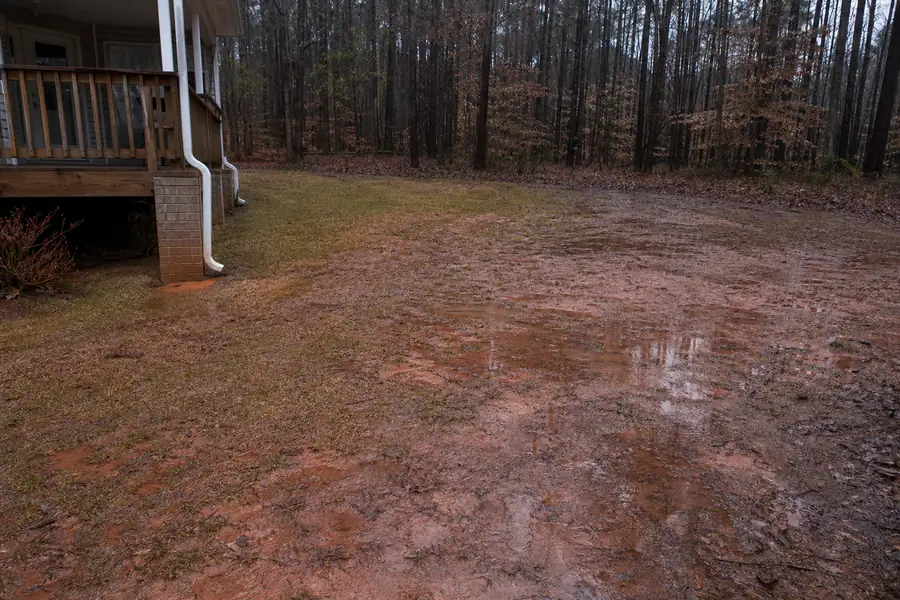
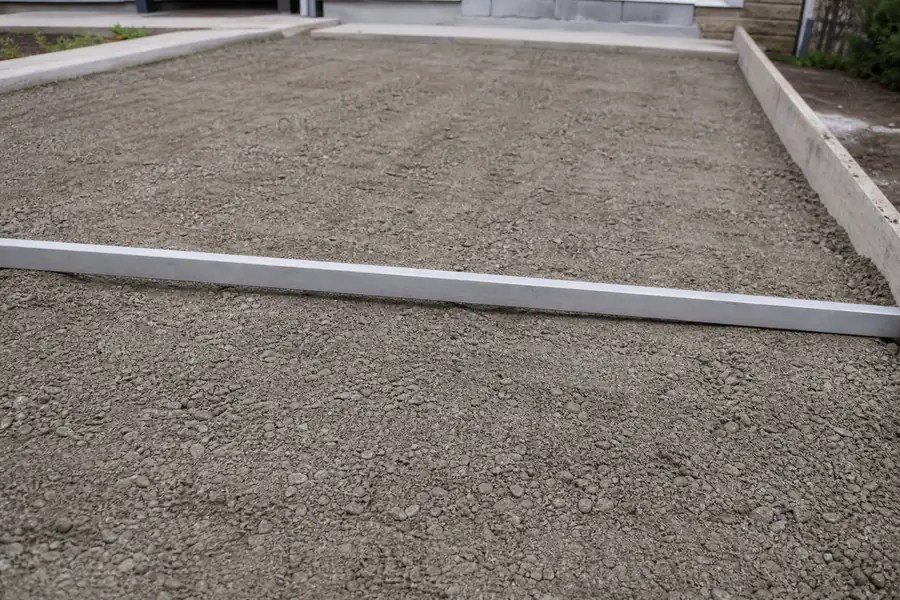
Road base goes under anything that needs to carry weight without sinking: driveways, parking pads, crawlspace pads, and the first lift under a paver patio. In the Piedmont, where red clay holds water and turns greasy under a tire, a thick ABC stone base does the work that frost protection does further north. North Carolina's frost line runs only about 12 inches deep, so base thickness here is about load and drainage, not frost heave.
On the coast, the problem flips. Sandy coastal-plain soil doesn't hold a shape on its own, so the fines in ABC stone act as the binder that keeps a driveway from migrating into the yard after a few storms. If you're deciding what stone to put down for a new driveway anywhere in the state, our best gravel for North Carolina driveways guide breaks the choice down by soil type and budget.
How Thick Should Road Base Be, and How Do You Compact It?
Most North Carolina driveways need 4 to 6 inches of compacted ABC stone, and a crawlspace pad or shed base can get by on 4 inches. Heavy truck traffic or a commercial pad pushes that to 6 to 8 inches. Spread it in lifts of no more than 2 inches loose depth, wet each lift lightly, and run a plate compactor or roller over it before adding the next lift. Compacting the whole depth at once leaves the bottom loose no matter how long you run the machine.
| Project | Compacted depth |
|---|---|
| Crawlspace pad or shed base | 4 inches |
| Standard driveway | 4 to 6 inches |
| Driveway with heavy truck traffic | 6 to 8 inches |
Moisture matters as much as the machine. ABC stone compacts best a little damp, since dry fines just blow off the surface instead of binding, and oversaturated stone pumps back up under the plate instead of locking down. Our guide to compacting gravel covers moisture content and lift thickness in more detail if you're doing the work yourself.
Run the numbers before you order. The road base calculator and the crusher run calculator both convert your square footage and depth into tons, so you aren't guessing on a delivery that's priced and sold by the ton.
FAQs
Is ABC stone the same as crusher run?
No. Both are crushed stone with fines mixed in for compaction, but ABC stone is held to NCDOT's aggregate base course gradation, while crush and run is a similar product sold to a looser tolerance. For a driveway that won't be inspected, crush and run usually works fine and costs about the same per ton.
What is road base made of in North Carolina?
North Carolina road base is crushed granite or gneiss, screened into a mix of sizes from about 3/4 inch down to fine dust. The dust, called fines, fills the gaps between the larger pieces so the layer locks tight once it's compacted.
How much road base do I need for a driveway?
Most residential driveways need 4 to 6 inches of compacted ABC stone, which usually means ordering closer to 6 to 8 inches of loose material before compaction. A road base calculator converts your driveway's length, width, and depth into tons so you order the right amount the first time.
Can I use road base without a top layer of gravel?
You can, and some driveways stop there, but ABC stone alone can look rough and shed dust in dry weather. Most North Carolina driveways get a thin top layer of decorative gravel over the compacted base for a cleaner surface and better footing.
Does road base drain water or hold it?
Road base holds water more than it drains it, because the fines that make it compact tight also slow water moving through the layer. For a French drain or anywhere water needs to pass through the stone, a washed stone with no fines is the better choice.