Gravel Driveways on Piedmont Red Clay: Base Depth That Holds
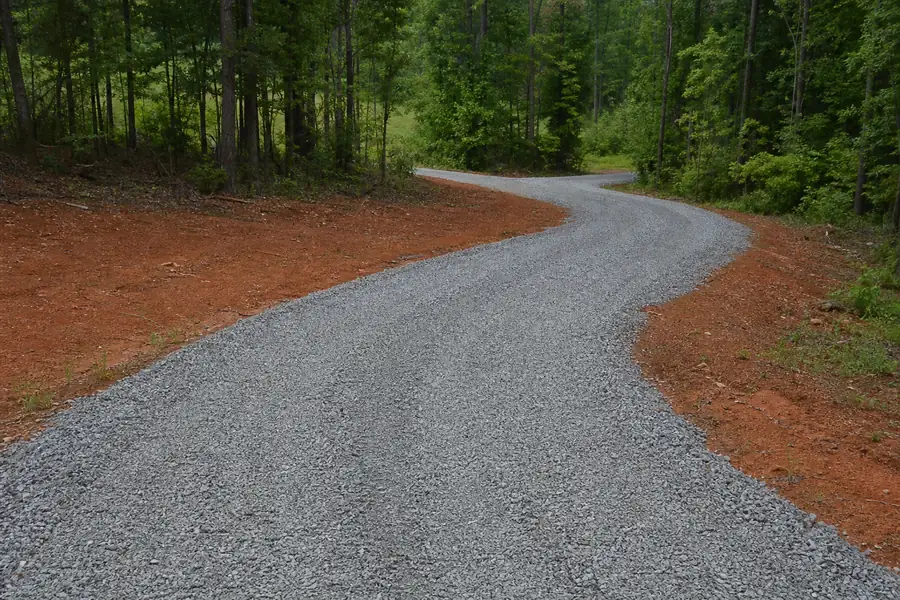
Quick answer: A gravel driveway built on Piedmont red clay needs a compacted base of 6 to 8 inches of ABC Stone, about 2 inches deeper than the 4 to 6 inch base that works on sandy or well-drained ground. The extra depth keeps the clay from pumping up through the gravel once it's saturated and under the weight of a vehicle.
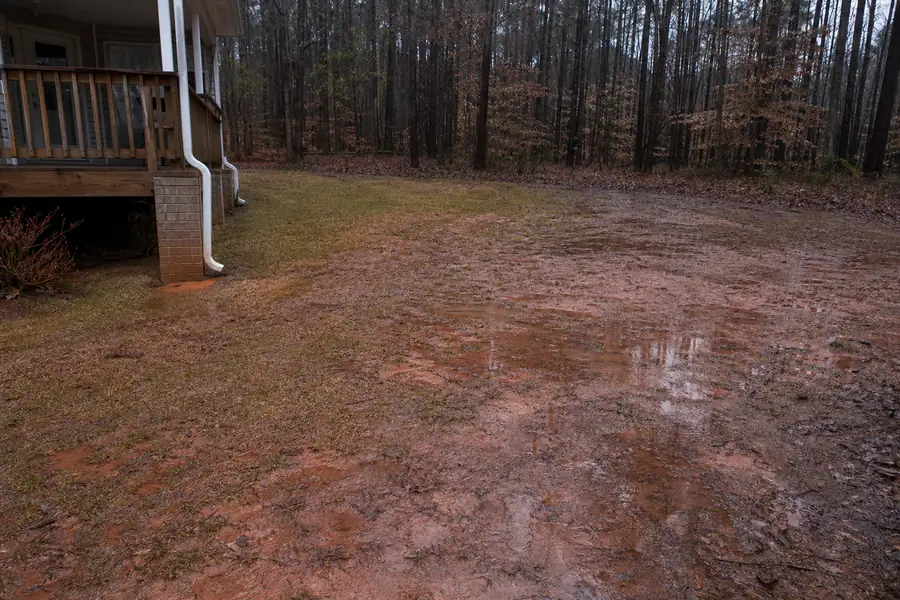
Red clay across the Piedmont, from Charlotte to Raleigh to Greensboro, drains slowly and turns greasy when wet. A driveway that would hold up fine on coastal-plain sand will rut and pothole within a season on clay if the base underneath it is too thin.
Why Red Clay Needs a Deeper Gravel Driveway Base
Red clay holds water and loses strength under load, so a gravel driveway on red clay needs more compacted base than the same driveway built over sand or sandy loam. Clay particles are small and packed tight, which means water has almost nowhere to go once it soaks in.
North Carolina's frost depth runs about 12 inches, shallow compared to states further north, so freeze and thaw isn't the main threat here. The bigger issue is drainage. Piedmont clay has almost no permeability, so water sits right at the surface of the subgrade and softens it. Under the weight of a car or delivery truck, that softened clay squeezes up between the stones, a failure crews call pumping.
A driveway that lets clay and gravel mix at the surface loses its load-bearing strength fast. That's why the base has to be thick enough to spread the wheel load out before it ever reaches the clay underneath.
Building a Gravel Driveway Base Depth That Holds on Red Clay
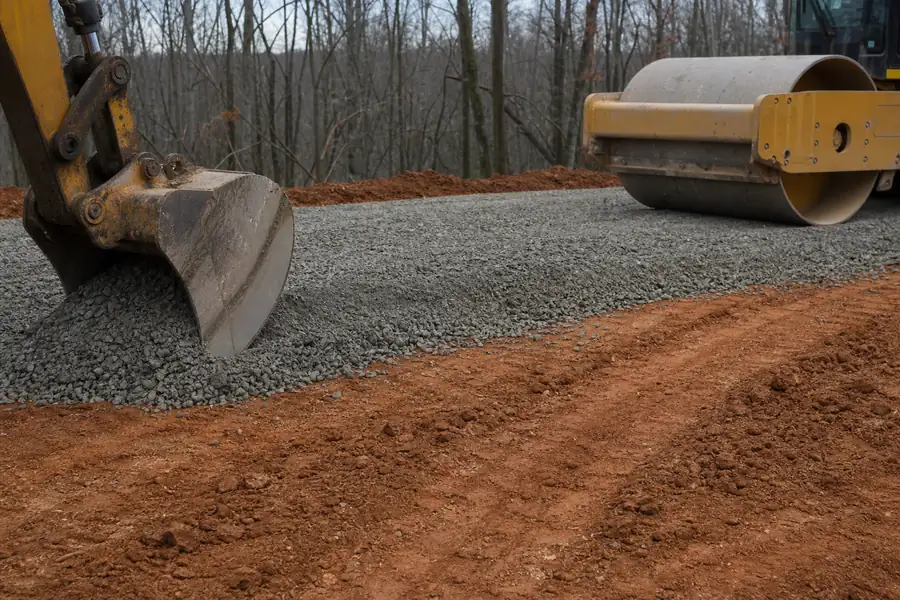
Building a gravel driveway that holds on red clay starts with stripping the topsoil down to firm clay, then building the base up in compacted layers instead of dumping stone in one pass.
- Strip topsoil and organic material down to firm clay, typically 4 to 6 inches deep.
- Crown or slope the graded subgrade at least 2% so water runs off instead of pooling.
- Spread and compact ABC Stone in 3 inch lifts until the base reaches 6 to 8 inches.
- Run a plate compactor or roller over each lift before adding the next one.
- Cap the base with 2 inches of driveway gravel for the finished driving surface.
Crush and run works as a one-step alternative on shorter driveways or parking pads. It's crushed stone with fines already mixed in, so it locks into a single dense layer instead of needing a separate base and topcoat.
Gravel Driveway Red Clay Depth by Traffic Type
A gravel driveway on red clay needs a deeper base under heavier traffic: 6 inches handles a single-car driveway, 8 inches holds up under trucks and RVs, and long shared driveways with regular delivery traffic often need 10 inches or more.
| Traffic type | Compacted base depth | Topcoat |
|---|---|---|
| Single car, light passenger use | 6 in | 2 in |
| Two cars, occasional truck | 6 to 8 in | 2 in |
| Trucks, RV, farm equipment | 8 to 10 in | 2 to 3 in |
| Shared or commercial driveway | 10 to 12 in | 2 to 3 in |
Use the road base calculator to turn that depth into tons for your driveway's actual length and width.
What Goes Wrong When the Base Is Too Thin
A gravel driveway with a base under 4 inches on red clay ruts, potholes and pumps clay to the surface within one wet season. Standing water in the tire tracks, soft spots that flex underfoot, and orange clay showing through the gravel are the first signs the base isn't holding.
On driveways that stay soggy even with a full base, adding a 2 inch layer of #57 Stone beneath the ABC Stone gives water somewhere to drain instead of sitting against the clay. That extra layer matters most at the low end of a sloped driveway, where runoff collects.
A driveway running downhill through the red clay common in Chatham County and across much of the Piedmont needs that low end built deeper than the rest, since it takes on water the high end never sees.
FAQs
How deep should a gravel driveway base be on red clay?
Most gravel driveways on Piedmont red clay need a compacted base of 6 to 8 inches of ABC Stone, topped with 2 inches of driveway gravel. Driveways carrying trucks, RVs or regular delivery traffic often need 8 to 10 inches.
What's the best stone for a driveway base on red clay?
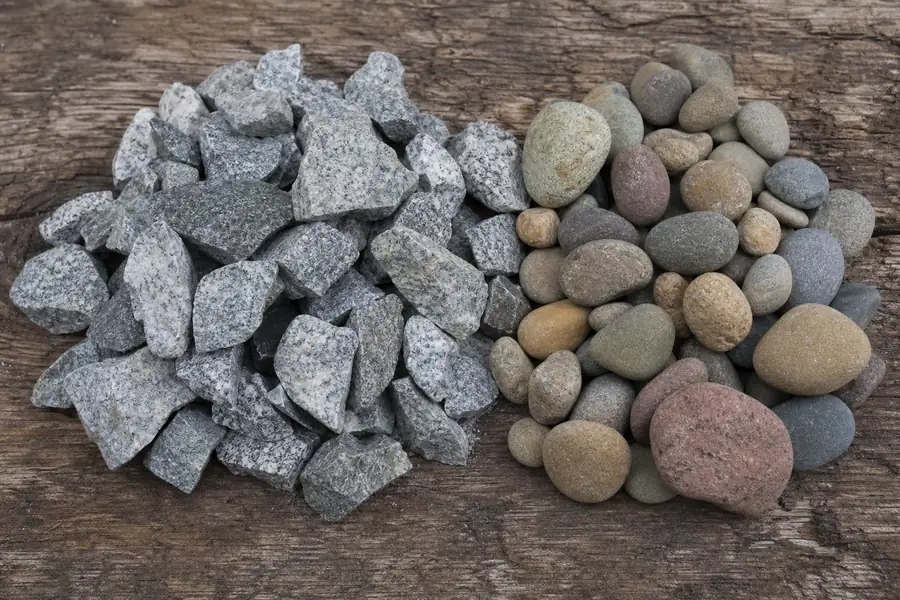
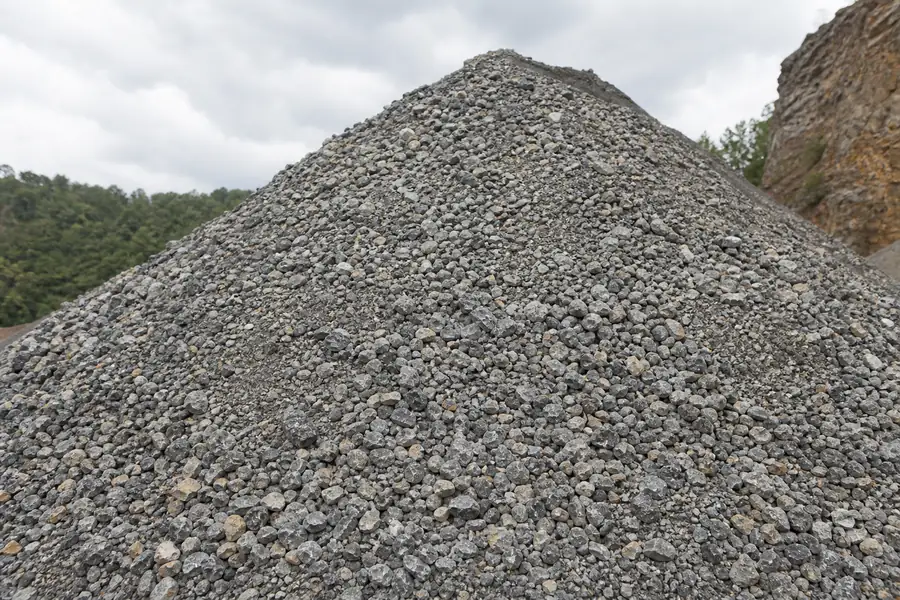
ABC Stone (aggregate base course, sometimes called crush and run) is the standard base material because it compacts into a dense, load-bearing layer. A layer of #57 Stone underneath helps on driveways that stay wet, since it lets water drain instead of collecting against the clay.
Does a gravel driveway on red clay need fabric under the base?
A woven geotextile fabric between the clay subgrade and the stone base helps keep the two from mixing under load, which is what causes clay to pump up through the gravel. It's not required on every driveway, but it's worth adding on soft, poorly drained clay or heavy-traffic driveways.
How long does a gravel driveway on red clay last?
A properly built gravel driveway on red clay, with 6 to 8 inches of compacted base and good crown and drainage, typically lasts 10 to 15 years before it needs a full rebuild. It will need periodic topping up of the gravel surface and occasional regrading in between.
Why does my gravel driveway keep sinking into the clay?
A driveway sinks into red clay when the base is too thin or wasn't compacted in lifts, so the clay stays wet under the stone and eventually squeezes up through it. Rebuilding with a full 6 to 8 inch compacted base, proper crown, and a drainage layer where the ground stays soggy usually solves it.