#67 Stone for Wall Backfill and Drainage on North Carolina Clay
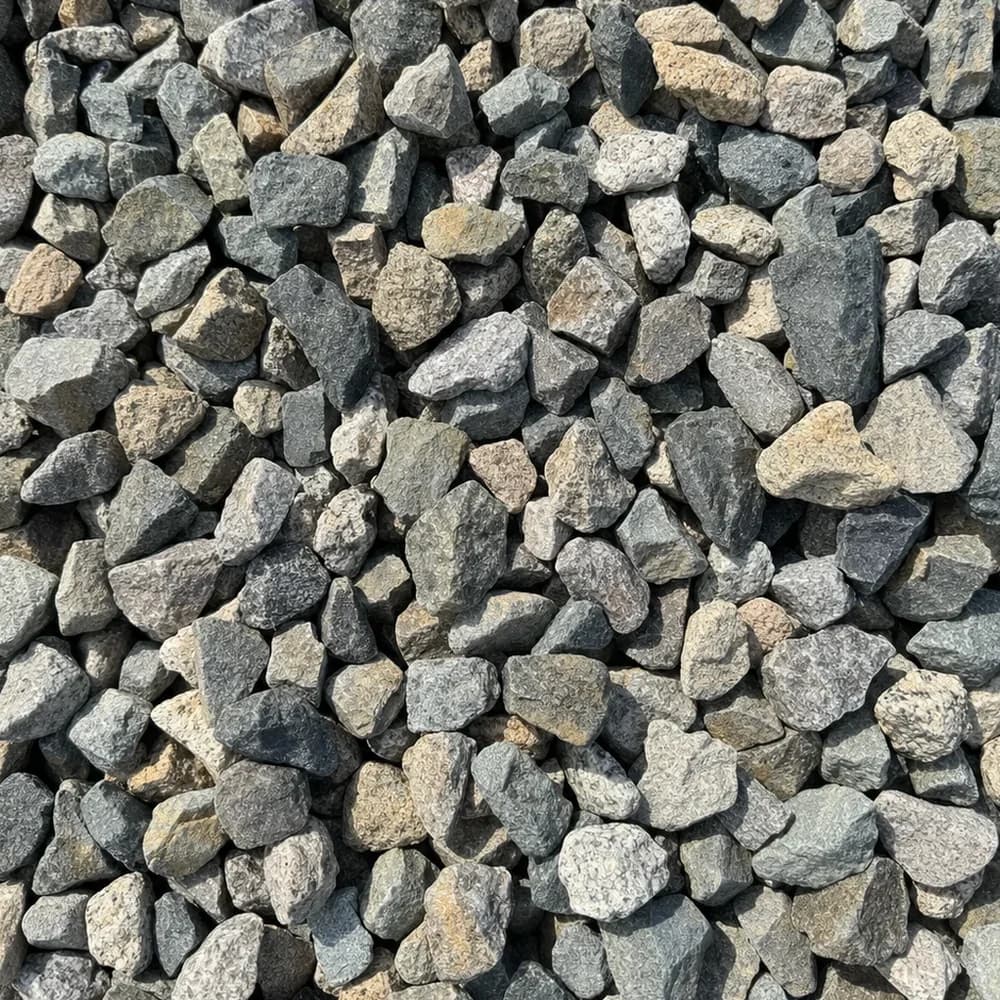
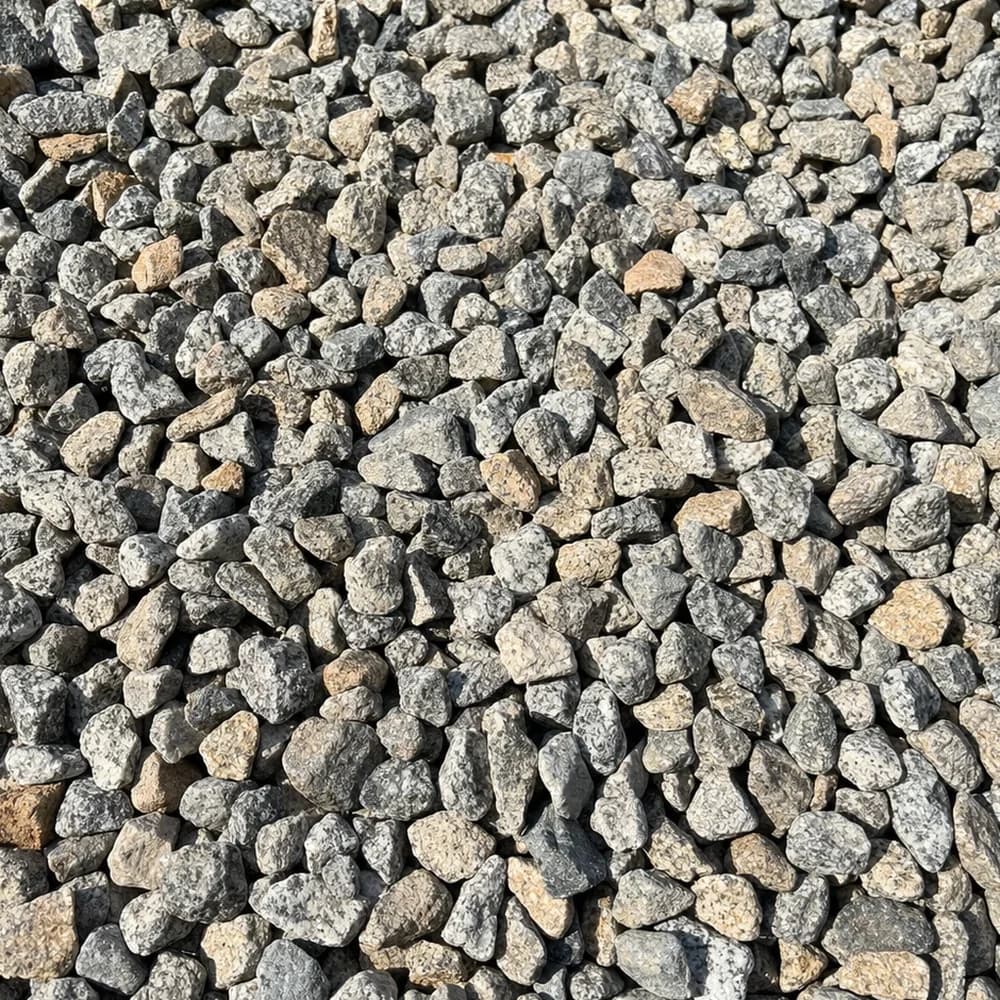
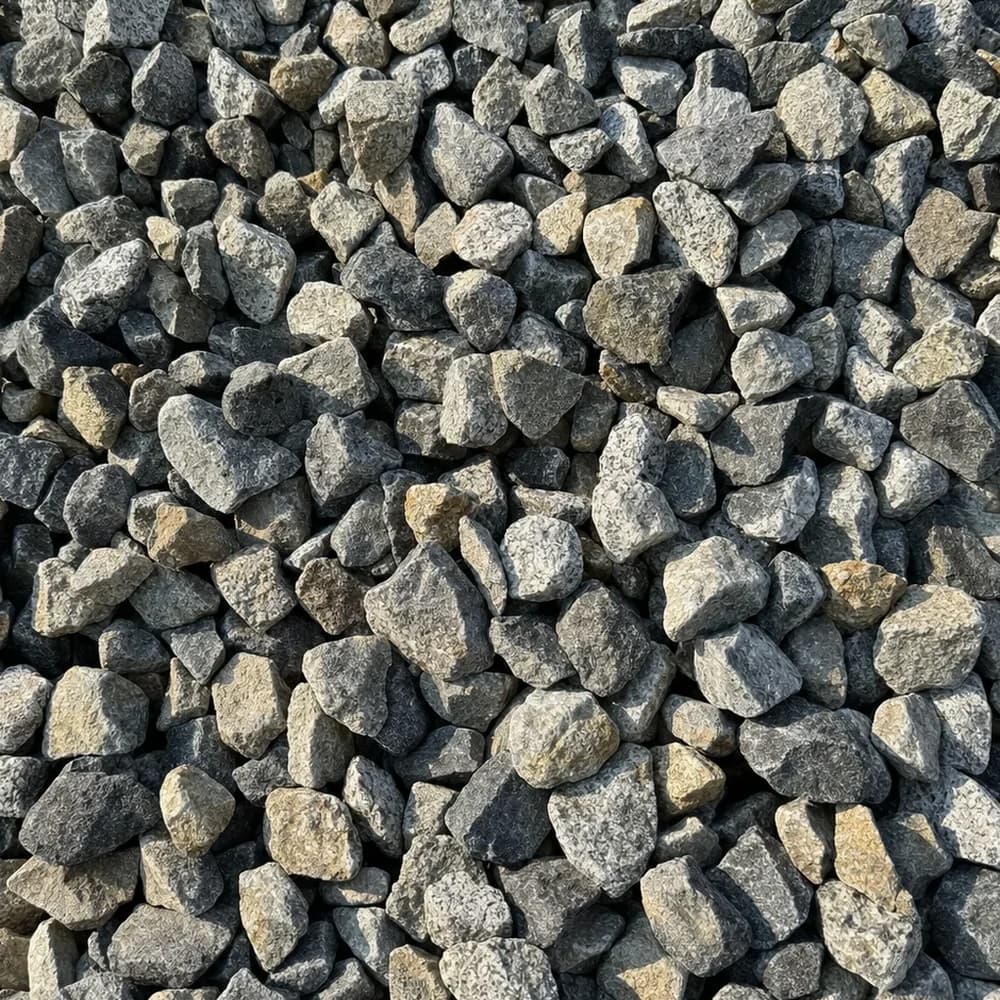
#67 Stone brings a clean, uniform finish to North Carolina beds and paths and provides crushed aggregate for drainage through Piedmont clay.
- Size: 1/4 inch to 3/4 inch
- Grading: #67
- Type: Angular crushed stone
From $463 for 1 ton, delivery included
Larger loads cost less per ton: 500 tons is $34,195 ($68.39 per ton). Pick any quantity below for a delivered price.
Free delivery included
Free delivery anywhere in North Carolina
Pick a delivery date
Weekday delivery, earliest Oct 20
Get a Free Quote
Fill out the form and our sales team will get back to you within the hour.
Size and Grading
- Size
- 1/4 inch to 3/4 inch
- Grading
- #67
- Type
- Angular crushed stone
Almost nobody arrives at this page wondering what washed stone is. They arrive holding a wall detail or a drain spec that says clean stone, having looked at two piles that appear identical, trying to work out whether the difference matters. It does, but not for the reason most people assume, and #67 stone usually wins that comparison on handling rather than on drainage.
#67 stone against #57: the gap behind the wall settles it
The listing is #67 Stone, sized a quarter inch to three-quarter inch, graded to the #67 designation, angular crushed stone. North Carolina specifies washed stone by number, which is why you see #57 and #67 called out on plans here rather than a descriptive name.
| #67 Stone | #57 Stone | |
|---|---|---|
| Size range | 1/4 to 3/4 inch | Around 3/16 to 1 inch |
| Fines | Washed out | Washed out |
| Suits | Tighter zones, pipe bedding, concrete mixes | Open trenches, driveway topping |
| Handling | Shovels and rakes easily, flows into gaps | Heavier per scoop, bridges narrow spaces |
Both drain freely, because both have had the fines rinsed out and the voids stay open. Where they part company is the size of the space you are filling. Behind a segmental wall, between a pipe and a trench wall, or around anything with a narrow gap, the smaller spread flows in and fills without bridging. In a wide open trench the larger stone is no harder to place and shifts a little less underfoot.
Step down again and you reach #8 Crushed Stone or #89 Crushed Stone, which are for joint work and tight bedding. Step up past #57 and you are into #4 Crushed Stone, which is a layer to build on rather than a stone to place by hand.
Water leaving a downspout onto red clay, and where the stone goes
A downspout discharging onto Piedmont clay is one of the most damaging small details on a house. Clay does not absorb what lands on it, so the water sheets outward, scours a hollow, then sits in that hollow beside the foundation.
A splash area built properly is a shallow excavation carried at least a few feet out from the wall, lined with geotextile, filled with washed stone and graded to fall away from the house. The stone takes the impact of the falling water and spreads it, and the open voids give the runoff somewhere to sit while it moves off. Nothing with fines in it belongs there, because the first heavy fall scours the fines out and leaves a pit.
The same logic runs a French drain. Perforated pipe in a fabric-lined trench, washed stone packed around and over it, with the fabric folded closed above the stone so silt from the clay cannot work its way in.
Backfilling a segmental wall from the drain pipe up
Walls fail because of water, not because of blocks. A drainage zone behind the wall gives that water a route out before it can push.
Set the drain pipe at the base of the wall, behind the bottom course, running out to daylight. Line the excavation and the back of the blocks with fabric. Backfill the zone behind the wall with washed stone as each course goes on, keeping the stone against the blocks, and bring it up in lifts that match the block heights rather than filling the whole height at once. Compact the soil behind the stone zone as you rise, not the stone itself. Cap the top of the drainage zone with fabric and then soil, so the stone is not left open to take silt from above.
On the Coastal Plain the same build applies with a different risk: sandy backfill migrates into open stone easily, so the fabric wrap matters even more.
A pond or shoreline edge is where 3/4 inch stone stops working
Worth stating plainly, because it gets ordered for this. Stone at this size is small enough to be moved by wave action, boat wash, and the flow that comes off a bank during the runoff of a tropical system. A lined edge built from it looks right for one season and redistributes itself down the bank after the first real storm.
Slope and shoreline work takes armor that is too heavy to move, which is what RipRap is listed for. Where the edge is decorative rather than structural and no real water crosses it, Large River Rock stays put and looks the part.
What the first year does to a clean stone bed
A clean stone bed does not settle the way a compacted layer does, because there is nothing to compact. What it does is shuffle. Individual pieces find their position in the first few weeks, surfaces drop a fraction of an inch, and edges spread slightly where nothing holds them.
The real first-year risk is silt. Clay-laden runoff entering an unwrapped bed carries particles into the voids, and once those voids close the stone has stopped being a drainage material. That is the whole argument for fabric on every face of a buried bed, and for making sure surface water is directed across the bed rather than into it. Where a bed is exposed at the surface, a light rake once a year keeps the face even and shows you whether anything has silted over.
Tons for a 30-foot wall drainage zone and a 5 by 6 splash pad
Two hypothetical jobs on the same back garden.
A segmental wall 30 feet long and 3 feet high, with a drainage zone 12 inches wide behind it:
- Zone: 30 x 1 x 3 = 90 cubic feet
- Cubic yards: 90 / 27 = 3.33
A downspout splash pad, 5 feet by 6 feet, at 4 inches:
- Area: 5 x 6 = 30 square feet
- Depth: 4 / 12 = 0.333 feet
- Volume: 30 x 0.333 = 10 cubic feet
- Cubic yards: 10 / 27 = 0.37
Together that is 3.7 cubic yards. This site publishes washed stone in the #57, #67 and three-quarter inch family at approximately 2,800 lb per cubic yard, or 1.40 tons per yard, so 3.7 x 1.40 works out at 5.2 tons. The stone calculator will take odd trench lengths and depths if your wall steps or curves.
Quantity and delivery date are set together on this page, with delivery arranged at checkout from your ZIP code. Washed stone wheelbarrows well but it is still heavy, so pick a drop point close to the trench and check what the truck needs for access before the load is booked.
Quickly Calculate How Much You Need
Material: #67 Stone
How to Measure
Measure the length and width of your project area in feet
Decide on depth in inches (2" for landscaping, 4" for driveways)
Enter the values above and we'll calculate the tonnage you need
Need help figuring out the right amount? We can help!
Call or text us at (919) 752-3797 and we'll help you calculate the right quantity for your project.
Not sure how much you need? The Stone Calculator has depth guides, coverage charts and worked examples for this material.
Frequently Asked Questions About #67 Stone
#67 Stone delivery across North Carolina
- Charlotte
- Raleigh
- Greensboro
- Durham
- Winston Salem
- Fayetteville
- Cary
- Wilmington
- High Point
- Concord
- Greenville
- Asheville