Piedmont, Coastal Plain or Mountains: How North Carolina's Three Regions Change Your Gravel, Stone and Soil Choices
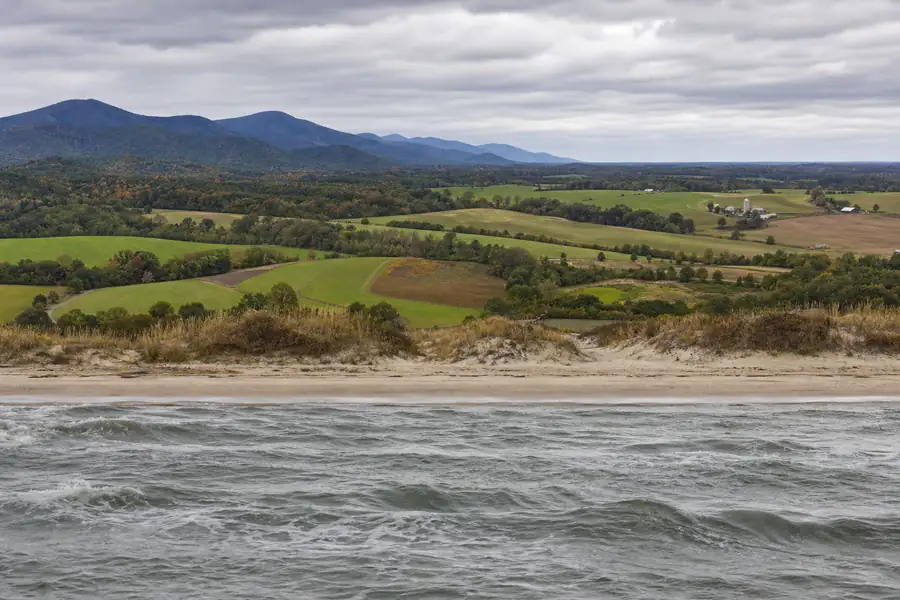
North Carolina isn't one landscape, it's three. The rocky Piedmont, the sandy Coastal Plain and the steep Blue Ridge Mountains sit on different bedrock, drain differently after a storm, and call for different gravel or stone on the same kind of job. Order material sized for Charlotte clay when you're building on sand near Wilmington, and you'll be filling ruts by spring.
Why North Carolina's Regions Change Your Soil and Landscaping Choices
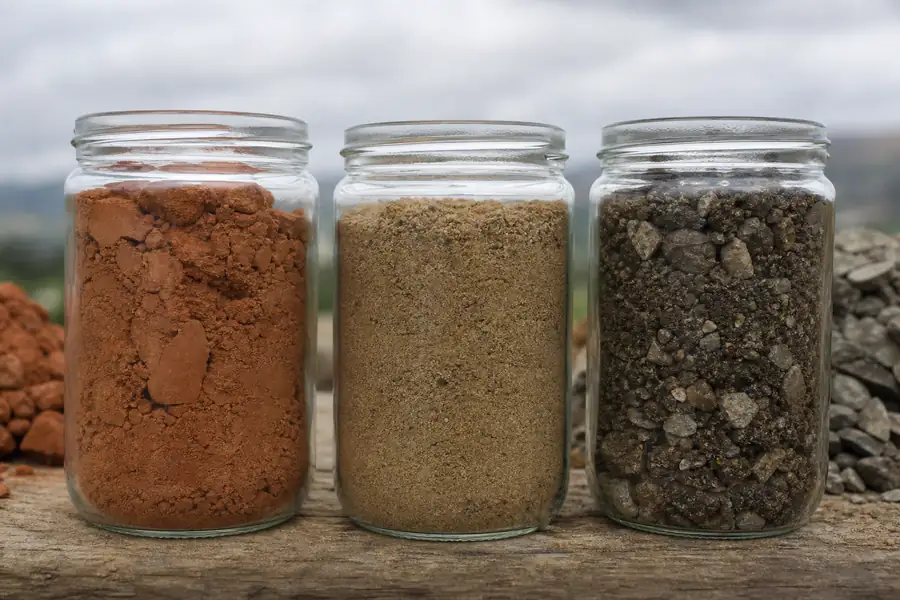
North Carolina's geology runs in three bands from the mountains to the coast, and each band produces different rock, soil and drainage problems. Piedmont quarries cut granite and gneiss, the same rock behind why NC gravel comes out gray in yards from Raleigh to Charlotte. Coastal Plain bedrock sits buried under sand and old marine limestone, so crushed stone for that side of the state travels farther and adds more freight than the same order in the Piedmont. Mountain quarries work quartzite and gneiss close to the surface, but delivery routes are steep and windows run tighter.
Frost depth is 12 inches statewide under NCDOT guidance, so footing depth barely changes by region. What changes is the soil under that footing: red clay in the Piedmont, loose sand on the coast, thin rocky soil in the mountains. Wherever you're building in North Carolina, match the material to the ground under it, not just the job on top.
Piedmont Region: Red Clay Soil and Landscaping Choices
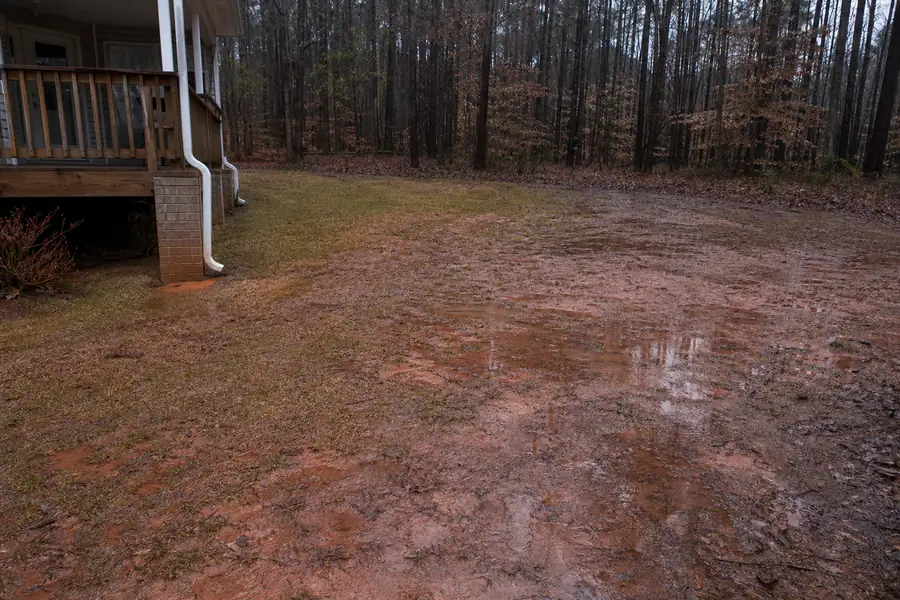
Piedmont soil is red clay over granite and gneiss bedrock, and it behaves like wet soap under a tire once saturated. Charlotte, Raleigh, Greensboro and Durham all sit in this band, and every driveway or patio job here fights the same problem: clay holds water instead of shedding it, then turns greasy under load.
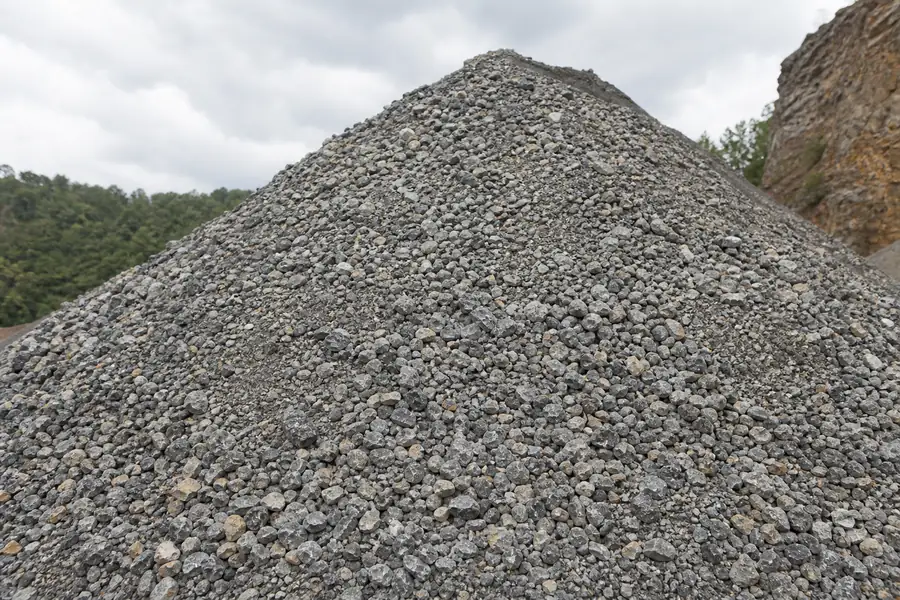
A Piedmont driveway usually starts with 4 to 6 inches of compacted road base, the crushed granite and gneiss blend most yards call ABC stone, tamped over the clay subgrade. Some contractors swap in crusher and run, a similar crushed stone and fines mix, for a subbase that locks up tighter under heavy vehicles. Either one beats a red clay skating rink after a week of Piedmont rain. Our breakdown of the best gravel for North Carolina driveways covers sizing for both.
Red clay's other headache is standing water around foundations and crawlspaces. A French drain or dry well backfilled with drain rock moves that water off the footing before it undermines it, and our guide to yard drainage in red clay soil covers pipe size and stone depth for a typical Piedmont lot. Rural Piedmont counties still run plenty of unpaved access, and those gravel farm roads take a heavier spec than a residential driveway.
Coastal Plain Region: Sandy Soil and Landscaping Needs
Coastal Plain soil is sand over old marine sediment, and it drains too fast rather than too slow. Wilmington, Fayetteville and the Outer Banks counties face the opposite problem from the Piedmont: loose ground that won't hold a driveway edge or a planting bed without help.
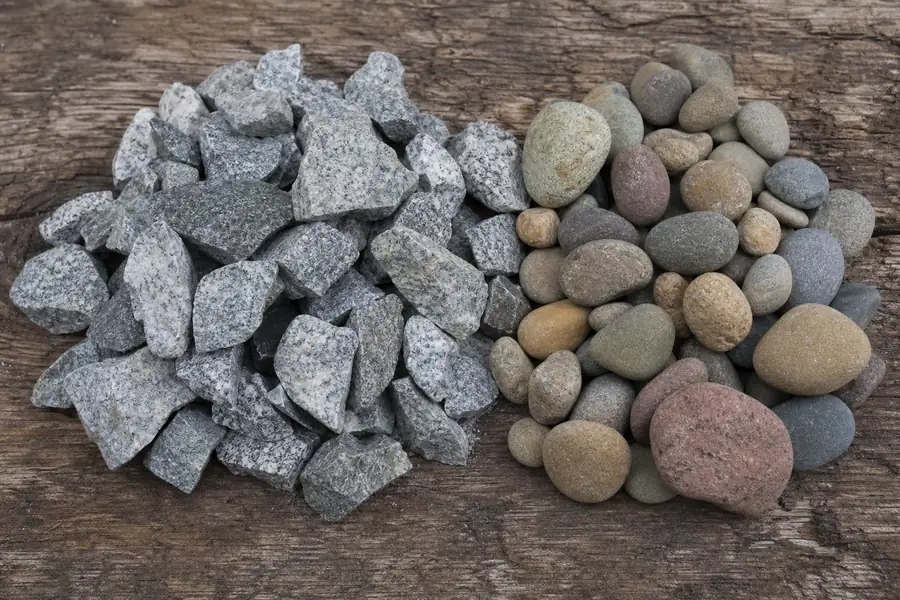
A gravel driveway on sand needs a binder, fine material worked into the surface layer so tires don't push loose stone sideways. Landscaping beds face a similar issue, since sandy soil drains too fast for most plants to hold moisture, which is why coastal yards lean on stone rather than mulch alone for borders and dry creek beds. River rock holds its place in a sandy bed without washing away the way lighter material can in a coastal storm. Our guide to coastal landscaping rock covers salt-tolerant, low-maintenance picks near the water, and the broader roundup of best landscape stone for North Carolina homes compares options by look and budget statewide.
Freight runs higher out here too. Crushed stone quarries sit inland, so eastern counties pay for more delivery distance than the same order placed in Charlotte or Raleigh.
Mountain Region: Rocky Soil and Steep Slope Landscaping
Mountain soil is thin and rocky, often just a few inches over quartzite or gneiss bedrock, and the real problem isn't the soil, it's the slope. Asheville and the surrounding Blue Ridge counties deal with grades that push water and loose stone downhill fast, especially after heavier mountain rainfall.
Driveways here need a coarser, angular base that locks together on a grade instead of washing out, a different spec than a flat Piedmont lot needs. Our guide to mountain driveway gravel covers the sizing that holds on western NC grades. Cut slopes and creek banks call for riprap, large angular stone heavy enough to stay put against runoff that would wash away smaller gravel in one storm.
County Index: Find Your Region in North Carolina
Not sure which region your county falls in? Check the lists below, then visit your county's page for local delivery details.
Piedmont Counties
- Alamance County
- Alexander County
- Anson County
- Cabarrus County
- Caswell County
- Catawba County
- Chatham County
- Cleveland County
- Davidson County
- Davie County
Coastal Plain Counties
- Beaufort County
- Bertie County
- Bladen County
- Brunswick County
- Camden County
- Carteret County
- Chowan County
- Columbus County
- Craven County
- Cumberland County
- Currituck County
- Dare County
- Duplin County
Mountain Counties
- Alleghany County
- Ashe County
- Avery County
- Buncombe County
- Burke County
- Caldwell County
- Cherokee County
- Clay County
FAQs
Does North Carolina soil really change that much by region?
Yes. Piedmont soil is red clay over granite and gneiss, Coastal Plain soil is sand over old marine sediment, and mountain soil is thin and rocky over quartzite and gneiss bedrock close to the surface. Each one drains, compacts and holds a driveway or planting bed differently, so material that works well in Charlotte can fail outside Wilmington or Asheville.
What gravel works best for red clay in the Piedmont?
A compacted base of road base (ABC stone) or crusher and run, run 4 to 6 inches deep, gives Piedmont red clay a stable surface that sheds water instead of holding it. Skipping the compacted base is the most common reason Piedmont driveways rut within a year.
Do coastal driveways need different gravel than inland ones?
Yes. Sandy Coastal Plain soil needs a binder worked into the surface layer so gravel doesn't shift under tires, while inland clay soils mainly need a well-compacted crushed stone base. Coastal landscaping beds also lean on heavier stone like river rock, since sand drains too fast to hold lighter material in place.
Does frost depth change across North Carolina's regions?
No. NCDOT guidance uses a 12 inch frost depth statewide, so footing depth stays consistent from the mountains to the coast. What changes region to region is the soil under that footing, which affects base thickness and drainage far more than frost does anywhere in North Carolina.
Which North Carolina region has the highest delivery costs for gravel and stone?
Coastal counties typically see higher freight costs since crushed stone quarries sit inland in the Piedmont and mountains, adding delivery distance for eastern orders. The same ton of stone that ships a short distance to Charlotte or Raleigh often travels much farther to reach Wilmington or the Outer Banks.