How to Stop a Gravel Driveway Washing Out During Heavy Rain (North Carolina Guide)
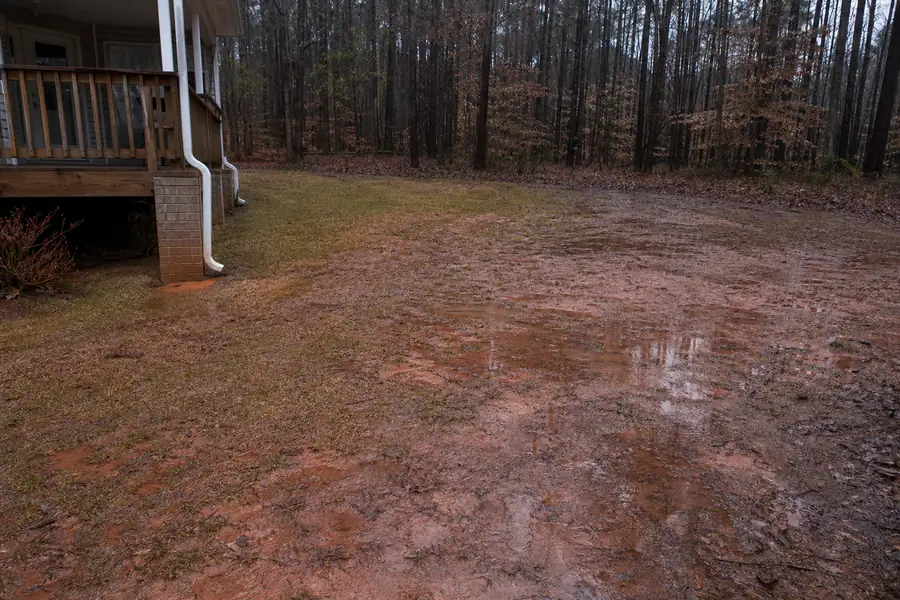
A gravel driveway washing out during a North Carolina storm almost always traces back to one of three causes: not enough crown, too thin a base, or water finding a low spot faster than it can drain. Piedmont red clay locks up under saturation and turns greasy underfoot, while mountain grades in the west turn a hard rain into a fire hose down the driveway. Fixing it starts with figuring out which one you're dealing with, then matching the material and grade to that cause instead of just dumping more stone on top.
Why Is a Gravel Driveway Washing Out?
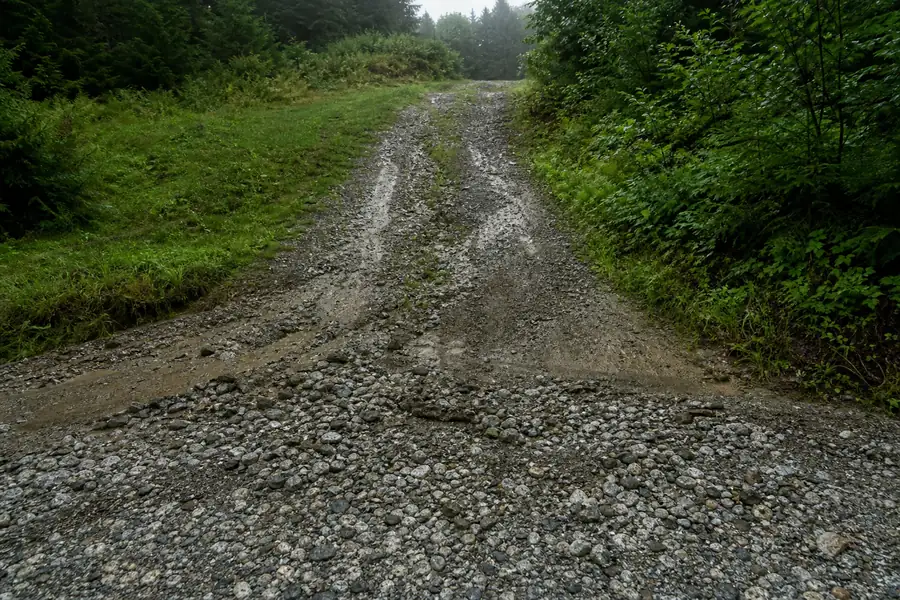
A gravel driveway washes out when water crosses it faster than the surface can shed it, and that comes down to one of four things: a flat or reversed crown, a base too thin to hold its shape, undersized drainage, or a steep grade with nothing to break up the water's speed. Walk the drive after the next rain and check for these signs.
- Ruts running straight down the slope instead of curving off to the side with the crown
- Standing water pooling in the middle of the drive rather than at the edges
- Loose gravel piled at the low end, in the yard, or in the roadside ditch
- Bare clay or subgrade showing through in the wheel tracks
- Washouts concentrated right below a culvert pipe or driveway crossing
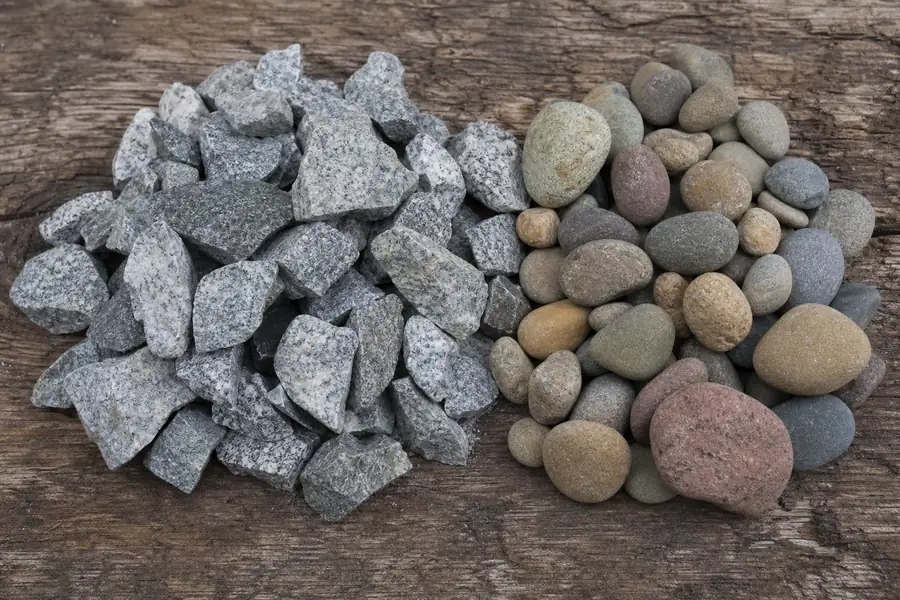
If the driveway was built with the wrong stone to begin with, thin gravel that never locked together under traffic is a common culprit; our guide to the best gravel for North Carolina driveways covers what actually holds up under Piedmont clay and mountain grades alike.
Cheap Fixes to Stop a Gravel Driveway Washing Out
Regrading and recrowning the existing surface is the cheapest fix, and it solves the problem for most flat-to-moderate driveways without buying a truckload of new stone. A proper crown pitches the surface 3 to 4 percent from center to edge so rain sheets off sideways instead of running down the middle in a channel.
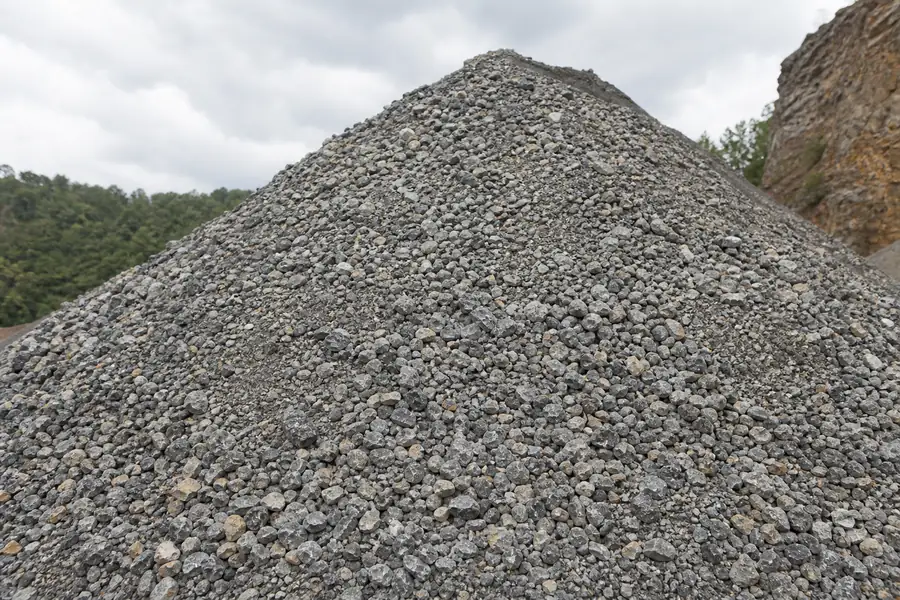
Once the crown is right, fill the worn ruts and low spots with crusher and run, sometimes called crush and run locally, and compact it in thin lifts. It locks together tighter than loose gravel because of the mix of stone sizes and fines, which is exactly what a rutted surface needs.
Staying on top of it after that matters more than people expect. Regular blading and topping up thin spots, laid out in our gravel driveway maintenance guide, keeps a minor wash from turning into a full rebuild two storms later. On drives that keep washing in the same spot despite regrading, gravel grids that lock stone cells in place can add mechanical hold without a full rebuild; whether gravel grids work depends on the grade and traffic, and that guide breaks down when they pay off.
Rebuilding the Base So a Gravel Driveway Stops Washing Out
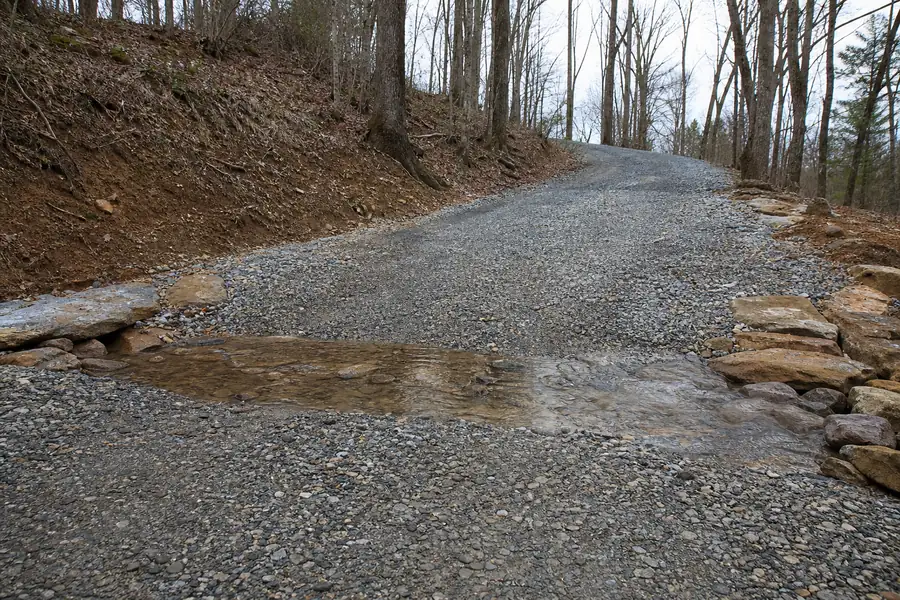
A driveway that keeps washing out in the same spot after regrading almost always has a base that's too thin, and rebuilding it fixes the problem at the root instead of patching the surface. On Piedmont red clay, base thickness does the work that frost depth does further north: the clay holds water and turns greasy under load, so a compacted base of ABC stone, our road base, needs to run 4 to 6 inches deep before the driveway gravel goes on top.
Skimping on that base is the single most common reason a rebuilt driveway washes out again within a year. The compacted layer is what keeps the clay from pumping up into the gravel and turning the whole surface to mud after a storm.
When a Gravel Driveway Washing Out Needs Culverts, Riprap, or a Drainage Fix
If regrading and a new base don't stop the washing, the water crossing your driveway needs somewhere better to go, and that usually means a culvert, an armored outlet, or a drain. Any pipe that carries water under or across a driveway in North Carolina generally needs a permit and a sized culvert, and our guide to NCDOT driveway permits and culverts walks through what that involves before you dig.
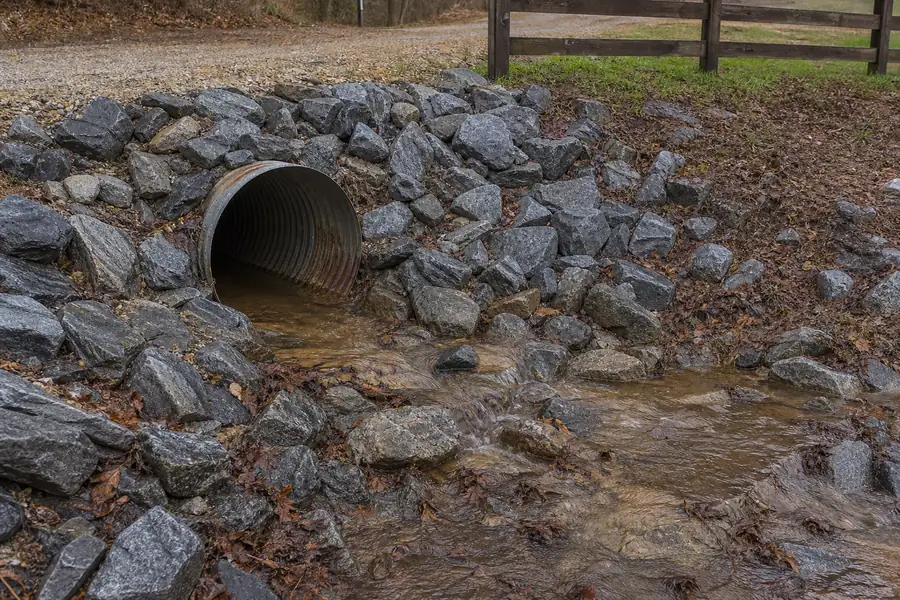
On Blue Ridge and foothill grades, storm runoff moves fast enough to strip gravel off a slope in one hard rain, and steeper mountain driveways need heavier stone and different spacing than a flat Piedmont lot; our piece on mountain driveway gravel in western NC covers the grade-specific fixes. Wherever water exits a culvert or ditch at speed, riprap armors that outlet so it doesn't scour a new channel every storm. Where the problem is water rising up through the driveway rather than running across it, a French drain backfilled with drain rock alongside the drive intercepts it before it reaches the surface.
Coastal plain and Piedmont drives both take a beating during tropical systems, and getting ditches and culverts clear before the rain arrives matters more than any fix made afterward. Our hurricane season driveway drainage prep guide covers the walkthrough to run every summer.
What to Order to Stop a Gravel Driveway Washing Out, by Cause
The right material depends entirely on which failure you're seeing, and ordering the wrong one for the job is why a lot of driveway fixes don't last past the next storm.
| Cause | Likely fix | Material to order |
|---|---|---|
| Flat or reversed crown | Regrade and recrown | Crusher run |
| Thin or failed base | Rebuild base 4-6 in deep | ABC stone (road base) |
| Standing water mid-drive | Add cross drain or swale | Drain rock |
| Fast runoff at culvert or ditch | Armor the outlet | Riprap |
| Fine mud pumping through gravel | Add open-graded drainage layer | 57 Stone, our 57 stone |
FAQs
How do I stop my gravel driveway from washing out in heavy rain?
Start by checking the crown, base depth, and where water exits the property, since a gravel driveway usually washes out from one of those three problems. A flat surface needs regrading, a thin surface needs a rebuilt base, and concentrated runoff needs a culvert or drain sized for the volume crossing it.
What is the best base for a driveway on a North Carolina slope?
A compacted 4 to 6 inch layer of ABC stone, also called road base, is the standard fix for most North Carolina driveways because it locks together under load and keeps clay from pumping up through the surface gravel. Steeper mountain grades often need a thicker base plus cross ties or check dams to slow water moving down the slope.
Do I need a permit for a culvert under my driveway?
Most North Carolina counties and NCDOT require a permit and a properly sized pipe anywhere a culvert carries water under a driveway that connects to a public road. Skipping the permit risks a fine and a pipe that's undersized for the storm volume it actually needs to handle.
How thick should gravel be on top of clay soil?
A driveway gravel surface layer typically runs 2 to 3 inches deep once it sits on a properly compacted 4 to 6 inch ABC stone base. Skipping the base and just piling gravel straight onto clay is the most common reason a driveway keeps washing out after every storm.
What stone stops erosion at a driveway culvert outlet?
Riprap, larger angular stone sized to the water's speed and volume, is what keeps a culvert outlet from scouring a new channel every time it rains hard. Smaller stone or plain gravel gets pushed out fast at culvert outlets because it can't resist the velocity of concentrated runoff.