Bulk Landscape Materials, Sorted by What the Ground Is Doing
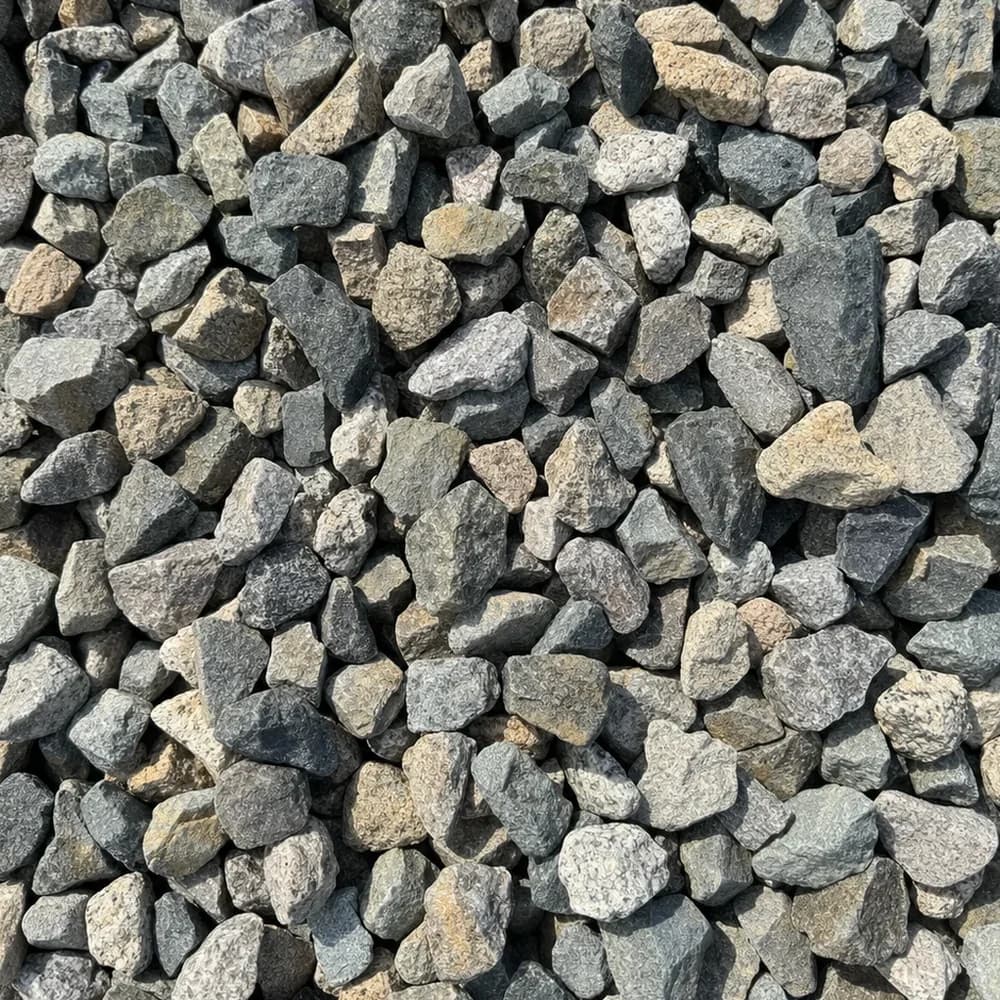
3/4" Crushed Stone
Putting stone straight onto wet red clay can lead to movement. 3/4" Crushed Stone gives North Carolina projects angular support and drainage. Size: Approximately 3/4 inch. Type: Angular crushed stone.
Free Delivery
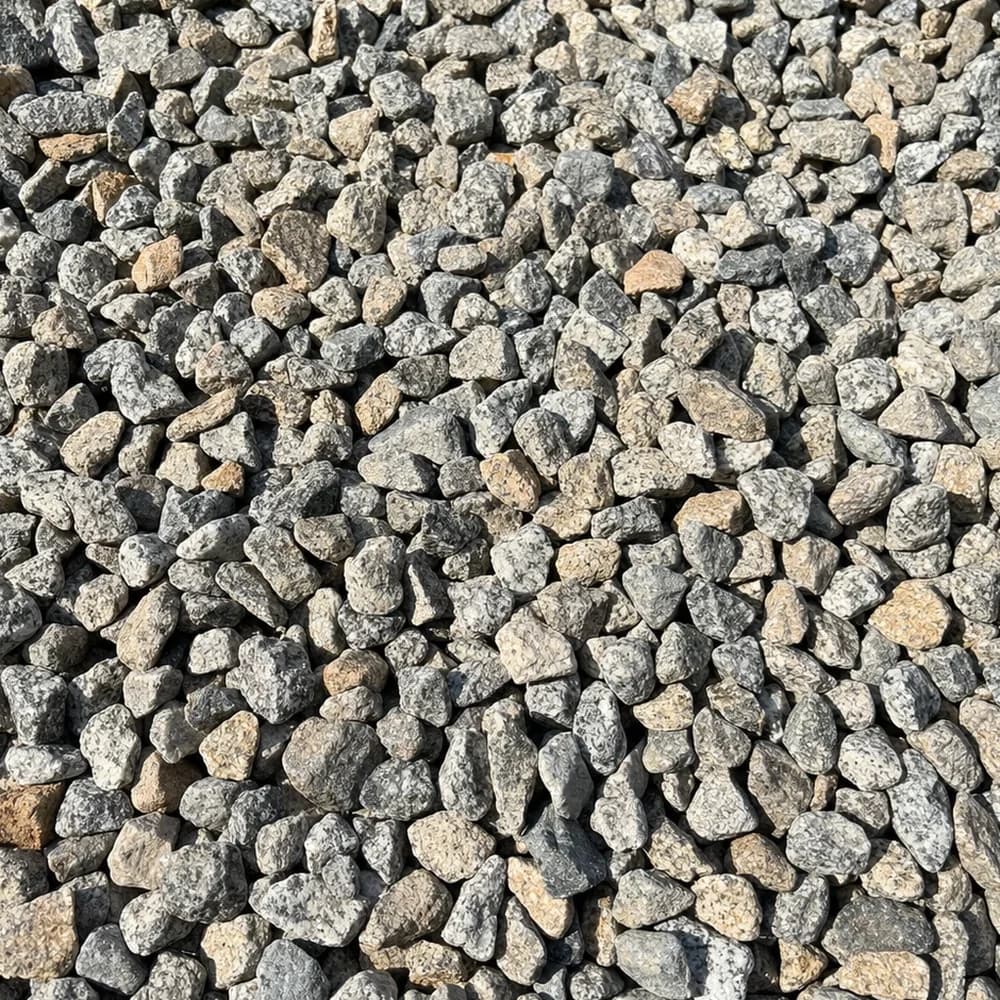
3/8" Crushed Stone
For a North Carolina Piedmont garden path, 3/8" Crushed Stone provides a smooth, compacted surface that stays comfortable underfoot. Size: Approximately 3/8 inch. Type: Angular crushed stone.
Free Delivery
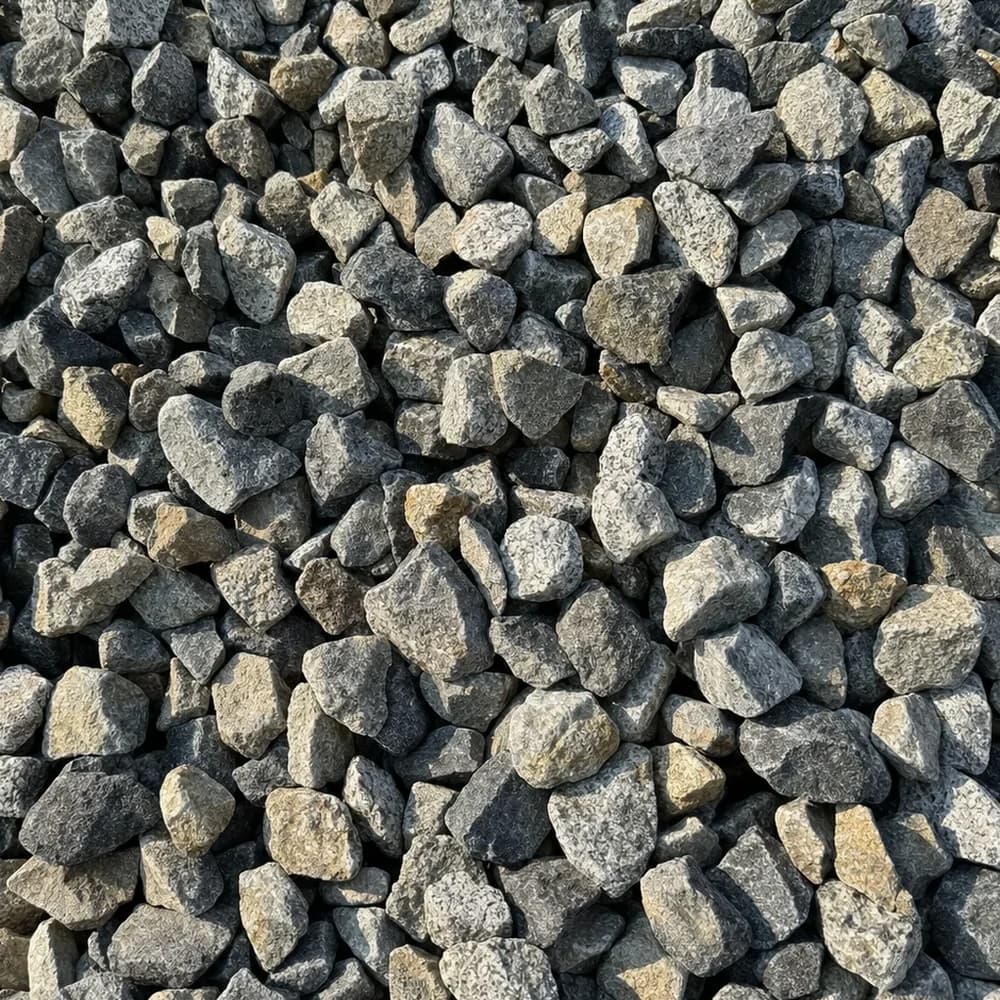
#57 Stone
A drain set into Piedmont clay needs room for water to move. #57 Stone is a practical aggregate for North Carolina drainage and concrete work. Size: 3/16 inch to 1 inch. Grading: #57. Type: Angular crushed rock.
Free Delivery
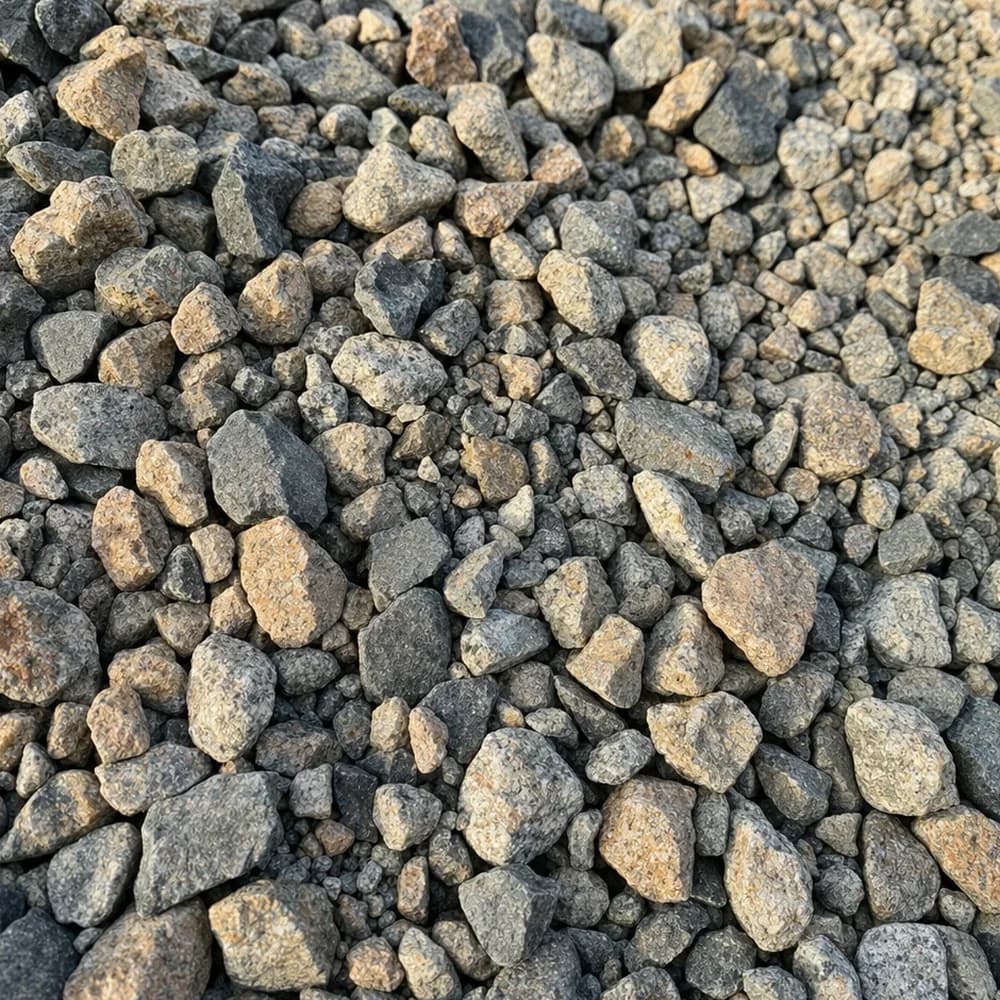
#67 Stone
#67 Stone brings a clean, uniform finish to North Carolina beds and paths and provides crushed aggregate for drainage through Piedmont clay. Size: 1/4 inch to 3/4 inch. Grading: #67. Type: Angular crushed stone.
Free Delivery
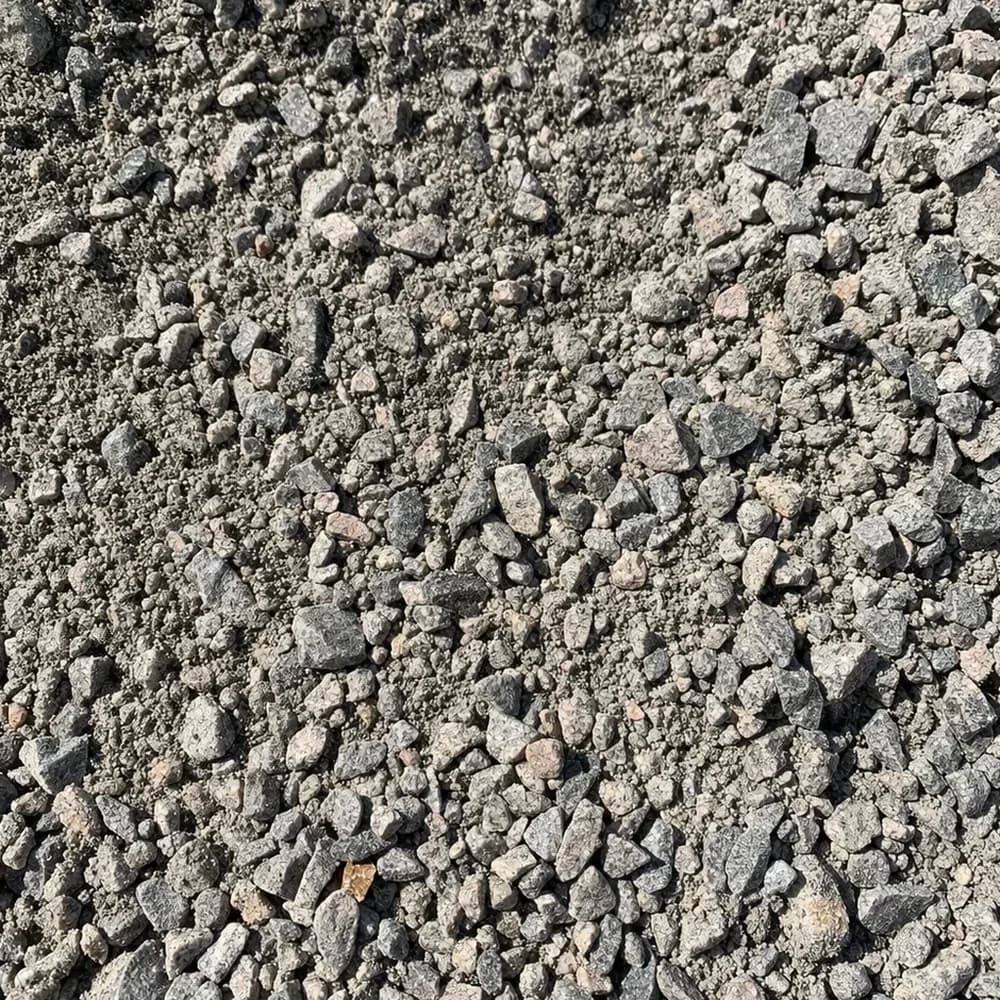
Screenings
Screenings belong at the finish stage of a North Carolina hardscape base, where they create a smooth, firm bed for pavers or flagstone. Size: 1/4 inch minus. Grading: Stone dust and fine particles. Type: Angular crushed stone.
Free Delivery
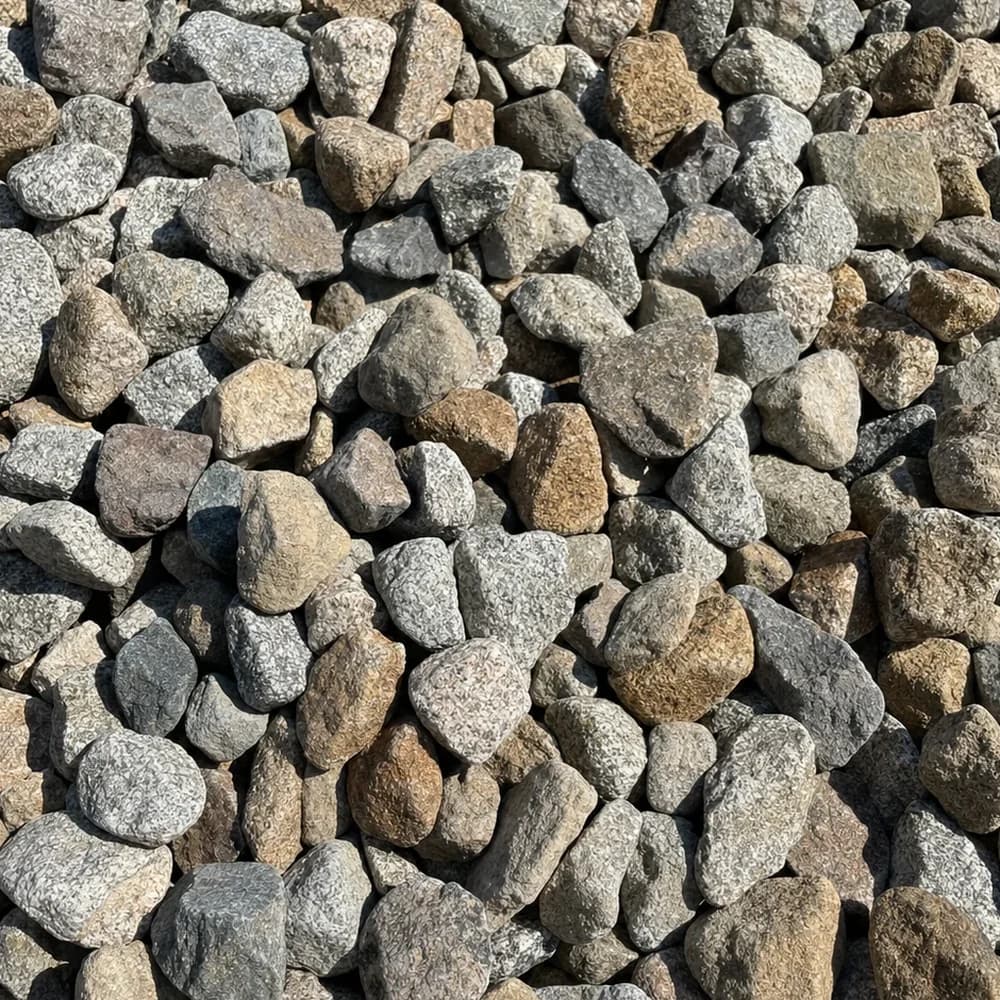
Drain Rock
For North Carolina drainage through Piedmont clay, Drain Rock goes where a French drain or wall needs an open water path. Size: 3/4 inch to 1-1/2 inch. Grading: Washed to remove fines and dust. Type: Rounded or angular varieties.
Free Delivery
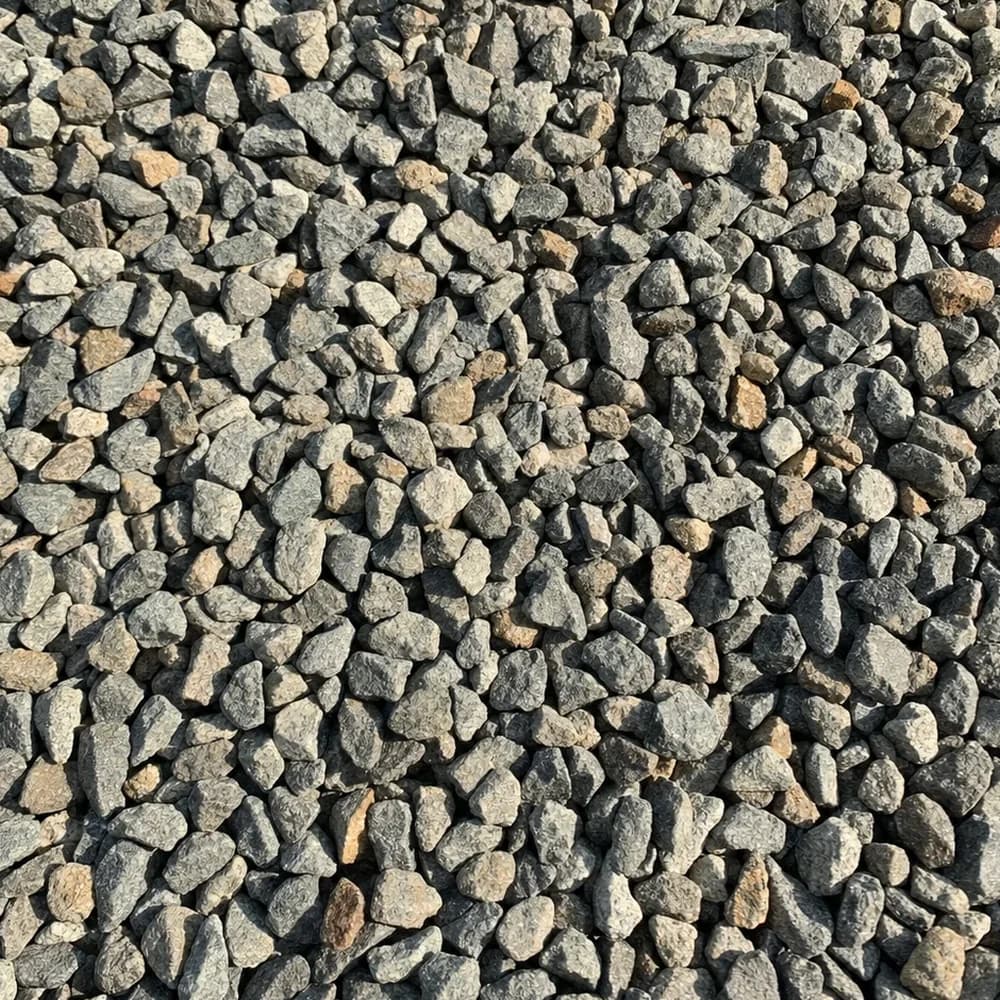
#89 Crushed Stone
#89 Crushed Stone keeps a tight, compacted finish in North Carolina paver joints, flagstone beds, chip-seal surfaces, and concrete mixes. Size: About 3/8 inch down to fines. Grading: #89, carries some fines. Type: Angular crushed stone.
Free Delivery
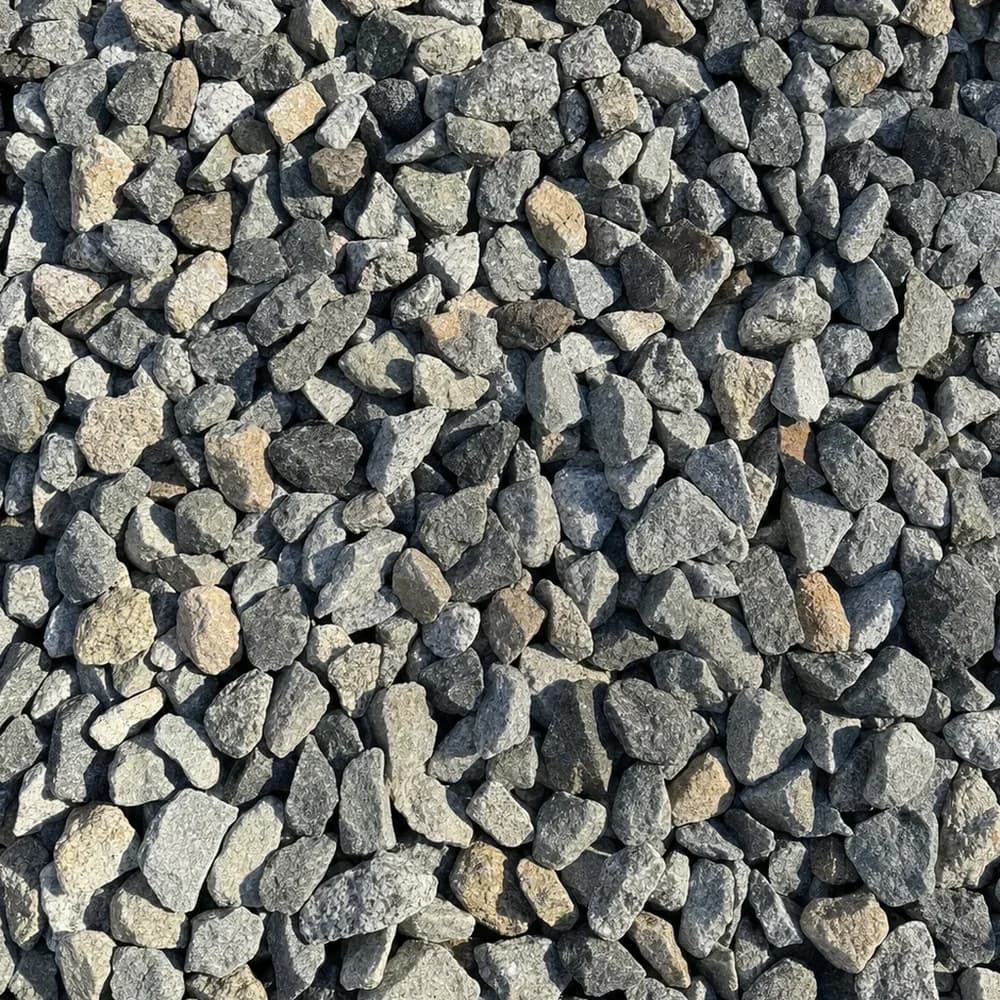
#8 Crushed Stone
#8 Crushed Stone helps North Carolina projects move water through red clay while providing clean aggregate for pavers and concrete mixes. Size: About 3/32 inch to 3/8 inch. Grading: #8, clean with little to no fines. Type: Crushed stone.
Free Delivery
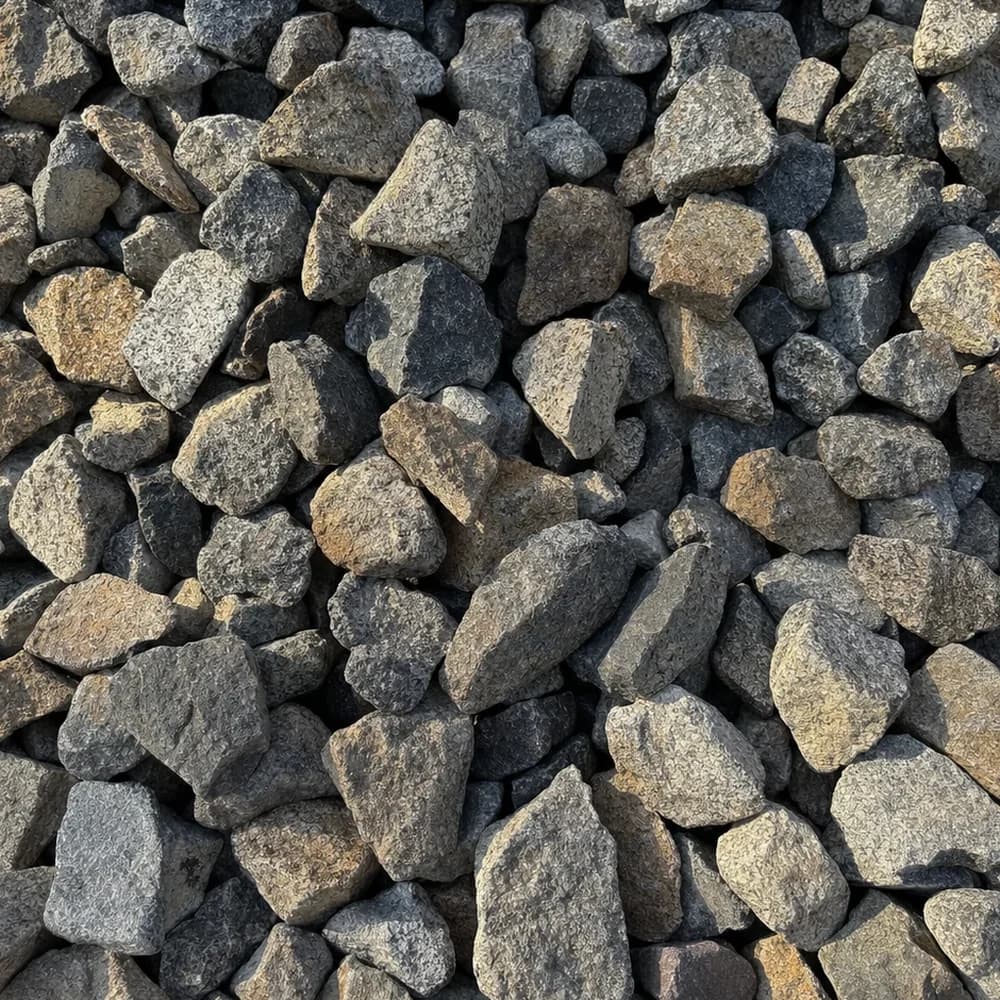
#4 Crushed Stone
Choosing #4 Crushed Stone as the finish for a red-clay drive is a common mistake; in North Carolina, it belongs lower in a drainage-focused build. Size: About 3/4 inch to 1-1/2 inches. Grading: #4. Type: Angular crushed stone.
Free Delivery
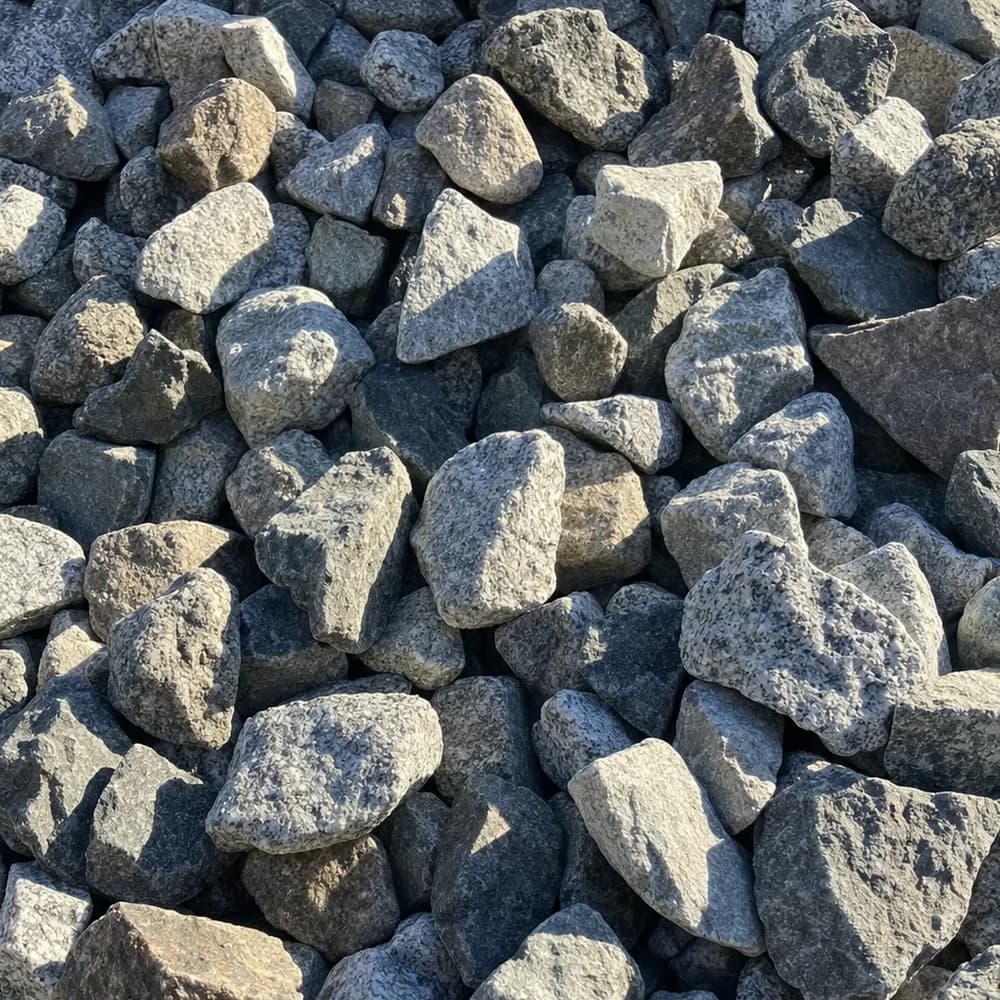
Railroad Ballast
Railroad Ballast keeps an open, angular stone surface under heavy use in North Carolina pads and access routes, rather than forming a fine compacted finish. Size: Roughly 1 inch to 2.5 inches. Grading: Graded to interlock under load while draining freely. Type: Large angular crushed stone.
Free Delivery
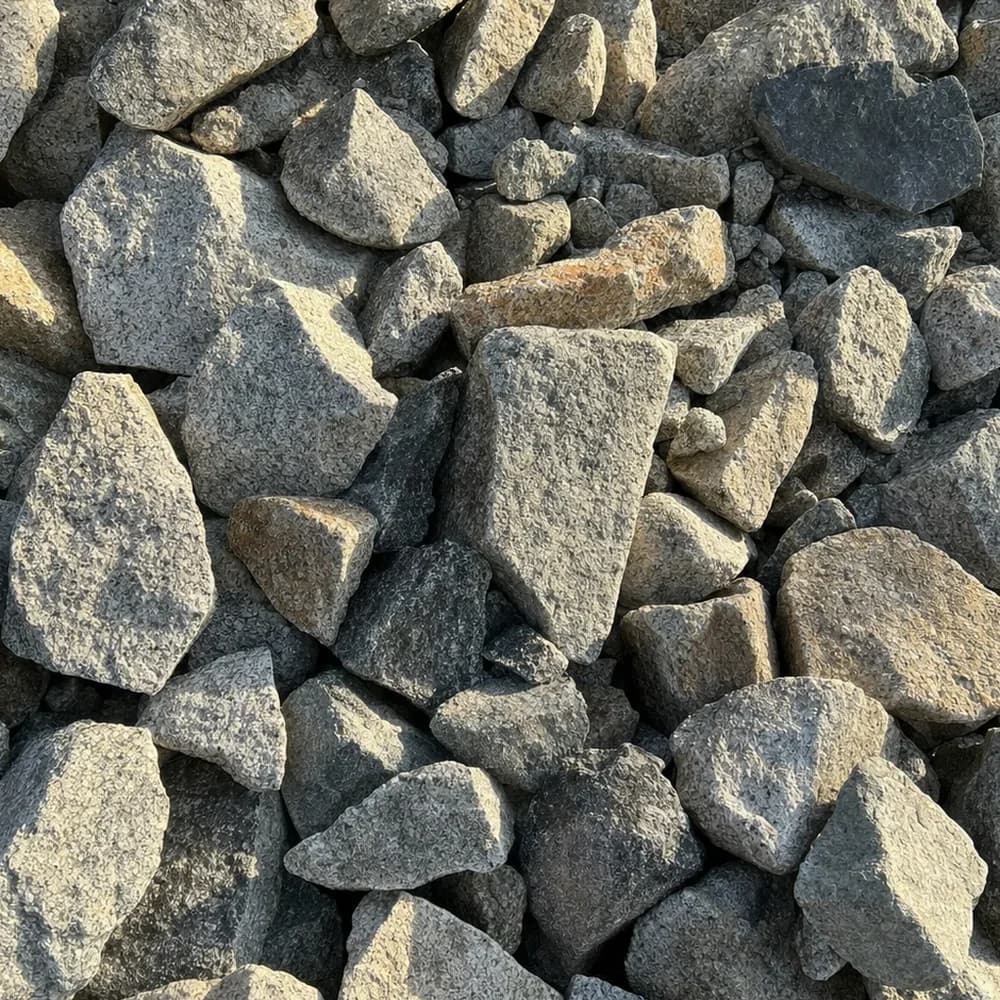
RipRap
For North Carolina erosion work, RipRap goes where runoff first starts cutting soil. Its heavy stone protects slopes, channels, banks, and culvert outlets. Size: 4 inches to 12 inches and up. Type: Large, heavy stone.
Free Delivery
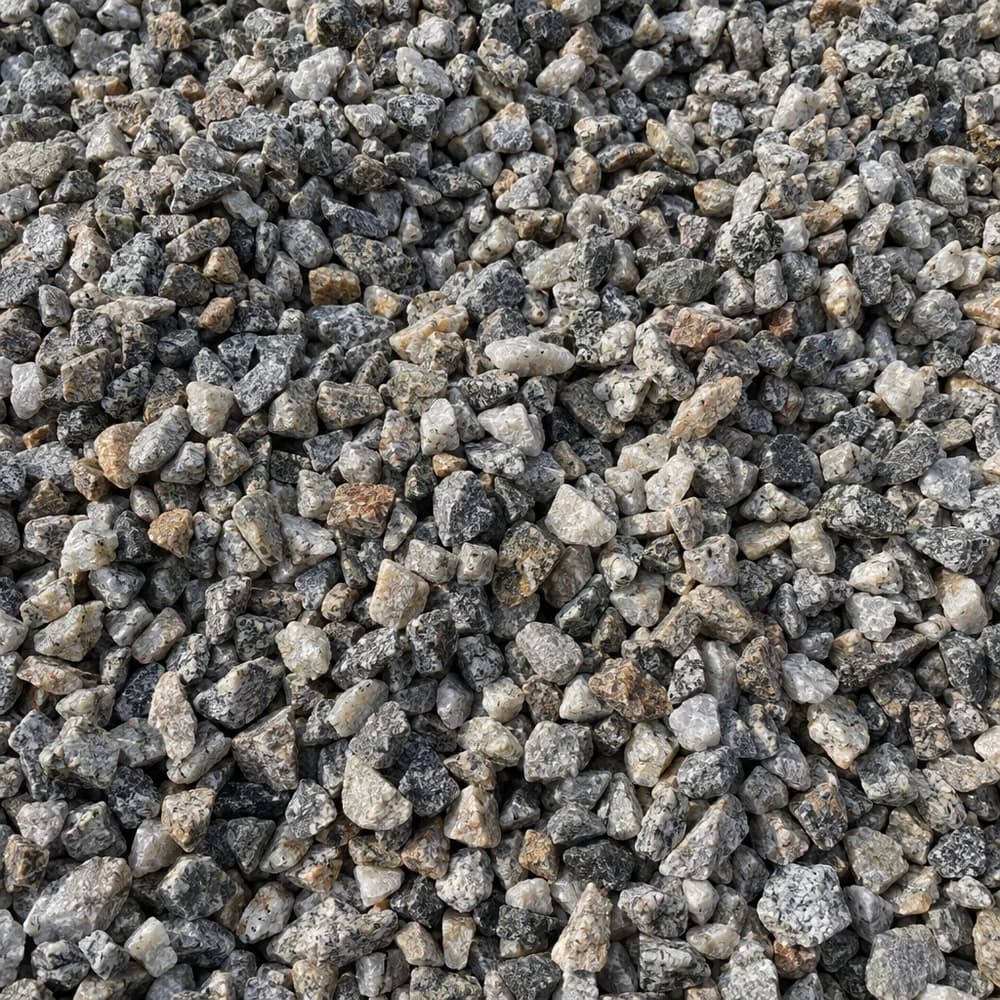
#78 Crushed Stone
Set #78 Crushed Stone where North Carolina builds need a free-draining layer, especially around pavers, walks, and drainage lines. Size: About 1/8 inch to 1/2 inch. Grading: #78, washed with little to no fines. Type: Angular crushed stone. Supplied as: #78 or the closest local equivalent; we confirm the exact material before delivery.
Free Delivery
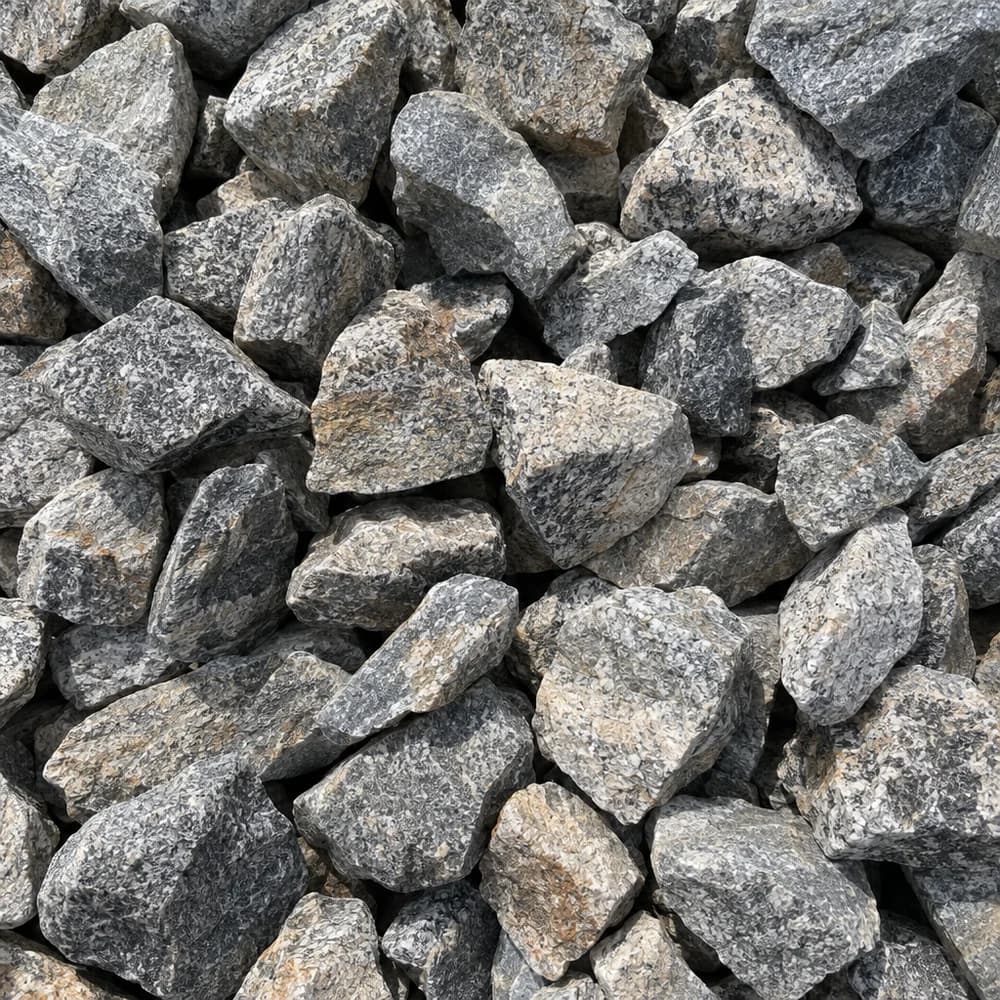
#2 Crushed Stone
For a North Carolina Piedmont drainage run, #2 Crushed Stone leaves open spaces for water where red clay tends to hold it near the surface. Size: About 1-1/2 inches to 2-1/2 inches. Grading: #2, washed with no fines. Type: Large angular crushed stone. Supplied as: #2 or the closest local equivalent; we confirm the exact material before delivery.
Free Delivery
Almost every choice in this catalogue comes back to one question: is the ground holding water or shedding it. Piedmont red clay holds it, so the work goes into a compacted layer and a route for the water to leave. Coastal Plain sand sheds it and offers nothing to bind, so the binding has to come out of the stone. Sort the catalogue that way and it stops being a grid of names.
If wheels are going to cross it
Base material here is a graded blend carrying fines, which is what lets it lock together under compaction.
- ABC Stone, one inch minus, the default under drives, pads and turnarounds.
- Crush and Run, three-quarter inch minus, the same idea finishing tighter under a patio or a small pad.
- Driveway Gravel at three-quarter inch, for surfacing over a base that is already compacted.
- Railroad Ballast, one to two and a half inches, where a hard standing has to stay open and drain under heavy use.
If water has to get through it rather than off it
Washed stone is specified by number in this state, and the fines are gone, which is the whole point.
- #57 Stone, 3/16 to 1 inch, for French drains, trench bottoms and concrete.
- #67 Stone, a quarter to three-quarter inch, the same job at a tighter size.
- 3/4" Crushed Stone for angular support with drainage.
- Drain Rock, three-quarter to one and a half inch, washed, for drywells, downspout runs and wall backfill.
- #4 Crushed Stone, 3/4 to 1-1/2 inches, for construction entrances and a coarse first lift over soft clay.
- #8 Crushed Stone and #89 Crushed Stone at the small end, for joints, bedding and mixes.
If the storm took the bank or the outfall with it
Runoff on clay slopes, stream banks and shoreline after tropical weather is the erosion story here.
- RipRap, four to twelve inches and up, for slopes, channels, banks and culvert outlets.
- Large River Rock, two to four inches, where a dry creek has to look deliberate as well as carry water.
If it is walked on rather than driven on
- Walkway Gravel at three-eighths inch over a prepared base.
- 3/8" Crushed Stone for a firm, compacted path surface.
- 3/8" Natural Pea Gravel, rounded and comfortable underfoot, for play areas and seating.
- Screenings, quarter inch minus, the bedding layer under pavers and flagstone.
- River Rock, one to three inches, for bed cover and borders that hold their shape season to season.
If it has to be bedded, jointed or mixed
- Mason Sand, ultra-fine and washed, for mortar, paver joints and play sand.
- Washed Sand, coarse and washed, for leveling, trench backfill and mixes.
If something has to grow in it, or the grade is wrong
- Fill Dirt for the structural work of raising a low corner before anything else goes on.
- Top Soil, screened, for the lawn layer over clay that will otherwise grow grass badly.
- Garden Soil, compost enriched, for beds, vegetables and raised planters.
- Shredded Mulch, hardwood, two to four inches deep in beds and tree rings.
Every listing carries its size and grading, and the calculators turn a measured area into tons before you commit to a quantity. How a load is delivered covers access and the drop spot.
Common questions
My figure sits between two tonnages. Do I round up or down?
Round up on anything that gets compacted, because a base that finishes short has to be reopened. Round down on decorative stone, which is easy to top up later. The allowance the calculators add by default for compaction and spillage, five percent or ten percent on dirt, crusher run, road base and paver base, covers most of the difference by itself.
Which of these listings is what a plan sheet calls aggregate base course?
ABC Stone. NCDOT specifies base material as Aggregate Base Course and ABC is the everyday shorthand, so the name is what a plan sheet writes rather than an approval this storefront holds. The listing carries the size and grading, so an engineered spec can be checked against it line by line.
Does it matter what time of year I put the material down?
More than the month, it is the state of the subgrade. Clay that is still saturated after a long wet spell will not compact, and in the mountain counties a hard freeze causes the same problem from the other direction. Bed work and decorative stone are far less fussy.
My patio is an L shape. How do I get a quantity for it?
Split it into rectangles that do not overlap, measure each in feet, and use the multiple-areas option, which takes up to five. The volumes add together before the tonnage is worked out, so nothing has to be converted twice.